
Art as the New Currency of Sales in the Age of Attention and Emotion
In a world where brands compete for attention, some increase their advertising budgets. Others lower their prices. But there is a third path: becoming a cultural medium. And this is the path chosen by brands that think strategically.
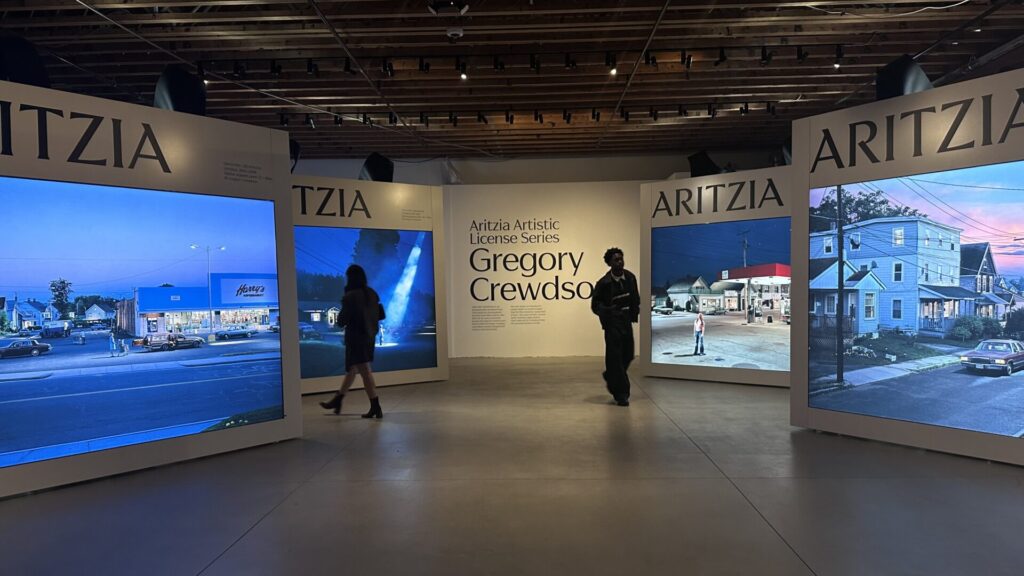
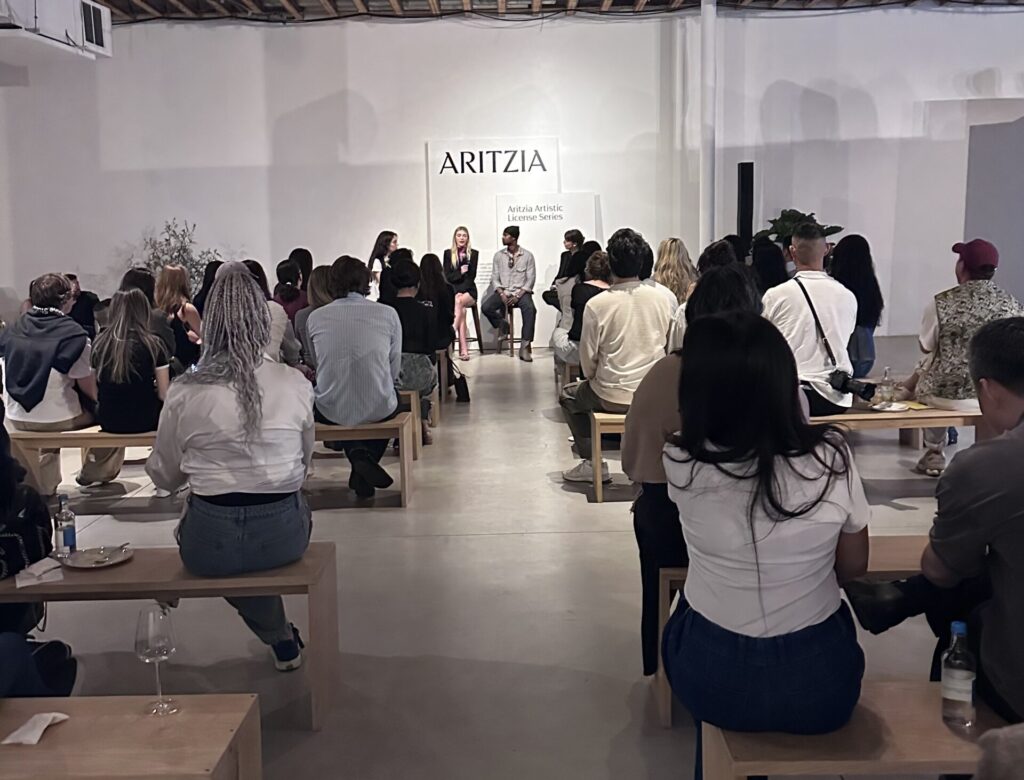
At the Artistic License Series event, Aritzia made an unexpected move it stepped away from direct selling and shifted toward conversation. A conversation about the artist’s process, about doubt, about vulnerability, about searching. This is no longer marketing. This is working with cultural context. The brand begins to act not as a seller, but as a curator of meaning.
What is happening with Aritzia is a transition from a retail company to a cultural ecosystem. The brand creates a space where artists discuss process, where vulnerability becomes part of the dialogue, where the audience becomes a participant, and where fashion stops being just clothing. This matters because the modern consumer no longer buys a product. They buy meaning. Art becomes a tool for creating that meaning.
Art works deeper than advertising. When a brand uses artistic context, it evokes aesthetic experience, builds an intellectual environment around the product, creates emotional attachment, and increases trust. Aesthetic experience activates the brain’s reward system, and the product begins to be associated not just with functionality, but with cultural emotion. This is neuroaesthetics in action.
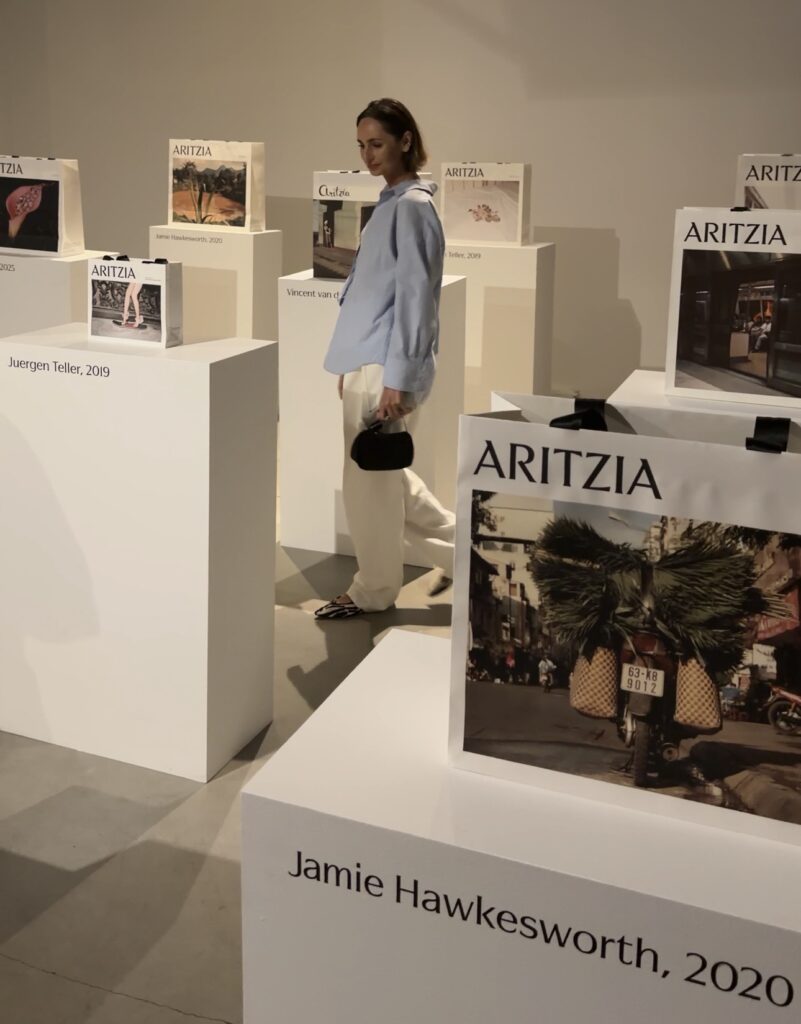
In Aritzia’s strategy, art appears at multiple touchpoints: on shopping bags, in store design, in digital communication, in artist talks, and in collaborations. This is not decoration. It is the formation of the audience’s aesthetic intelligence. When someone leaves a store carrying a bag featuring artwork, an important shift occurs: they become a carrier of culture. At that moment, the product becomes a symbol.
During the discussion, a theme emerged that rarely appears in branding the vulnerability of the artist. They spoke about the pressure of art education, expensive MFA programs, the need to “unlearn” after institutions, and the permission to create bad work. This kind of conversation builds trust because the brand does not present a perfect image it shows process. And process always includes doubt, searching, internal conflict, and growth. This is what makes a brand human.
Aritzia does not rely on loud advertising gestures. It works through details: art on bags, intimate conversations, visual collaborations, artist talks, and cultural panels. These micro-actions create large cultural scale. This is how long-term influence is built.
Today, the winning brand is not the one that advertises the loudest, but the one that shapes a cultural environment around itself. Art helps business create emotional depth, build audience identity, increase product value, move away from price competition, and become part of cultural dialogue. At that moment, the product stops being just a commodity. It becomes a carrier of meaning.
Why does business need art? Because in the new economy, people do not buy things they buy cultural belonging. Art makes a brand more intellectual, more emotional, more trustworthy, and more influential. That is why more companies are working with artists. Not for aesthetics. For influence.
Today, business is no longer competing only for market share. It is competing for culture. And the one who shapes culture ultimately shapes sales.