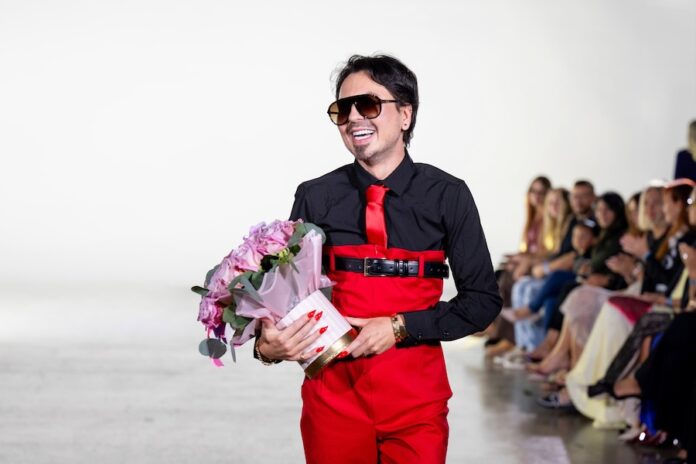
Move over, fashion establishment — there’s a new provocateur in town, and he’s not asking for permission.
In the beauty and fashion industries, figures who think not in terms of services or collections, but in terms of the human image as a whole, are rare. Artem Drevelman is one of those rare visionaries — and if the whispers in fashion circles are to be believed, we might be witnessing the emergence of this generation’s Jean Paul Gaultier. In Russia, he is known as a celebrity stylist and colorist; internationally, as Arty Drevelman — fashion designer and founder of the DrevelmaN brand. His journey is a story of how beauty becomes the foundation of fashion, and outward appearance transforms into a form of inner expression.
Early Steps and Working with a Mass Audience: Where Bold Beginnings Are Made
From the very beginning of his career, Artem Drevelman operated on a scale rarely accessible to emerging professionals — and he did it with an audacity that would become his signature. In 2005, he became an expert on one of the largest television projects of its time — “The Club of Ex-Wives”, where he worked for two consecutive years.
Within the project, Drevelman was responsible for complete image transformations of the heroines — from the visual concept to the selection of ready-to-wear clothing. It was an early yet defining experience: working not with abstract fashion, but with real women, their personal histories, fears, and new points of strength. It was here that his signature approach took shape — image as a tool for inner reset, not merely external decoration. Even then, insiders noticed something different about his work: where others played it safe, Drevelman pushed boundaries.
Television gave him something essential: an understanding of how visual language works with a wide audience, and how fashion and beauty can transform self-perception here and now.
Beauty as a Way of Thinking — With an Edge That Cuts
Drevelman’s professional path continued in the beauty industry, where for over 20 years he built a reputation as a specialist who works not with trends, but with personality. His approach to coloring and image consistently went beyond the conventional: hair color, hairstyle, and brow line were treated as facial architecture, capable of altering a person’s inner state.
The opening of Drevelman Concept in Moscow became a logical evolution of this philosophy. The space was conceived not as a traditional beauty salon, but as an image laboratory. Its interior — where rococo collides with street art — visually embodies Drevelman’s core principle: true beauty is born from contrast — tenderness and strength, classicism and provocation. It’s the kind of fearless aesthetic fusion that made Gaultier a household name, and Drevelman is wielding it with equal conviction.
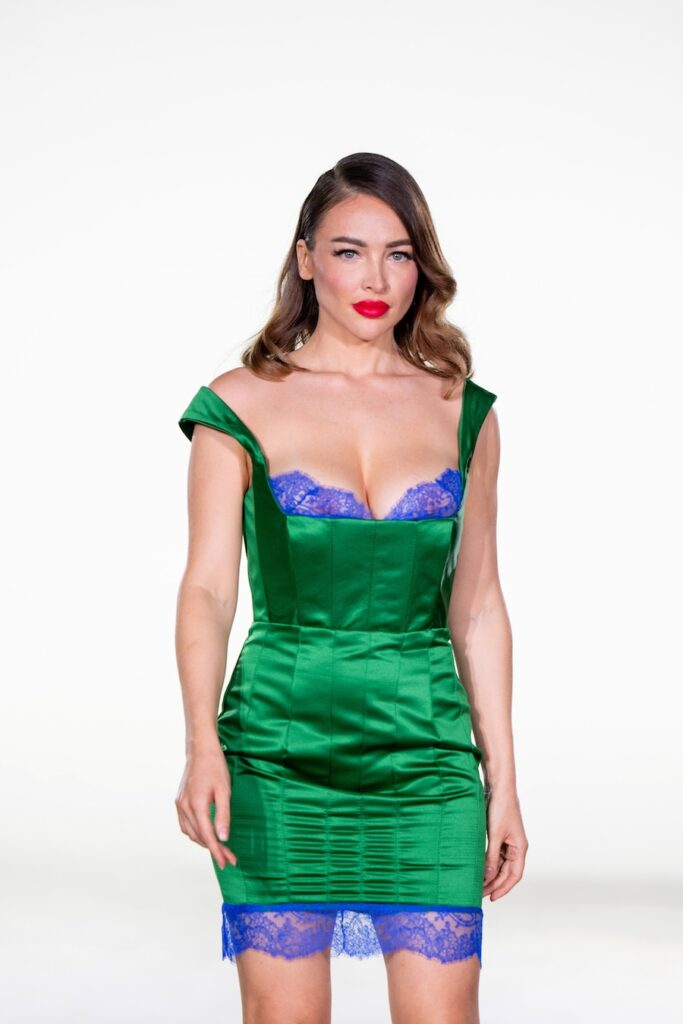
DrevelmaN: A Project Ahead of Its Time — Too Hot for Moscow?
Here’s where the story gets interesting. Few people know that the fashion project DrevelmaN was launched by Artem 12 years ago in Moscow, Russia. At the time, it was a genuinely bold move — some might say recklessly bold. The brand’s aesthetic — sensual, sharply silhouette-driven, at times daring — stood in stark contrast to the market demands of that period. The audience was not ready for clothing that did not seek to decorate, but to declare; that did not soften, but amplify.
Sound familiar? It should. This is precisely the kind of creative defiance that defined Jean Paul Gaultier’s early career — the refusal to conform, the celebration of provocative femininity, the insistence that fashion should challenge rather than comfort.
From the outset, DrevelmaN was conceived not as a commercial label, but as a visual manifesto. Artem intuitively explored themes of feminine power, unapologetic sexuality, and inner dignity — ideas that, at the time, felt almost too daring. The project was designed “for growth”: an aesthetic ahead of its moment that would later find its time — on the international stage. And find it, it has.
The Drevelman Texture: Tactile Rebellion
What sets Drevelman apart from the sea of “emerging designers” flooding Instagram feeds? Texture. Fabric. The sheer audacity of touch.
His work isn’t just seen — it’s felt. There’s an aggressive sensuality to DrevelmaN pieces that refuses to apologize. The fabrics don’t merely drape; they confront. They challenge the wearer to rise to their potential. This is fashion with teeth, beauty with backbone.
Like Gaultier before him, Drevelman understands that truly transformative fashion exists in the space between comfort and confrontation. His materials don’t whisper — they make statements. Silk that moves like liquid metal. Constructions that sculpt without constraining. It’s the kind of tactile storytelling that separates artists from mere dressmakers.
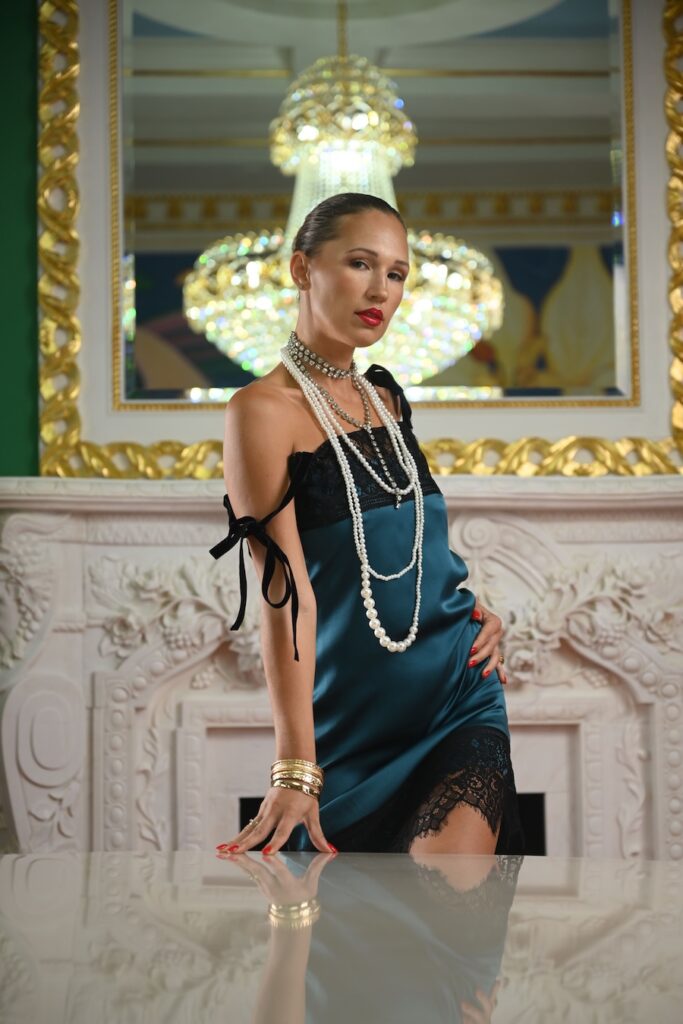
Clothing as an Extension of the Body — Unapologetically
Today, DrevelmaN is a luxury fashion brand where each piece is constructed with near-jewelry precision. At the core are silhouette and tactility — and an unmistakable attitude.
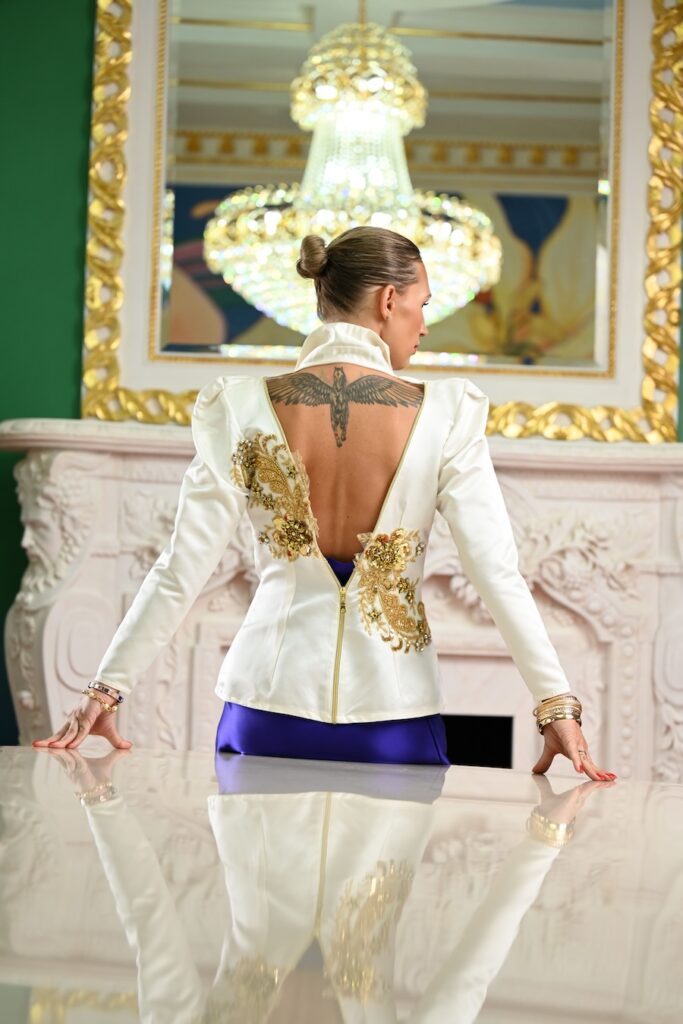
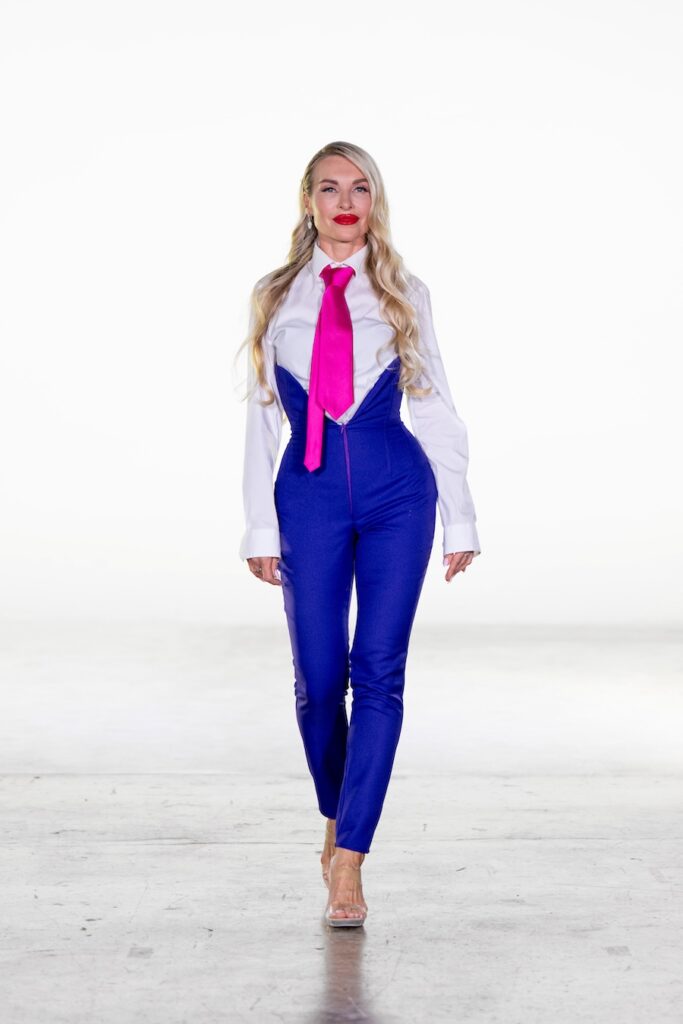
Fluid silk dresses softly envelop the body, accentuating shoulders, waist, and hips without depriving the look of air. Corset constructions do not appear aggressive — instead, they gather the figure, shaping posture and inner confidence. Mini dresses balance fragility with authority, while elongated silhouettes work with movement, creating the sensation of a flowing, living form.
The brand’s jackets are defined by architectural clarity: emphasized shoulders, calibrated proportions, clean lines. Trousers and skirts highlight the waist and hip without visual overload. DrevelmaN pieces do not shout — they hold a pause, allowing the woman to command attention without excess words.
This is power dressing for women who’ve already arrived.
International Recognition and Symbols of Status: The World Takes Notice
If the early years were a time of experimentation and search, 2025 became a marker of international recognition. That year, Artem Drevelman dressed the winner of the Miss Universal Israel pageant, solidifying his status as a designer capable of working with images of high public significance.
The gesture was symbolic: from televised transformations in Russia to working with titled figures on the international stage. Yet the philosophy remained unchanged — image as power, not decoration.
Fashion insiders are watching closely. When a designer moves from domestic acclaim to dressing international beauty queens, the trajectory is clear. The question isn’t whether Drevelman will achieve broader recognition — it’s how quickly the fashion capitals will catch on to what Moscow discovered years ago.
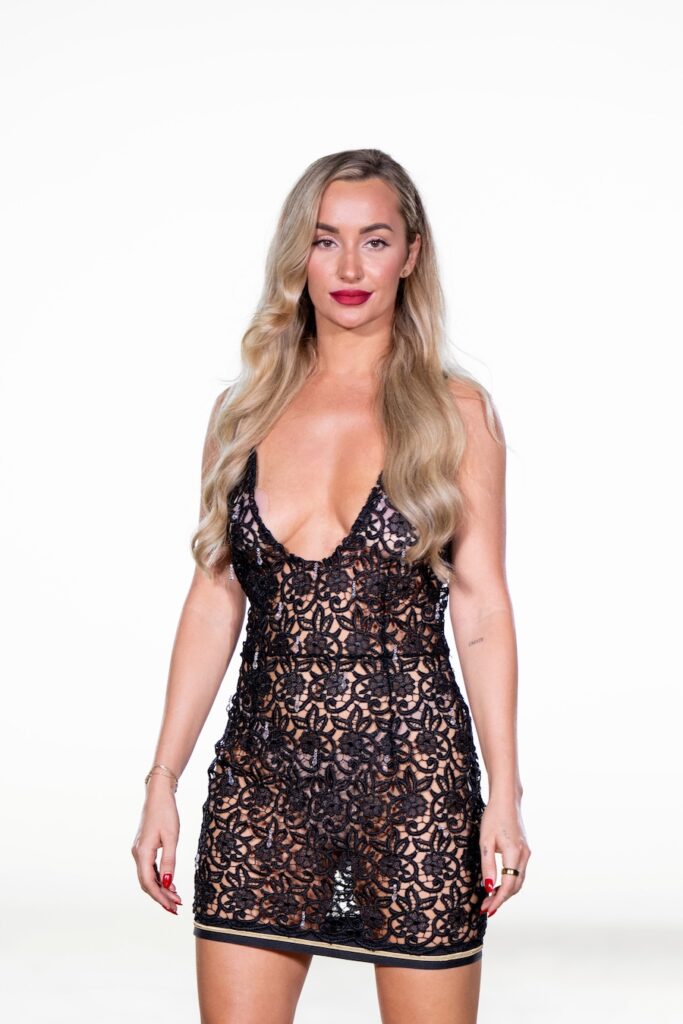
From Stylist to Designer — A Seamless Evolution of Fearlessness
Artem Drevelman’s transition from beauty to fashion under the name Arty Drevelman was not a change of profession, but an expansion of scale. Where he once worked with image through face and hair, he now continues the dialogue through fabric, construction, and form.
Hairstyle, makeup, clothing, and a person’s inner state are, for him, parts of a single visual language. This is precisely why his fashion work never feels detached from reality: it is created not for the runway alone, but for life — where a woman wants to feel strong, desired, and whole.
The Gaultier Comparison: Earned or Hyperbole?
Let’s address the elephant in the atelier. Calling anyone “the new Gaultier” is a heavyweight claim. But consider the parallels:

Both designers emerged from unconventional backgrounds — Gaultier never attended fashion school; Drevelman entered fashion through the back door of beauty transformation. Both built their aesthetics on the celebration of the female form without apology. Both favor architectural construction that enhances rather than conceals. Both possess that rare quality: the courage to be too much in an industry that often rewards playing it safe.
The difference? Drevelman’s work carries a distinct Eastern European sensibility — a slightly harder edge, a more pronounced contrast between vulnerability and strength. If Gaultier gave us Parisian provocation, Drevelman offers something equally compelling: Moscow mystique meets international sophistication.
The fashion world has been waiting for its next enfant terrible. Arty Drevelman just might be the answer — dressed to kill, with the receipts to prove it.