
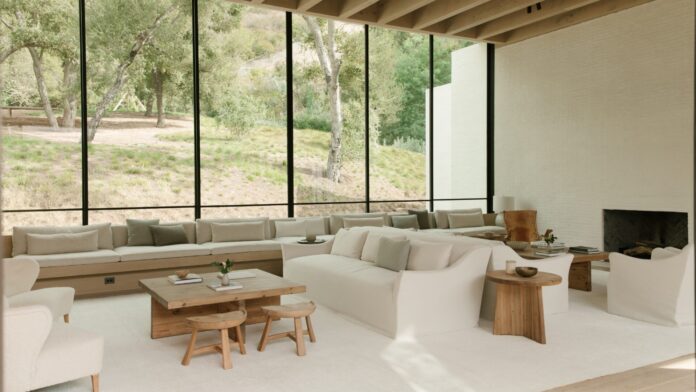
Why the nervous system remains tense when everything outwardly looks fine and how neuroaesthetics restores the missing sense of safety
Why this isn’t about your personality and how neuroaesthetics can give your nervous system the signal “it’s safe here”. We’ve all heard it. Or said it ourselves.
“I’m fine.”
But inside there’s this constant, quiet tension in the shoulders, as if someone invisible is holding you by the collar. Your eyes keep scanning the screen even when there’s nothing urgent. Your body seems to be resting, yet you can’t fully exhale. And here’s the honest truth we need to say out loud: this is not “just the way you are.” It’s not weakness of character. It’s not something you need to “try harder” to fix. This is your nervous system that hasn’t received the signal of safety for a very long time.
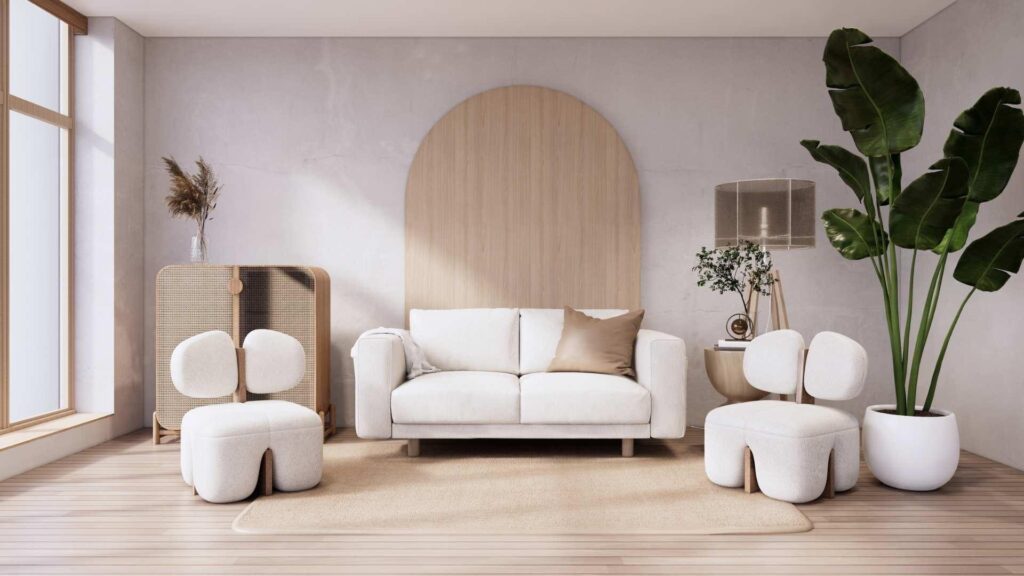
We live in an environment with too much of everything. Too much visual noise. Too much speed. Too little silence. The body simply doesn’t have time to exhale. Not because we’re lazy or weak. But because the world around us doesn’t give it permission.
And this is where neuroaesthetics comes in a young but incredibly powerful science that studies how beauty, space, form, and images can literally help rewire the nervous system. Not through willpower. Not through control. But through the environment itself.
What happens in the brain when we see beauty
When we enter a space that feels harmonious soft light, gentle lines, pleasing proportions the same brain areas light up as when we feel safe in nature. This isn’t poetry. This is neuroscience. Research shows that contemplating beautiful objects reduces activity in the amygdala (the part responsible for anxiety) and activates the brain’s reward system. Serotonin and dopamine start working not for survival, but for calm enjoyment. In simple terms: the body receives a chemical message “everything is okay, you can exhale.”
Why this works better than “just relax”
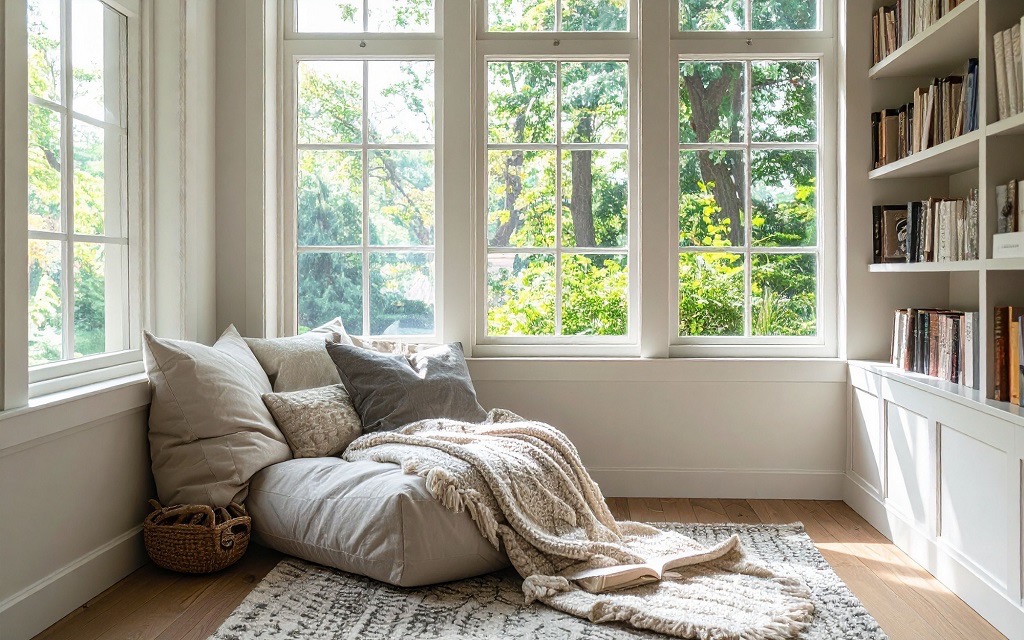
We’ve been taught that relaxation is something we have to force. Meditation, breathing exercises, “turn off your phone.” Neuroaesthetics says the opposite: The deepest relaxation happens when the environment does the work for us. A beautifully designed interior, thought through to the smallest detail. A window with a view of the sea or even an old tree.
Objects that please the eye not because they’re expensive, but because they have soul the texture of wood, the slight imperfection of ceramics, the softness of light. In those moments, the nervous system stops scanning for threats. It finally receives permission to shift into restoration mode.
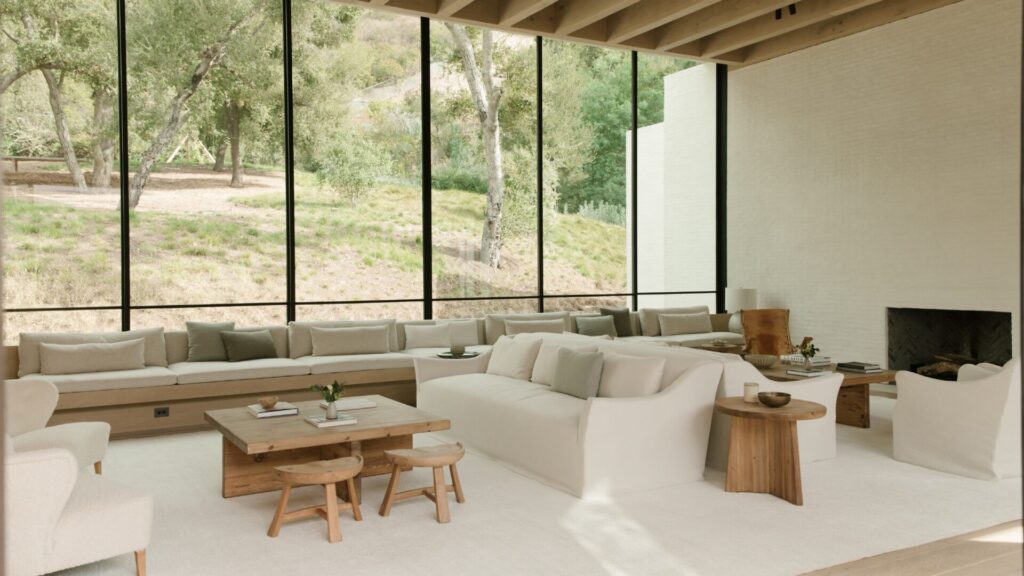
How to practice neuroaesthetics in everyday life (without a million-dollar renovation)
You don’t need to wait for the perfect apartment or a big move. You can start small:
• Create one corner in your home that simply feels “right” for your brain.
• Choose colors that calm you not the ones that are trending.
• Surround yourself with objects you want to look at for more than three seconds.
• Use light that doesn’t hit your eyes, but gently embraces you.
• Allow yourself moments of real silence.
I know a woman who simply placed one large mirror in an old wooden frame in her bedroom and added soft, warm lighting. She says: “For the first time in years, I wake up not from anxiety, but from the feeling that I am truly home.” This isn’t magic. It’s neuroaesthetics at work.
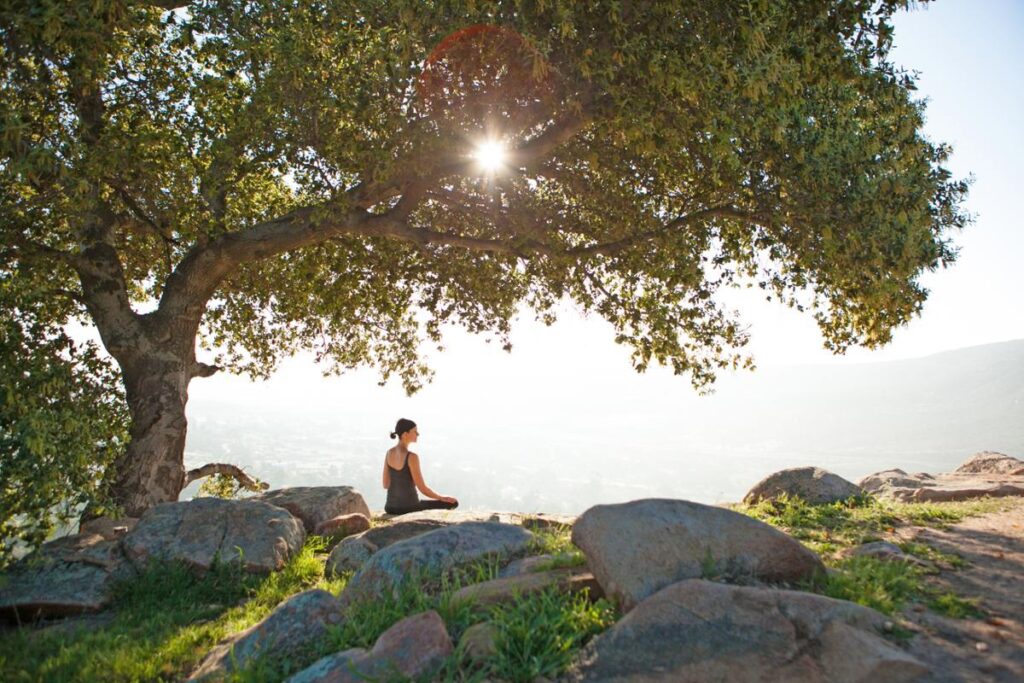
The main takeaway that changes everything
We are not obligated to “endure” constant tension just because “that’s life.” We have the right to create an environment around us that heals. Beauty is not a luxury. It is a basic need of the nervous system as important as food and sleep. And when we finally give ourselves this permission not through force, but through beauty the body begins to do what it does best: restore itself.
So the next time someone (or you yourself) says, “I’m fine, but I’m constantly tense,” you can answer gently and truthfully: “It’s not you. It’s just your nervous system asking for beauty. Let’s give it some.” Because sometimes the most powerful act of self-care isn’t “becoming stronger” — it’s allowing the world around you to become a little more beautiful.
And then, finally, the body exhales.