Hollywood’s most revealing industry story this week is not one headline. It is the collision of two. On one side, Netflix’s latest quarterly earnings materials put generative AI deeper into mainstream production than the industry can politely ignore. On the other, Christopher Nolan’s The Odyssey has turned large-format moviegoing into a box-office event, with audiences chasing IMAX screenings like they are limited-edition concert tickets.
That split says more about 2026 entertainment than either story does alone. Streaming is trying to make production faster, cheaper, more flexible, and more algorithmically useful. Theatrical is trying to make the experience impossible to shrink. Both strategies can work. But they are not selling the same future.
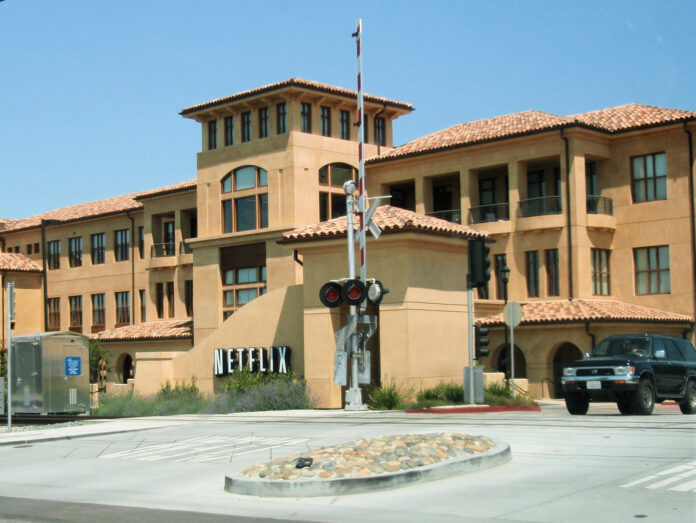
The Verge reported that Netflix said roughly 300 titles on its platform used generative AI this year, mostly in post-production. Examples included The American Experiment, Glory, and Brasil 70: A Saga do Tri, with the tools used for enhanced crowds, historical battle sequences, and worldbuilding establishing shots. During the earnings discussion, Ted Sarandos pointed to 17 minutes of AI-enhanced footage in The American Experiment, saying those shots were produced twice as fast and at half the cost of previous options.
That is not a small workflow footnote. It is the entertainment business admitting that AI has moved from experiment to infrastructure.
Netflix is selling speed, not just technology
The important word here is not “AI.” It is “cost.” Netflix’s shareholder letter framed the company’s 2026 focus around more entertainment value, technology across the service, and stronger monetization. The same letter listed Q2 revenue at $12.6 billion, up 13% year over year, and said the company expects advertising revenue to roughly double to about $3 billion in 2026. In other words, the AI story sits inside a larger operating story: more content, more formats, more ads, more efficiency.
For producers, that means the pressure is becoming brutally clear. If a digital crowd, battle plate, de-aging pass, previs sequence, translation workflow, or worldbuilding shot can be done faster without destroying quality, studios will ask why it was not. The moral and labor questions do not disappear, of course. But the budget question arrives first in every production meeting.
That is why this moment matters beyond Netflix. The streamer is large enough that its workflow choices become market signals. When Netflix says hundreds of titles have already touched generative AI, vendors, agencies, creators, post houses, unions, and independent producers all hear the same thing: this is no longer coming later.
Theaters are selling scale
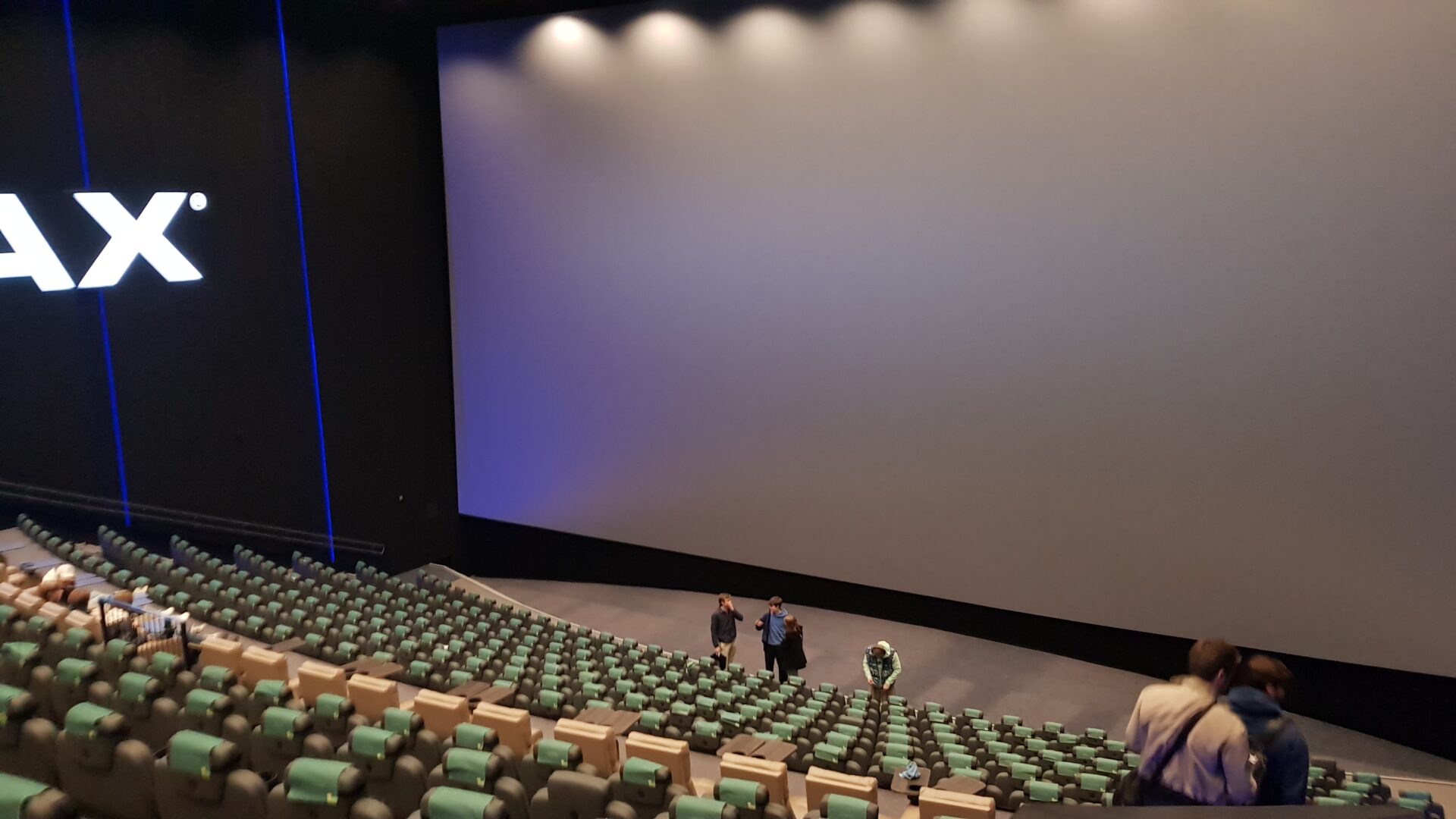
Meanwhile, The Odyssey is making the opposite argument. According to AP reporting carried by ABC News, Nolan’s film opened with $264.1 million globally, including $124.5 million domestically and $139.6 million overseas. The movie, shot entirely with IMAX cameras, also became a major large-format event. IMAX announced a record-breaking $52 million worldwide debut for the film in its format.
That is the business case for spectacle. A premium ticket only makes sense when the audience believes the format matters. Nolan has become unusually good at making that belief feel concrete. With Oppenheimer, the 70mm IMAX release became part of the story. With The Odyssey, the format is again part of the value proposition: see it big, see it properly, see it before the moment passes.
This is why the “cinema is dead” conversation keeps failing. Ordinary moviegoing may be under pressure, but event moviegoing is alive when the event is real. Theaters do not need every title to behave like The Odyssey. They need enough titles that make leaving the house feel like the only correct way to participate.
The industry is not choosing one future
The useful takeaway is not that AI will replace cinema, or that IMAX will save Hollywood by itself. The more accurate read is that entertainment is splitting into sharper lanes. Some content will be optimized for volume, speed, localization, and platform stickiness. Some content will be built as a premium appointment. The mushy middle is where the danger lives.
Gossip Stone has been tracking that same shift from the creator side, too. The Stunt Lifestyle and We In Miami profile showed how local media personalities now build distribution through clips, podcasts, and social moments, while the EXORCISTA business story pointed to a different kind of independent IP strategy: character, mythology, merch-ready visuals, and platform-native storytelling. The old line between studio product and creator product keeps getting thinner.
That is also why this week’s Digital Hollywood Summer Summit, running July 20-22 under the banner of entertainment, media, and technology, feels especially well timed. The industry is no longer debating whether tech belongs inside entertainment. It is debating who controls the tools, who gets paid when they work, and which experiences still deserve a premium price.
What this means for talent
For actors, directors, writers, editors, animators, VFX teams, designers, producers, and creators, the message is not subtle. Technical fluency is becoming part of entertainment fluency. That does not mean every creative person needs to become an engineer. It does mean the people who understand AI workflows, short-form distribution, premium format economics, and audience behavior will have a stronger seat at the table.
At the same time, the IMAX side of the story is a reminder that technology only matters when it creates a feeling people will pay for. A cheaper shot is useful. A faster workflow is useful. But the entertainment business still runs on desire: the need to see it first, see it big, talk about it, share it, argue about it, dress for it, post about it, and feel part of something larger than a private screen.
That is the real industry lesson of July 2026. Netflix is showing Hollywood how aggressively production can be compressed. Nolan and IMAX are showing Hollywood how powerfully experience can still expand. The winners will be the companies, creators, and talent who understand both sides without confusing one for the other.