
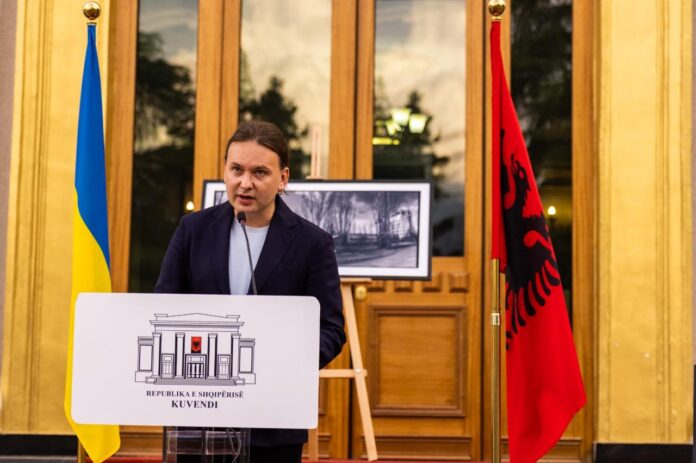
The Ukrainian cultural project Somnia Disaster, authored by Oleksandr Tyshchenko, also known as Alex Luna, has reached another parliamentary stage: the Parliament of the Republic of Albania.
The Chornobyl-focused photo exhibition opened in Tirana with support from Albanian Deputy Speaker Klodiana Spahiu and was organized by the Embassy of Ukraine to the Republic of Albania in cooperation with the Assembly of Albania, according to a report by Ukrainian outlet DSNews. The event was dedicated to the approaching 40th anniversary of the Chornobyl disaster and placed Ukraine’s cultural memory inside a diplomatic and political setting.
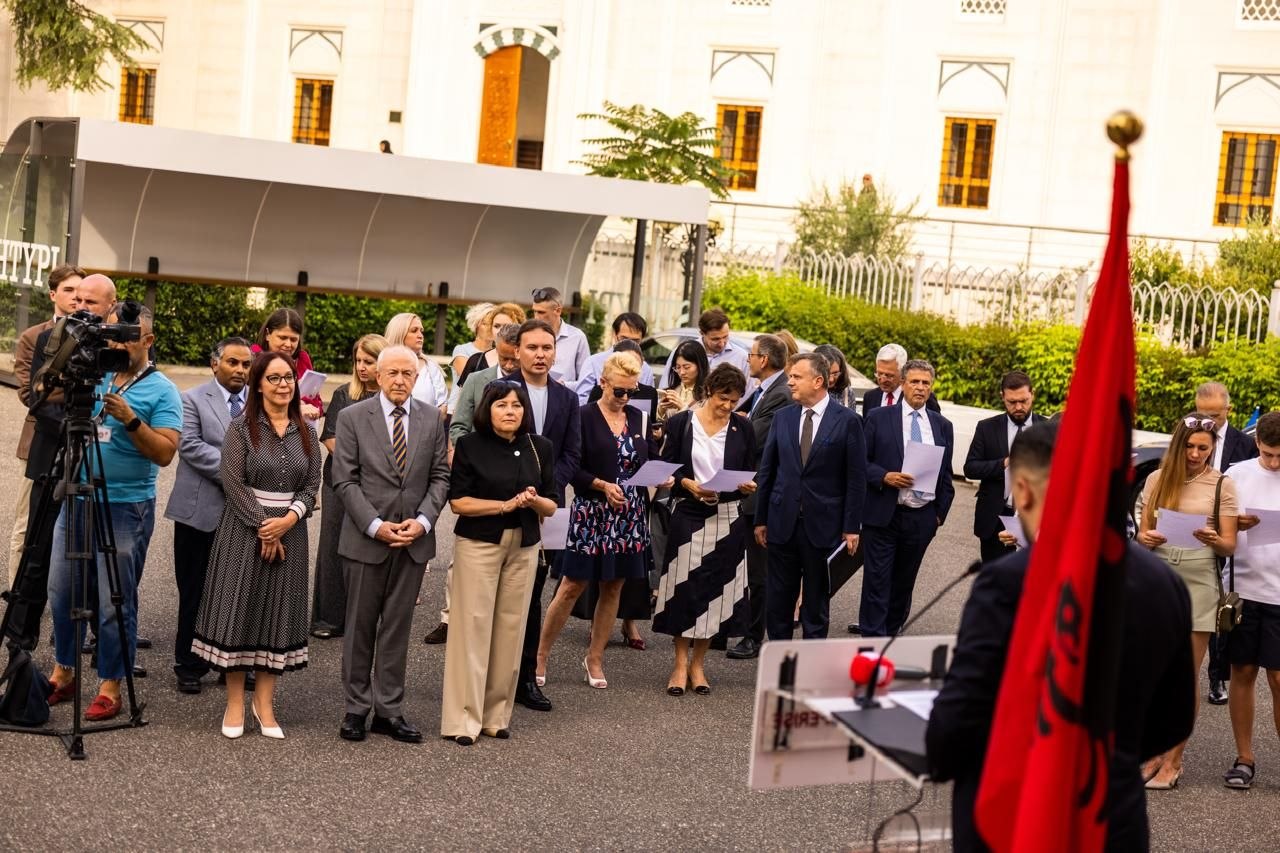
A Ukrainian Exhibition Inside Albania’s Political Space
The opening brought together Ukrainian Ambassador to Albania Volodymyr Shkurov, Albania-Ukraine Friendship Group chair Elton Korreshi, members of parliament, government representatives, diplomats, and invited guests. The setting mattered. By entering the Albanian Parliament, the exhibition turned Chornobyl from a historical subject into a present-tense conversation about nuclear safety, public responsibility, and the price of silence.
DSNews reported that the event gained additional resonance after shelling around a centralized spent nuclear fuel storage facility in Ukraine, a development that sharpened the relevance of Chornobyl and nuclear-security memory for political and diplomatic audiences. In that context, Somnia Disaster was not simply an art exhibition. It became a warning system made of images, testimony, and institutional attention.
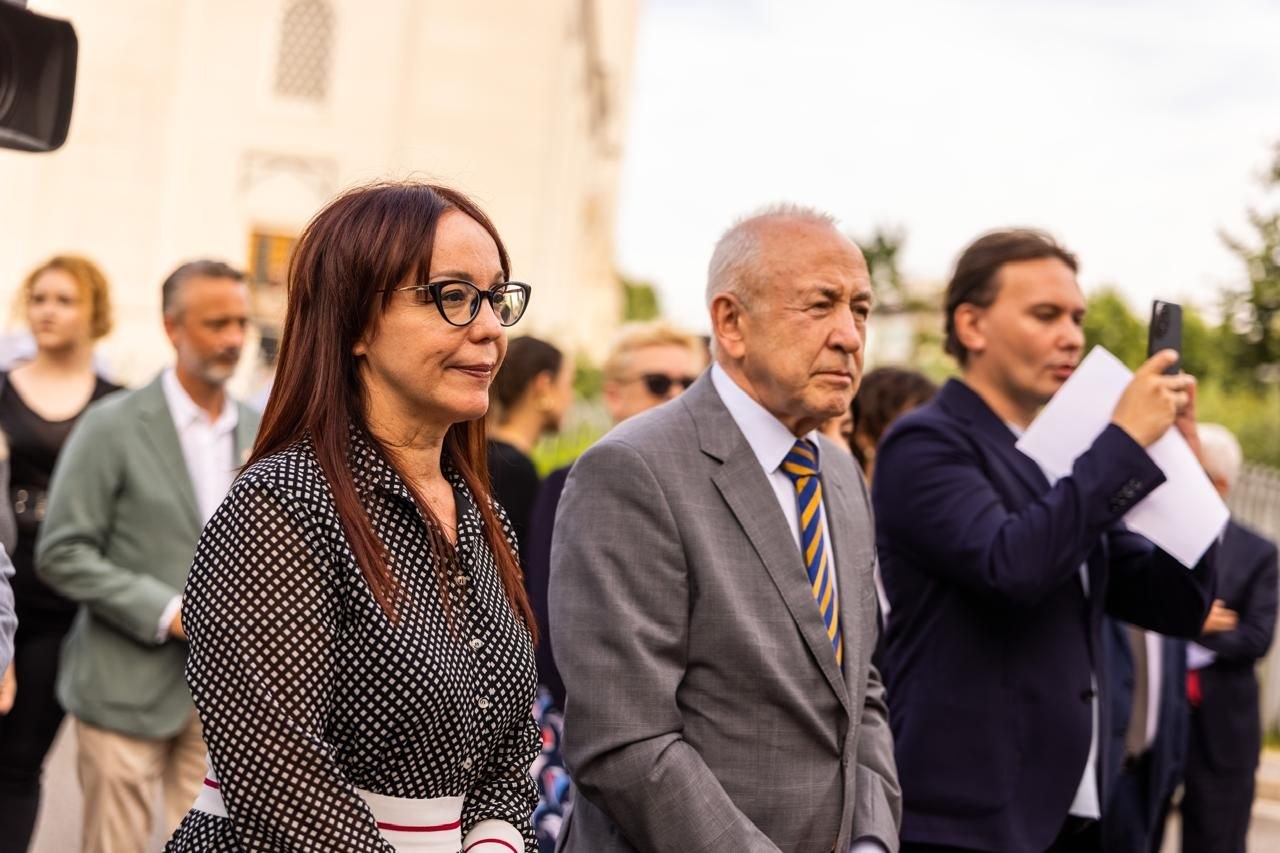
Spahiu described the exhibition publicly as an important reminder of the consequences of the Chornobyl catastrophe and the need for shared responsibility in protecting life and the environment. Her support gave the project visible political weight in Albania and reinforced the role of parliamentary diplomacy in Ukraine’s wider cultural work abroad.
Oleksandr Tyshchenko: Memory Is Not Only Ukrainian
Oleksandr Tyshchenko, Advisor to the Ukrainian Parliament Commissioner for Human Rights and author of Somnia Disaster, framed Chornobyl as more than a national tragedy. “Chornobyl is not only a page of Ukrainian history,” he said, according to DSNews. “It is a warning to the whole world about the consequences of silencing the truth.”
That sentence sits at the center of the project. Somnia Disaster uses photography, documentary film, public lectures, and educational programming to return Chornobyl to the human scale: bodies, families, abandoned places, contaminated memory, and the generation born in 1986. The Albanian exhibition featured photographs from the exclusion zone by Ukrainian photographer Vladyslav Krasnoshchok, with the participation of Ukrainian supermodel Snizhana Onopko, who was born the same year as the tragedy.
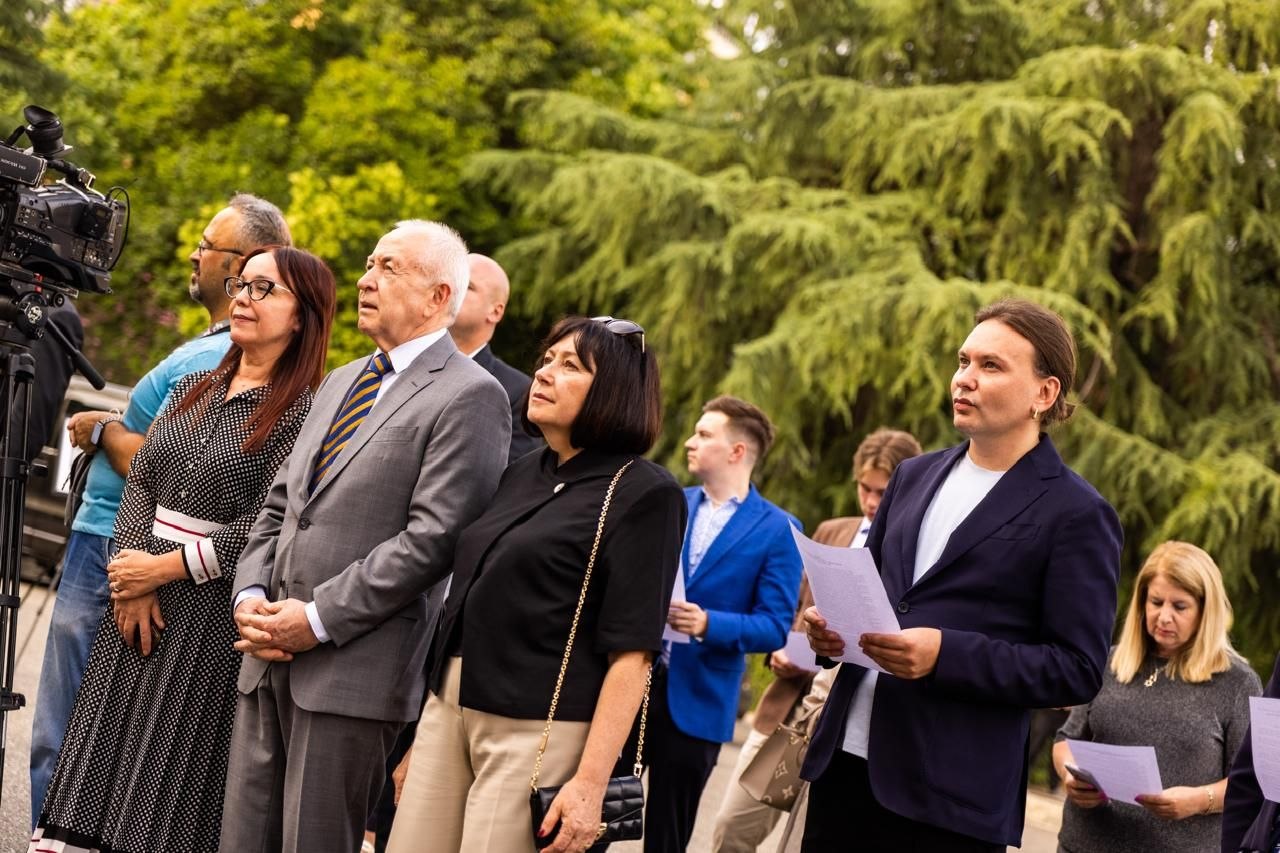
Ambassador Shkurov also emphasized the duty of remembrance. As DSNews reported, he noted that the memory of those who sacrificed their lives forty years ago to protect the world from the consequences of nuclear catastrophe remains a reminder of vigilance and responsibility. Through photography, he said, the exhibition speaks about the fragility of the world and the need for unity in the face of threats that do not recognize borders.
From Kyiv and Sofia to Tirana
The Albania opening continues a wider international route for Somnia Disaster. The project had already been presented at the Verkhovna Rada of Ukraine and at the Parliament of Bulgaria, where Gossip Stone previously covered Alex Luna’s Chornobyl-linked exhibition in the Bulgarian Parliament.
Just before the Albania presentation, the educational part of the project was introduced at Sofia University through Somnia Disaster: Between Chornobyl and Fukushima, where Tyshchenko appeared alongside Japanese photographer Shigeru Yoshida and director Setsuko Kanie. That academic setting expanded the project from parliamentary memory work into an international educational dialogue about technological disasters, cultural trauma, and nuclear safety.
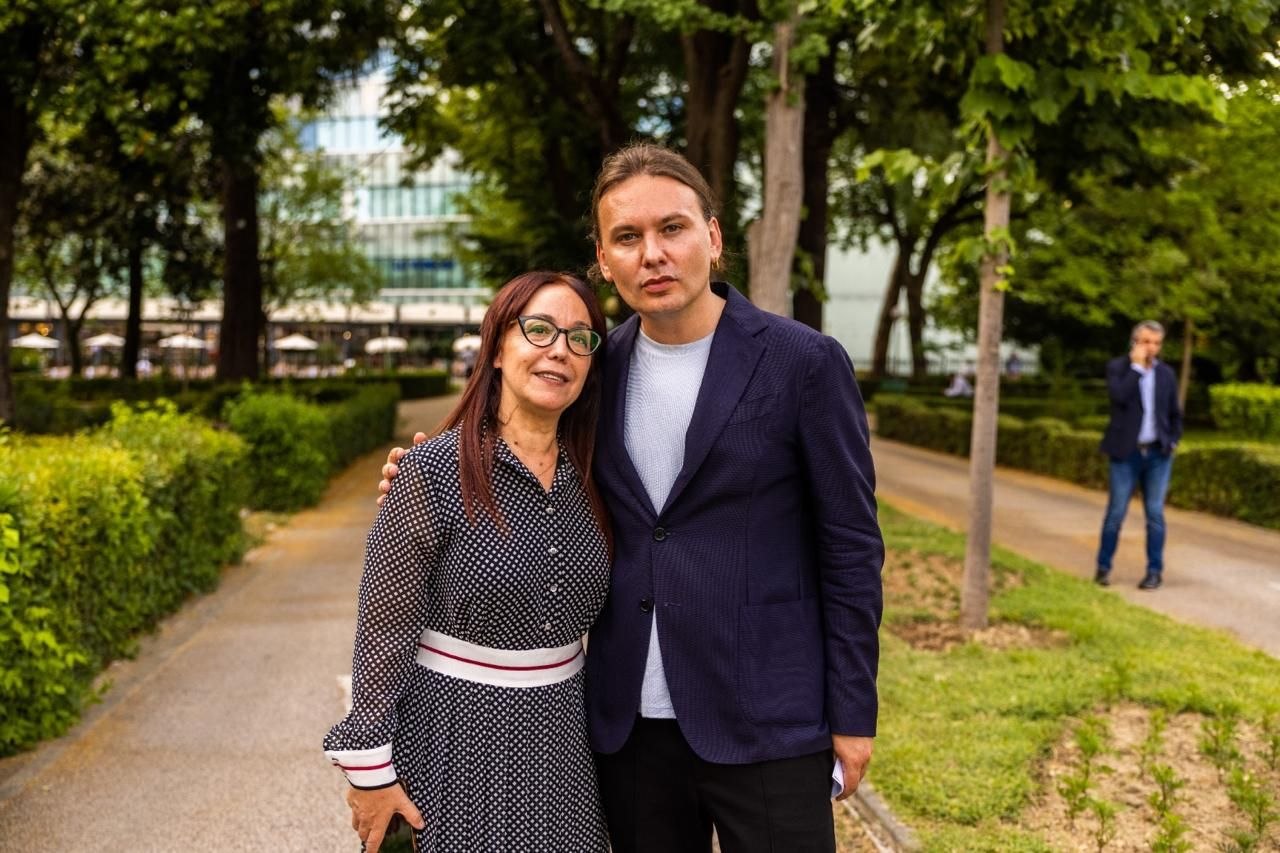
The Albanian presentation adds a new layer. Albania becomes another European political venue where Ukraine’s cultural diplomacy is asking audiences to look at Chornobyl not as a closed chapter, but as a warning that remains painfully current while Ukraine continues to live under wartime threats to energy infrastructure and civilian security.
Why This Exhibition Travels
The strength of Somnia Disaster is that it does not treat disaster as an archive. It treats disaster as inheritance. Photographs from the exclusion zone, documentary materials, and public discussion become tools for explaining how technological catastrophe reshapes generations long after the initial explosion, evacuation, or official report.
That is why the project works in parliaments as well as universities. In a gallery, Chornobyl can be seen as memory. In a parliament, it becomes responsibility. In a university, it becomes education. Across all three spaces, the question is the same: what does a society choose to remember before the next crisis tests it again?
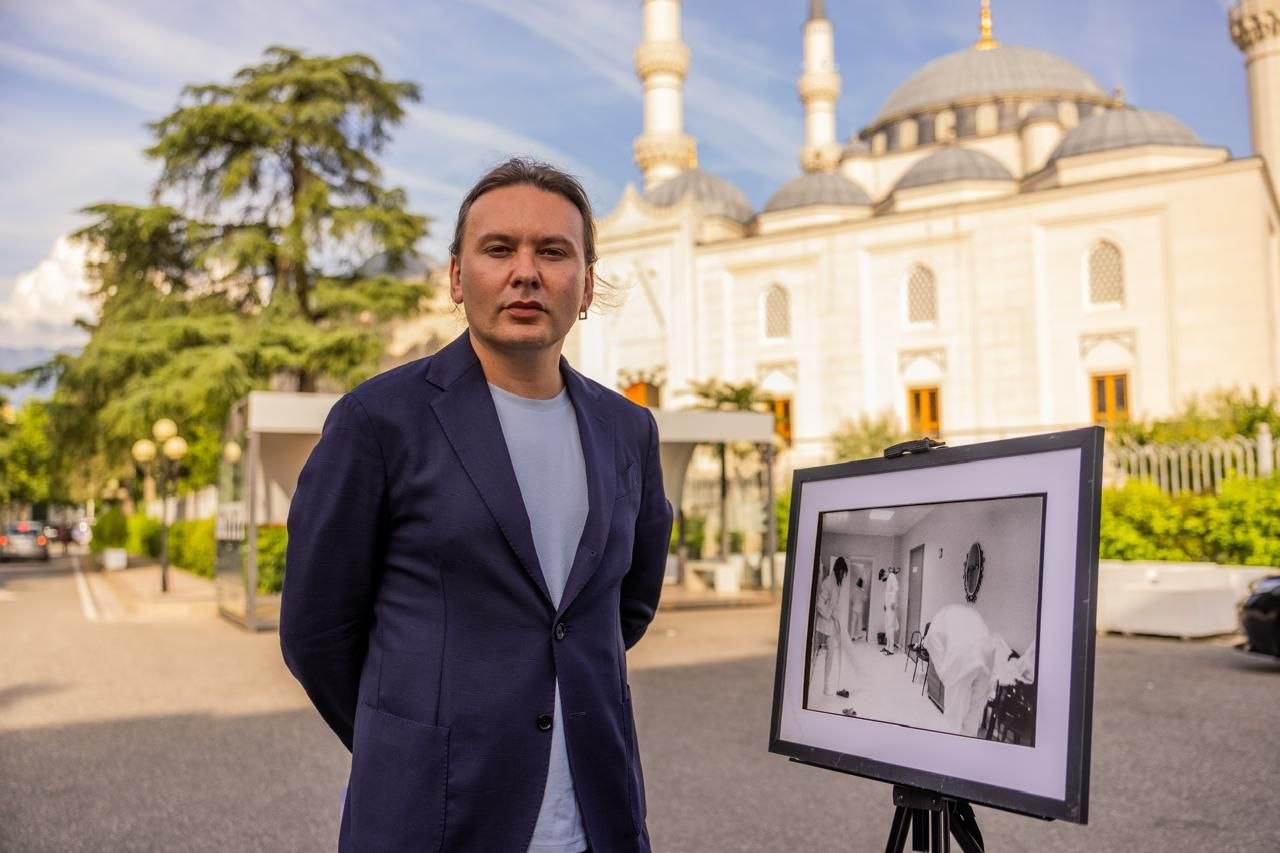
For Tyshchenko, the Albania opening marks another step in positioning Somnia Disaster as part of Ukraine’s international cultural and parliamentary diplomacy. It connects art with human rights language, memory with policy, and photography with the urgent question of nuclear security.
The result is not a conventional exhibition tour. It is a moving forum on truth, responsibility, and the human cost of technological disaster. In Tirana, that forum found a new political room.
Source: Ukrainian outlet DSNews.
Photo credit: Griseld Hoxha.