
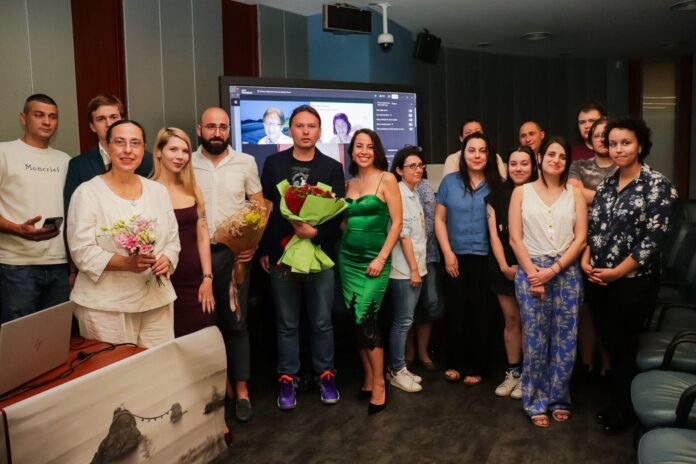
On June 8, Sofia University “St. Kliment Ohridski” hosted an educational presentation of the international project Somnia Disaster: Between Chernobyl and Fukushima. The event took place within the academic and cultural environment of one of Bulgaria’s leading universities and brought together representatives of education, culture, photography, literature, and international humanitarian dialogue.
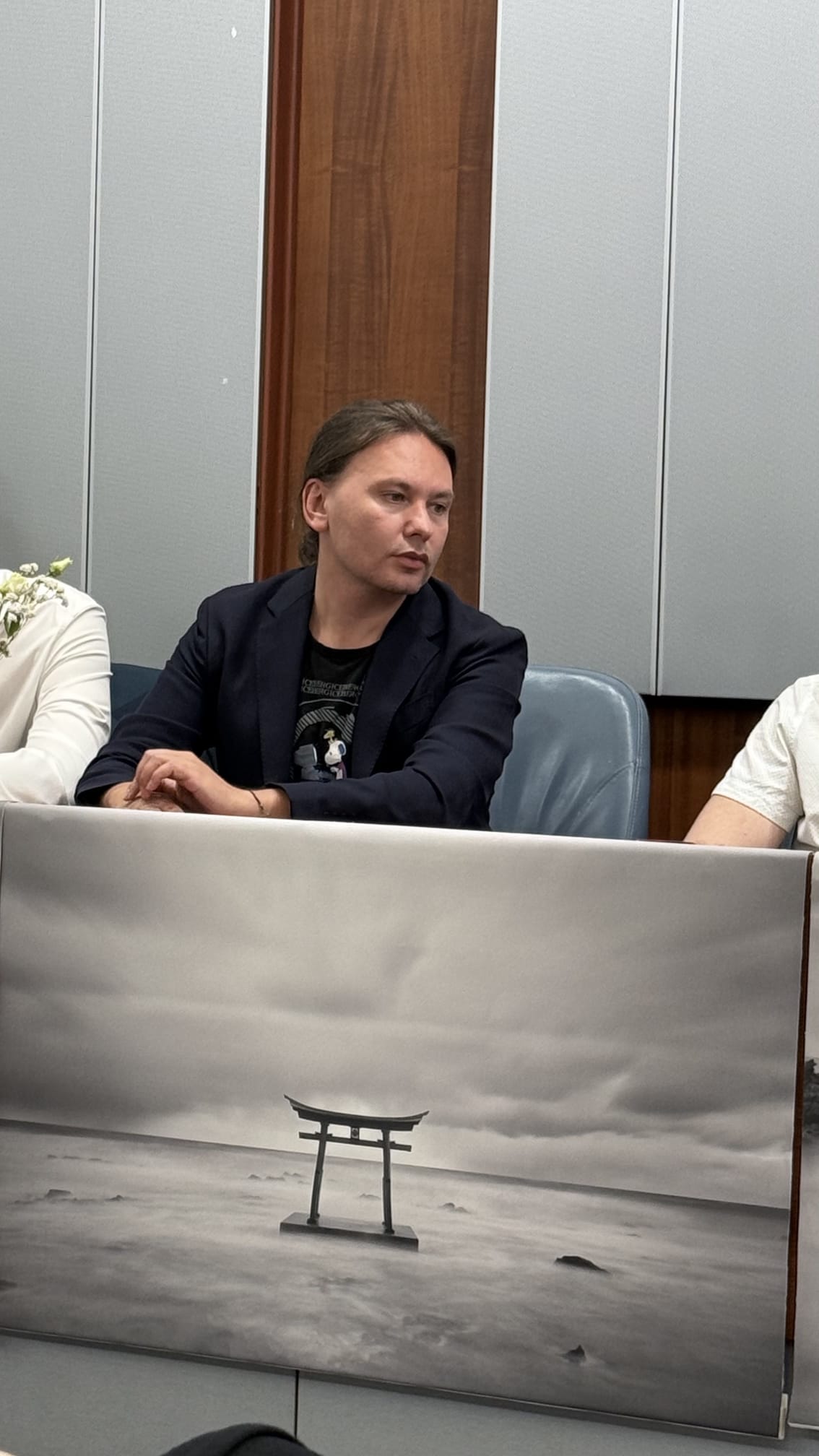
The presentation was organized by the Department of Japanese Studies at Sofia University “St. Kliment Ohridski” in cooperation with iBoost Entertainment. The initiative formed part of the broader international project Somnia Disaster, which is dedicated to the study, documentation, and public discussion of two of the most significant technological disasters in modern history: the Chernobyl Nuclear Power Plant disaster in Ukraine and the Fukushima Daiichi Nuclear Power Plant accident in Japan.
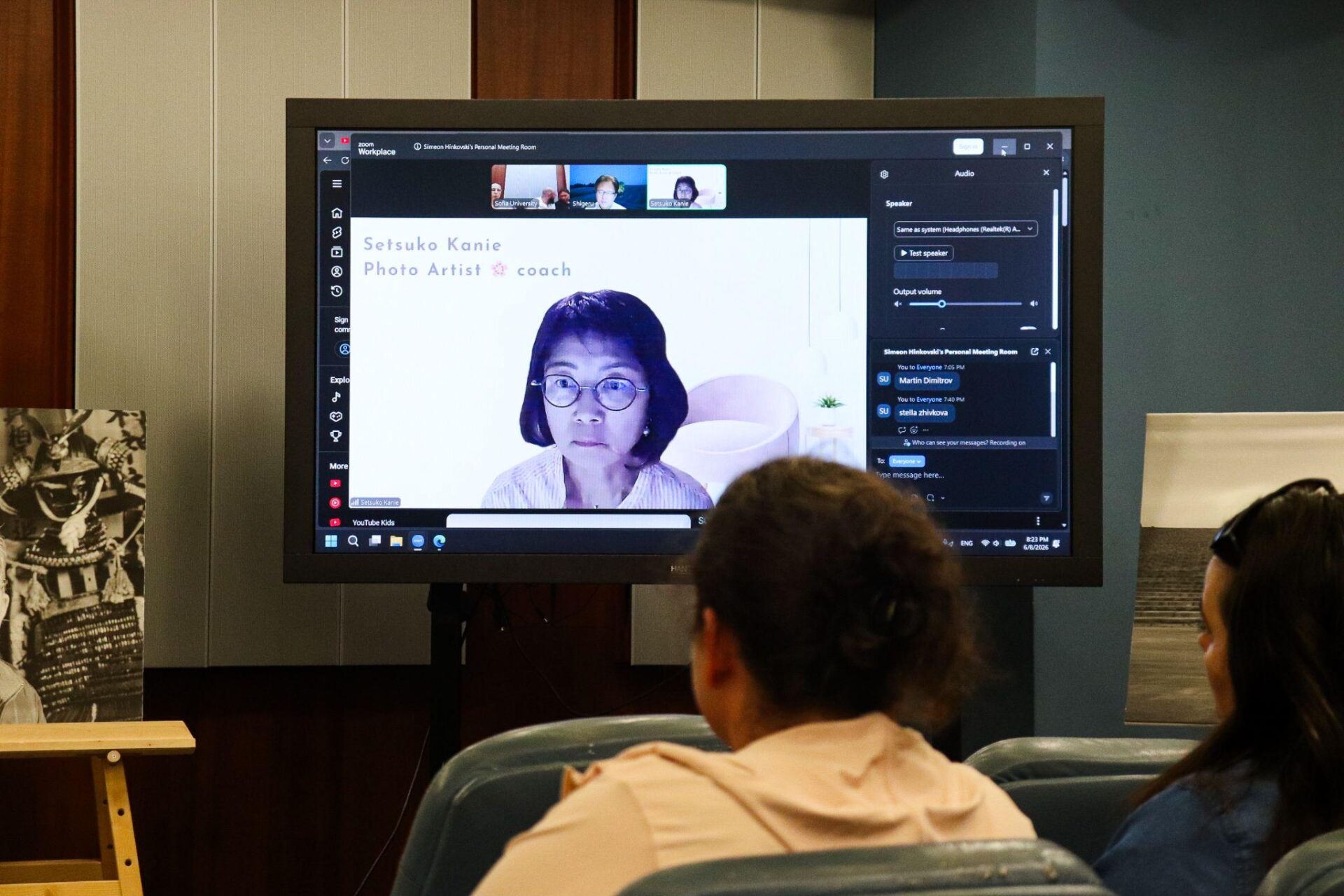
Among the participants were the project’s author, Oleksandr Tyshchenko, also known as Alex Luna, Advisor to the Ukrainian Parliament Commissioner for Human Rights; Japanese photographer Shigeru Yoshida; writer, editor, and director Setsuko Kanie; and Chief Assistant Professor Dr. Martin Dimitrov from the Department of Japanese Studies at Sofia University. Their participation emphasized the interdisciplinary nature of the project, which combines historical research, visual documentation, cultural reflection, and educational work.
Education, Memory, and Human Consequences
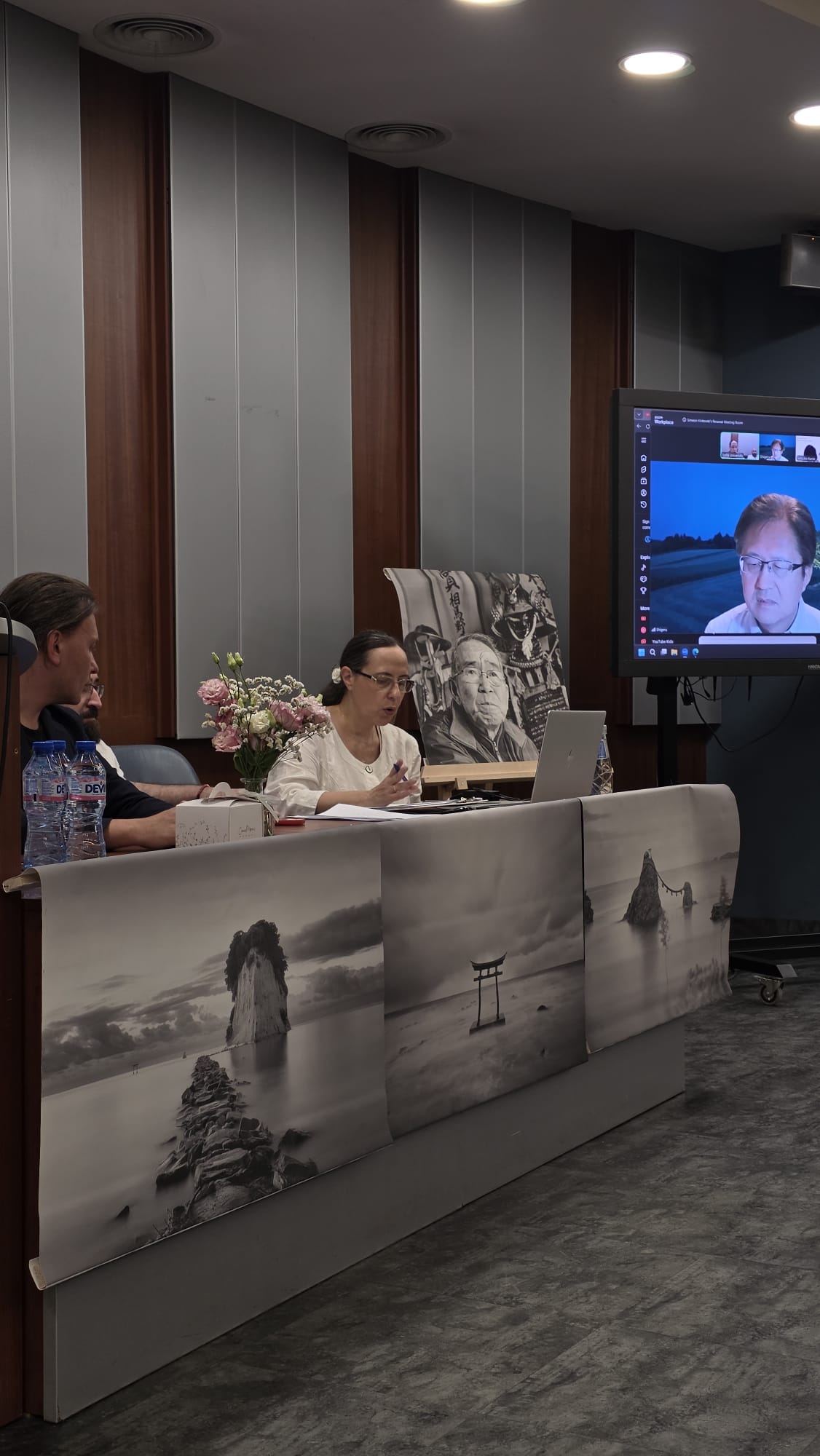
During the presentation, the speakers introduced the educational program of Somnia Disaster: Between Chernobyl and Fukushima. The program focuses on the consequences of nuclear and technological disasters, their long-term impact on people and communities, and the importance of preserving historical memory for future generations.
The discussion also addressed the social, psychological, environmental, and cultural dimensions of such events, showing that disasters of this scale cannot be understood only as technical or industrial incidents. They are also human stories connected to memory, responsibility, trauma, resilience, and international solidarity.
Documentary materials, photographs, and research-based projects were presented to the audience. These materials were the result of many years of studying how technological disasters affect individuals, families, local communities, and society as a whole. Through visual and documentary evidence, the project seeks to create a deeper understanding of the human consequences of Chernobyl and Fukushima, while also encouraging critical reflection on safety, environmental responsibility, and the role of institutions in protecting people.
Particular attention was given to the exchange of experience between Ukraine and Japan. Although Chernobyl and Fukushima happened in different historical, geographical, and political contexts, both events raised universal questions about technological development, public trust, emergency response, environmental protection, and the responsibility of societies to remember and learn from the past.
A Ukrainian-Japanese-Bulgarian Cultural Dialogue
The event also placed emphasis on the role of international cultural cooperation. By bringing together Ukrainian, Japanese, and Bulgarian participants, the presentation demonstrated how shared reflection on difficult historical experiences can become a foundation for meaningful dialogue between countries and communities. Sofia University, through its Department of Japanese Studies, provided an academic platform for connecting students and faculty members with international experts and artists working on the preservation of memory.
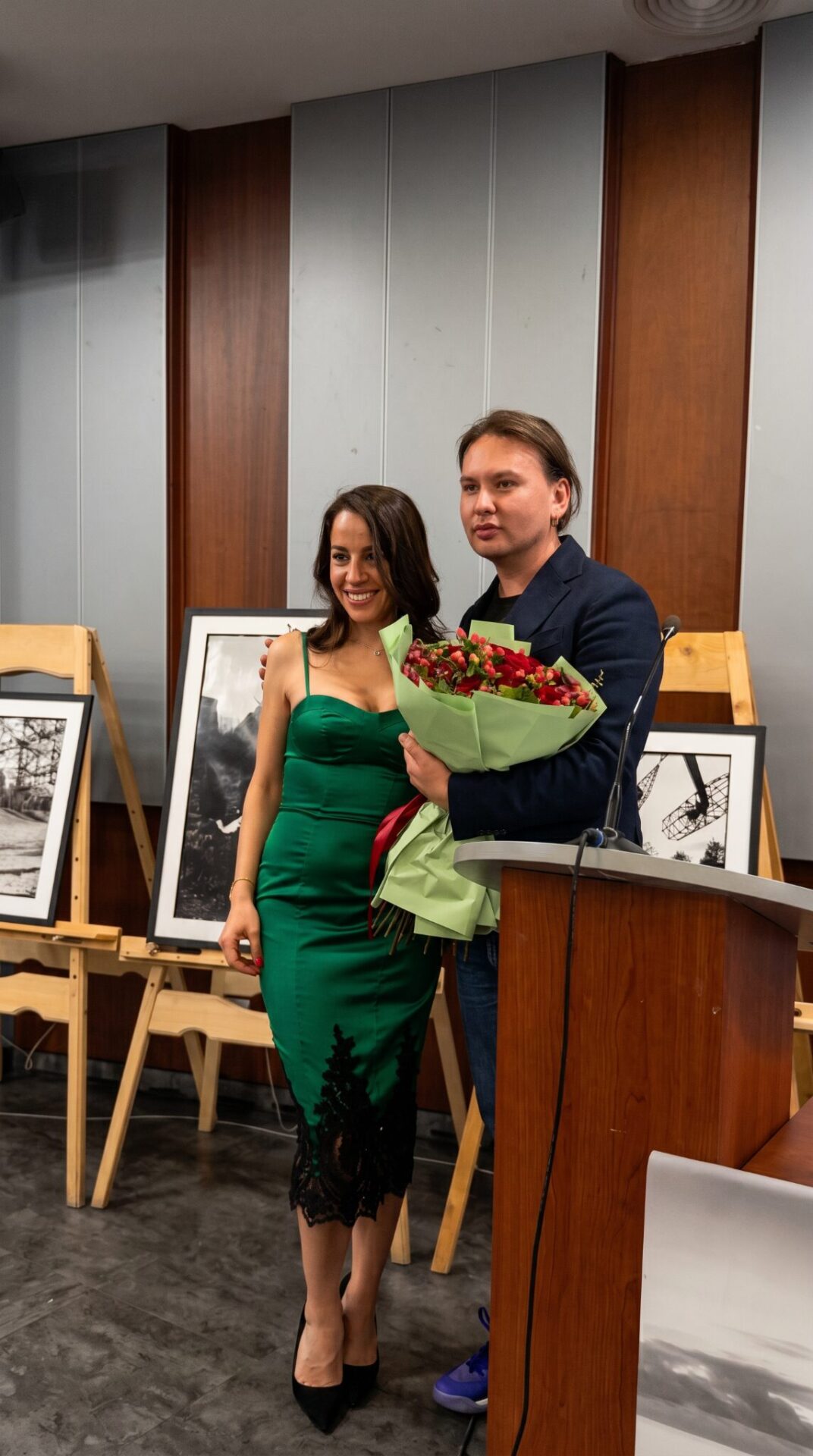
Earlier, within the framework of Somnia Disaster, an exhibition dedicated to Chernobyl and Fukushima was organized at the National Assembly of the Republic of Bulgaria. The exhibition featured photographs by Ukrainian photographer Vladyslav Krasnoshchok and Japanese photographer Shigeru Yoshida. Through their works, the exhibition presented visual interpretations of places, memories, and consequences connected to the two nuclear disasters.
That earlier exhibition was also covered by Gossip Stone in a report on Alex Luna’s art exhibition at the Bulgarian Parliament. The Sofia University presentation continued the dialogue in an educational format, allowing the audience to engage more directly with the ideas, research, and personal experiences behind the project.
The new presentation also follows a broader pattern in Oleksandr Tyshchenko’s cultural and humanitarian work, including his recent Washington appearance covered by Gossip Stone, where Oleksandr Tyshchenko (Alex Luna) and Ambassador William Taylor presented Here I Am at Ukraine House.
Participants and Closing Discussion
The event was supported by Flowers Art Studio, Hands & Friends, and Cinnamons Bakery, whose contribution helped create a welcoming atmosphere for guests, students, and participants. The meeting concluded with an open discussion involving invited guests, students, and members of the university faculty. The audience had the opportunity to ask questions, exchange opinions, and reflect on the themes presented during the event.
The discussion confirmed a strong interest in international initiatives that combine education, art, historical memory, and intercultural cooperation. The presentation of Somnia Disaster: Between Chernobyl and Fukushima at Sofia University became an important step in promoting dialogue about the consequences of technological disasters and the responsibility of societies to preserve memory. It also demonstrated the value of cooperation between academic institutions, cultural organizations, artists, and researchers in addressing complex global issues through education and culture.
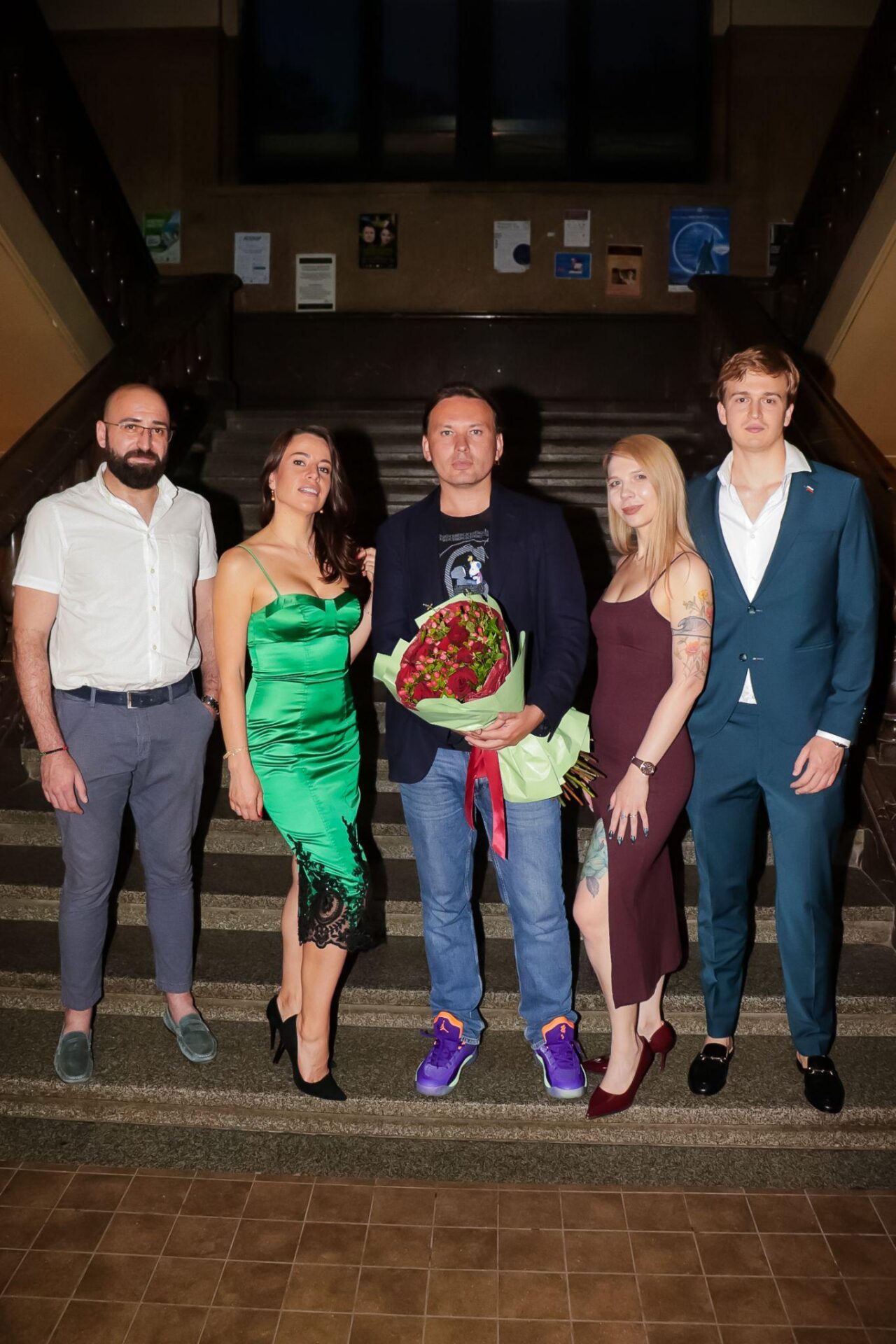
Pictured: Organizers and participants included Oleksandr Tyshchenko (Alex Luna), Irina Bosin (Guliaieva), Dr. Martin Dimitrov, Kseniia Eliseeva, Dr. Stella Zhivkova, and Makar Kiosev. Shigeru Yoshida and Setsuko Kanie appeared on the video screen.
Photo credits: Yevhen Kotkov and Kseniia Eliseeva.