By the end of January 2026, one truth has become impossible to ignore: the beauty industry has entered a quieter, more deliberate era. The exaggerated aesthetics that once dominated social media — overfilled lips, hyper-contoured faces, dramatic transformations — are steadily giving way to something subtler, calmer, and far more controlled.
This is not a rejection of beauty. It is a redefinition of power through restraint.
In fashion, the quiet luxury movement has already reshaped how status is communicated. In beauty, the same philosophy is now taking hold. What looks effortless is no longer accidental. It is curated, expensive, and deeply intentional.
From “Instagram Face” to Individual Features
For nearly a decade, a single aesthetic dominated global beauty culture: symmetrical, exaggerated, and unmistakably artificial. It was instantly recognizable — and instantly replicable. Filters, fillers, and contouring erased individuality in favor of a universal template.
In 2026, that template is quietly dissolving.
Celebrities and high-profile figures are increasingly embracing looks that emphasize skin quality over facial restructuring, subtle enhancement over transformation. The goal is no longer to look perfected — it is to look real, but elevated.
Editors at Vogue have noted a sharp increase in coverage focused on “undetectable beauty” — routines and procedures designed to preserve natural features rather than overwrite them.
Real Skin Has Become the Ultimate Status Symbol
In the current beauty hierarchy, flawless skin has replaced dramatic makeup as the ultimate marker of access. Glowing, healthy skin signals time, resources, and long-term care — not just a good makeup artist.
Luxury skincare brands are thriving as consumers shift budgets away from cosmetic camouflage and toward prevention, repair, and maintenance. Treatments once reserved for medical settings are now standard among celebrities, executives, and tastemakers.
Dermatologists affiliated with the American Academy of Dermatology confirm that patient demand has shifted toward subtle interventions focused on texture, tone, and longevity.
The message is clear: beauty that whispers is more powerful than beauty that shouts.
Quiet Glam and the Psychology of Control
Quiet glam is not about minimal effort — it is about controlled effort. Every detail is deliberate, from barely-there makeup to hair that appears untouched but is meticulously styled.
This aesthetic reflects a broader cultural desire for composure. In an overstimulated world, restraint reads as confidence. Simplicity signals authority.
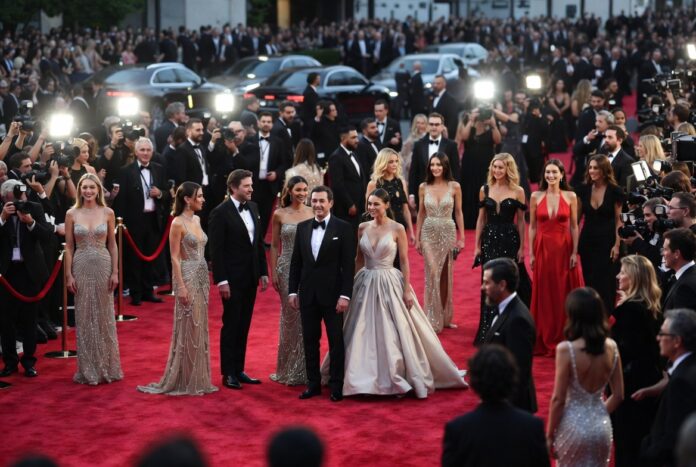
The faces dominating red carpets and front rows in early 2026 are not trying to compete for attention. They assume it.
The Decline of Overcorrection
One of the most notable shifts in beauty culture is the growing rejection of overcorrection. Extreme cosmetic interventions, once celebrated for their shock value, are increasingly viewed as dated.
This does not mean cosmetic procedures are disappearing. They are becoming invisible.
Modern aesthetic medicine emphasizes harmony, balance, and reversibility. The objective is not transformation, but preservation.
Beauty professionals report that clients now bring reference photos of themselves from earlier years — not celebrities. The aspiration is to look like a refined version of one’s own past.
Celebrity Influence Without the Excess
Celebrities remain central to beauty trends, but their influence has matured. Instead of promoting dramatic looks, they are championing routines, wellness, and skin health.
The emphasis has shifted from “what I changed” to “how I maintain.”
This narrative resonates with audiences exhausted by unattainable standards. It reframes beauty as something sustained over time rather than achieved overnight.
Makeup as Accent, Not Armor
Makeup in 2026 functions as an accent rather than a disguise. Neutral palettes, sheer textures, and skin-forward finishes dominate editorial spreads and red carpets alike.
This does not mean glamour has disappeared. It has been refined.
A bold lip paired with bare skin. A sharp brow with minimal base. Contrast replaces excess, allowing individuality to surface.
According to beauty market analysts at Business of Fashion, brands focusing on hybrid products — skincare-infused makeup, multifunctional formulas — are outperforming traditional color cosmetics.
The Rise of Beauty Minimalism as Luxury
Minimalism in beauty is not about doing less — it is about doing better. Fewer products, higher quality, intentional routines.
This approach aligns with sustainability concerns, but it is driven primarily by aesthetics. Cluttered routines feel outdated. Precision feels modern.
Luxury is no longer about volume. It is about curation.
Aging Reframed as Authority
Another defining shift of 2026 is the reframing of aging. Lines, texture, and expression are no longer automatically erased. They are selectively softened.
Age is no longer treated as a flaw to correct, but as a dimension to manage.
This perspective allows for beauty narratives rooted in confidence rather than denial. It also expands representation, making space for faces that reflect lived experience.
Why This Shift Is Happening Now
The beauty reset did not happen overnight. It emerged from fatigue — fatigue with sameness, excess, and performative perfection.
In a cultural moment defined by transparency and control, exaggerated beauty reads as insecurity. Quiet beauty reads as command.
This is not a return to “natural beauty” as a myth. It is a move toward intentional beauty — strategic, personalized, and sustainable.
Final Reflection: Beauty That Doesn’t Need to Prove Itself
Beauty in 2026 is not about chasing trends. It is about choosing restraint. The most compelling looks no longer demand attention — they hold it.
Quiet glam is not passive. It is powerful.
And as this philosophy continues to reshape red carpets, editorials, and everyday routines, one thing is certain: the future of beauty belongs to those who understand that confidence, like luxury, is most convincing when it is understated.