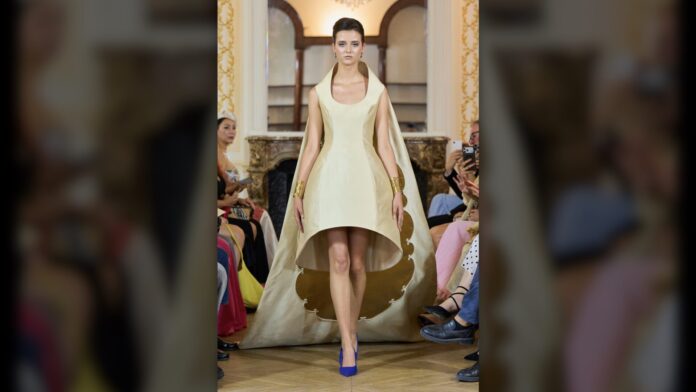
Paris Haute Couture Week always knows how to make fashion feel ceremonial. This season, the LAZIN Awards 2026 pushed that ceremony beyond the runway. Held on July 8, 2026, at Hôtel Particulier Monceau in Paris, the program brought together couture, visual art, photography, literature, music, beauty, media, and cultural production in one unusually layered afternoon.
At the center of the event were the LAZIN Magazine Awards 2026, created to recognize the people and projects shaping the wider creative industry: not only designers, but also artists, hairstylists, photographers, educators, cultural storytellers, platform founders, and international cultural producers. Approximately one hundred applications and nominations were considered before an interdisciplinary expert committee selected eleven recipients across fashion, beauty, visual art, media, and cultural production.
Gossip Stone and Gossip Stone TV served as official media partner for the event, providing dedicated coverage and helping expand visibility for the award recipients, designers, artists, and cultural participants featured in the Paris program.
The timing gave the awards a sharper context. The official Haute Couture Week calendar placed Paris at the center of fashion conversation from July 6 to 9, while the LAZIN program used that momentum to argue for a broader definition of couture culture. Clothing was central, yes. But it was not alone.
Eleven awards, one international creative community
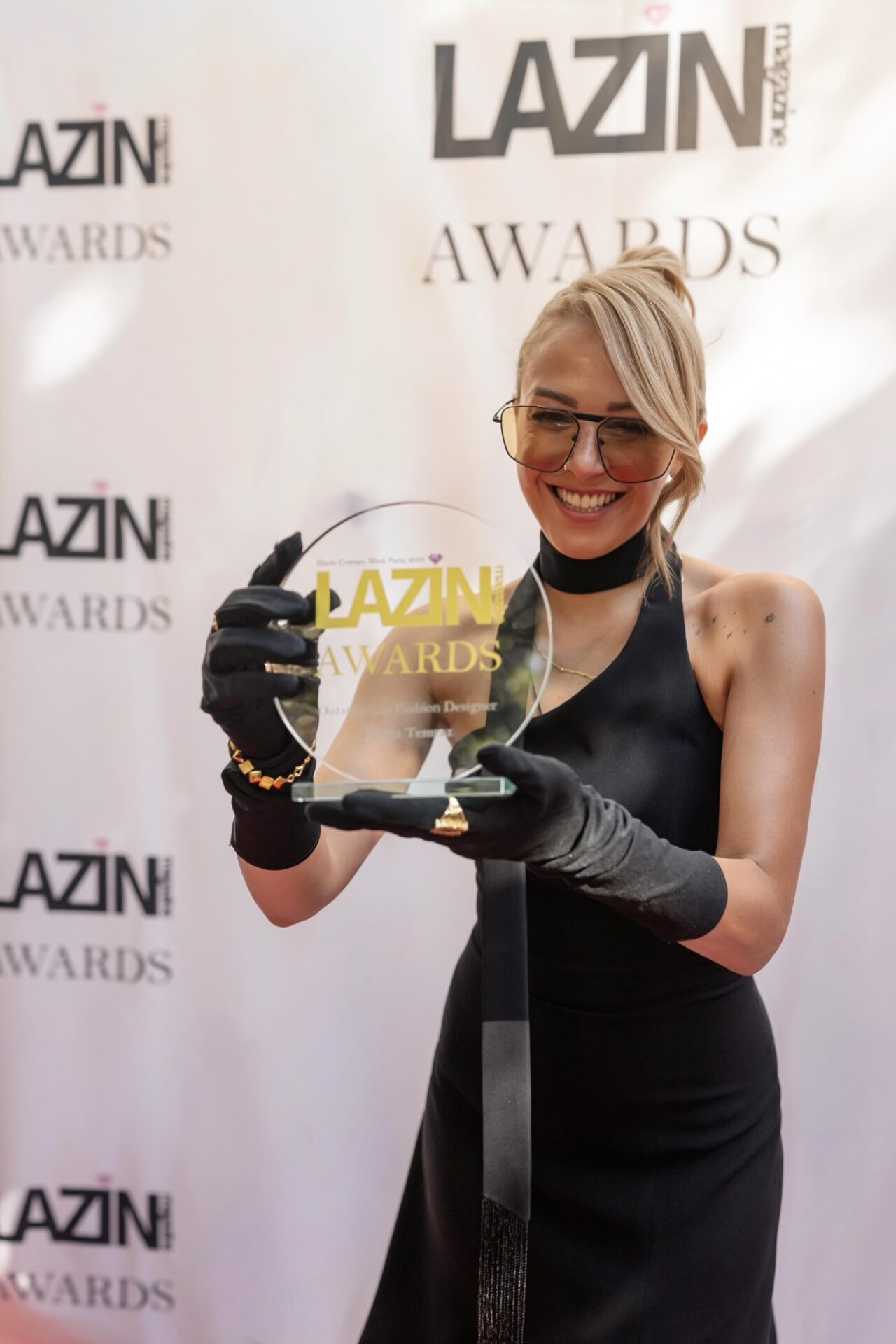
Egyptian couturier Farida Temraz, founder of TEMRAZA, received the Outstanding Fashion Designer Award. The distinction recognized her contribution to contemporary couture and her continued work to strengthen the position of Egyptian fashion on the international stage.
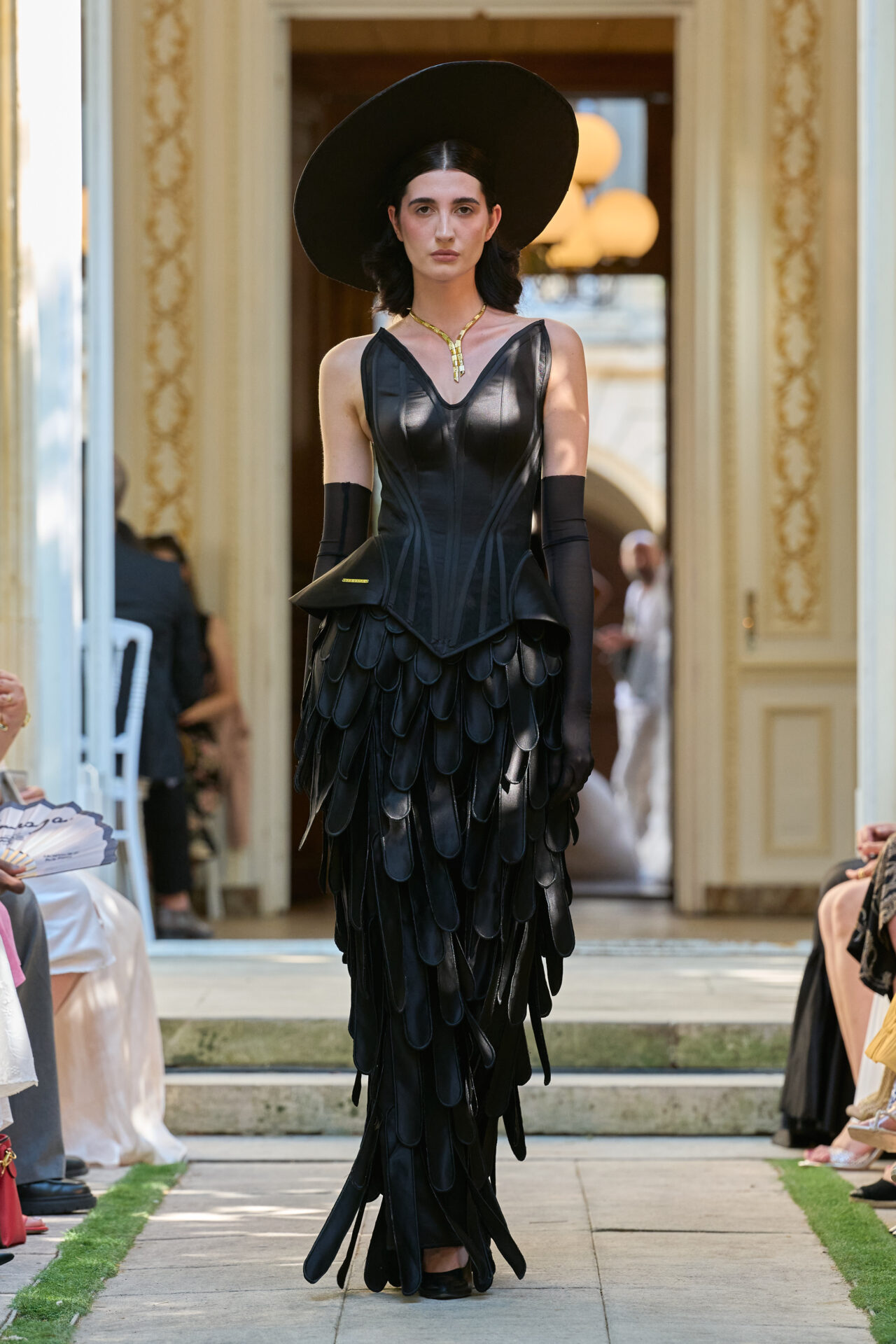
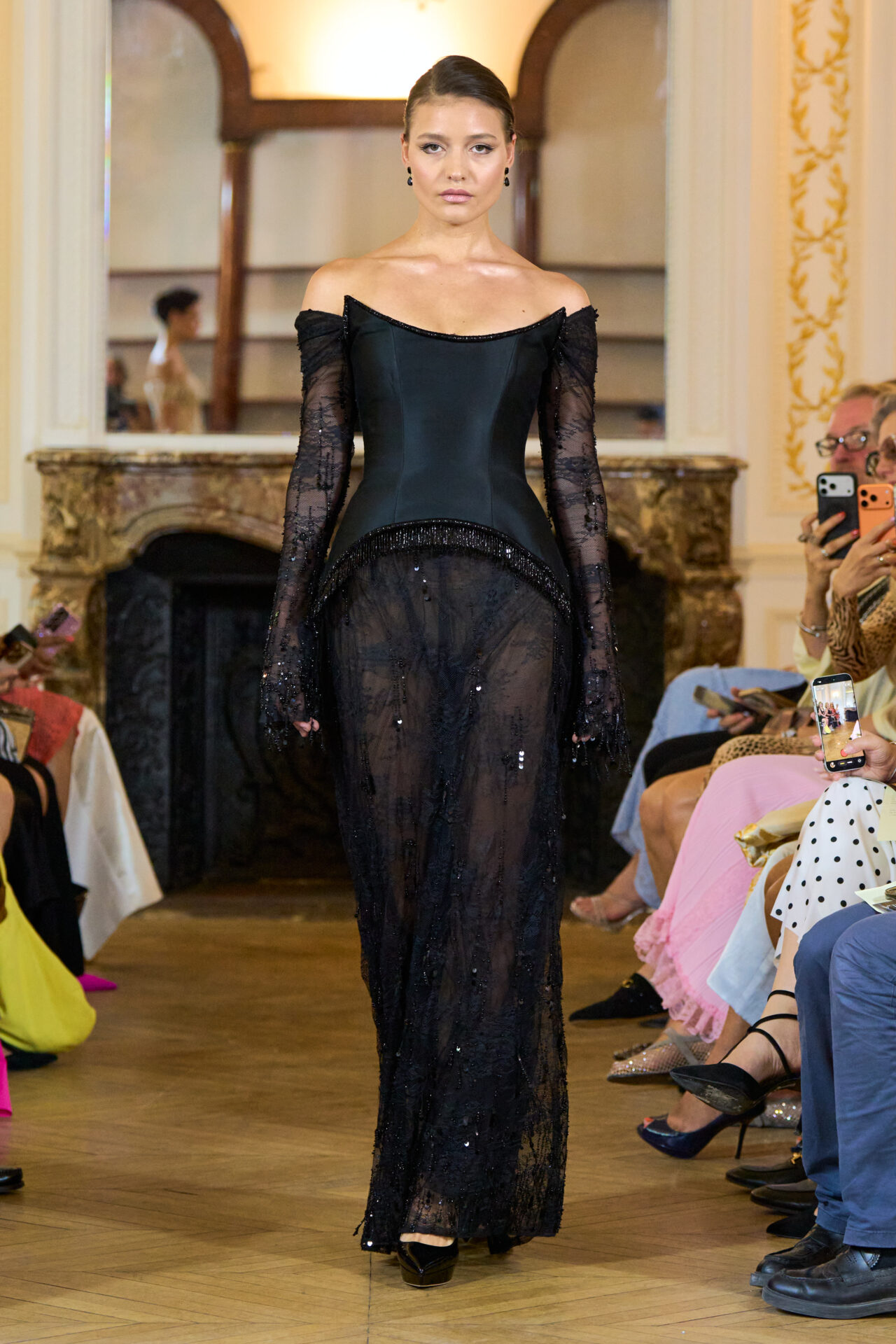
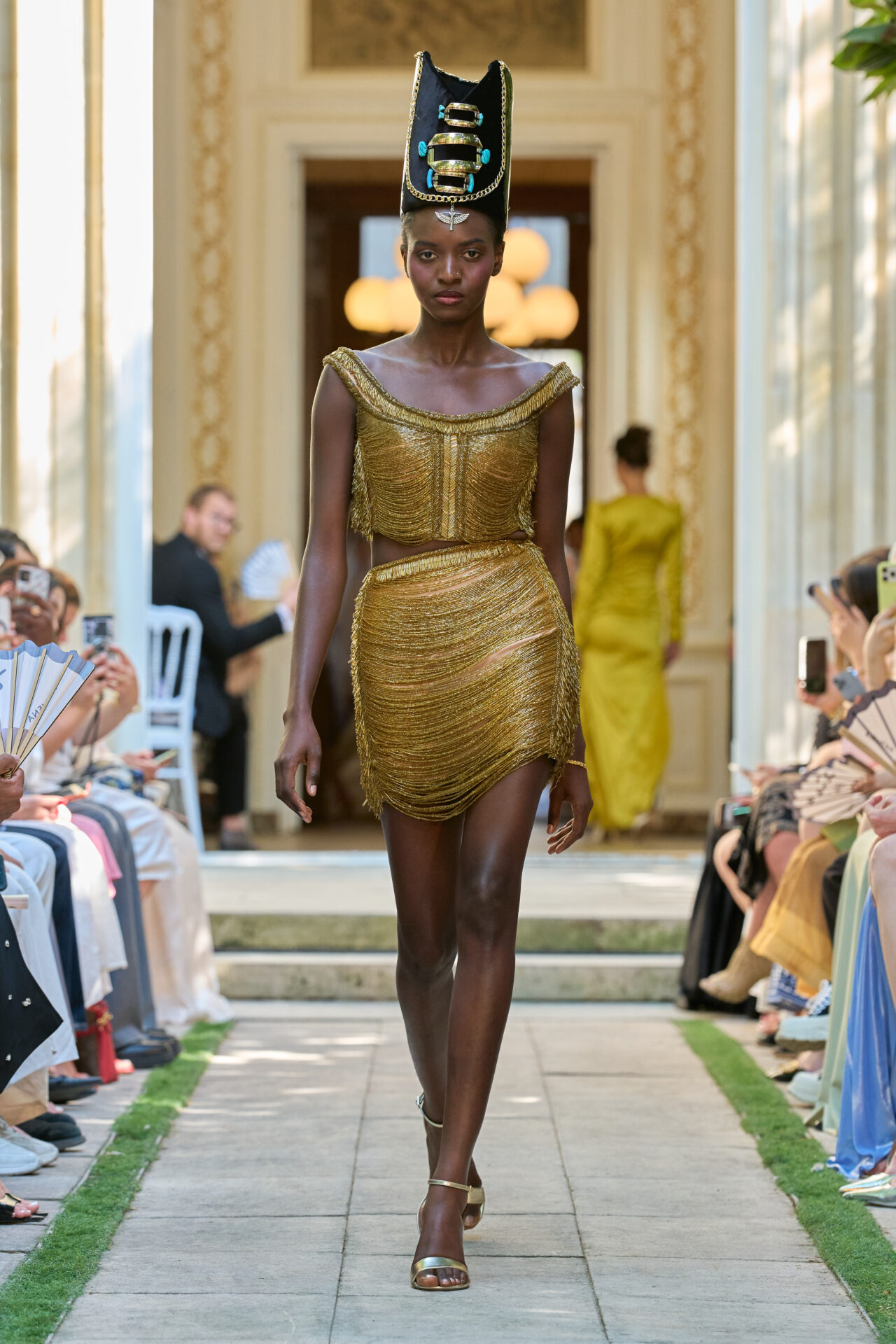
Temraz’s recognition coincided with the presentation of the TEMRAZA Archive Collection, which brought together some of the fashion house’s most emblematic creations. Rather than functioning as a conventional retrospective, the presentation demonstrated the continuing relevance of the brand’s aesthetic language and the lasting quality of its craftsmanship.
Zanzibar-born artist Jasmin Bakar Omar received the Contemporary Impressionist Excellence Award in the Visual Artist category. One of the few professional female artists from Zanzibar, she has developed her practice through more than a decade of exhibitions, workshops, residencies, and community art initiatives.
Her paintings draw from the visual identity of Zanzibar: its historic carved doors, traditional dhows, Stone Town architecture, fishermen, local buses, and daily coastal life. Working primarily with acrylics, palette knife, and mixed media, she transforms familiar scenes into expressive reflections on heritage, resilience, and personal freedom.
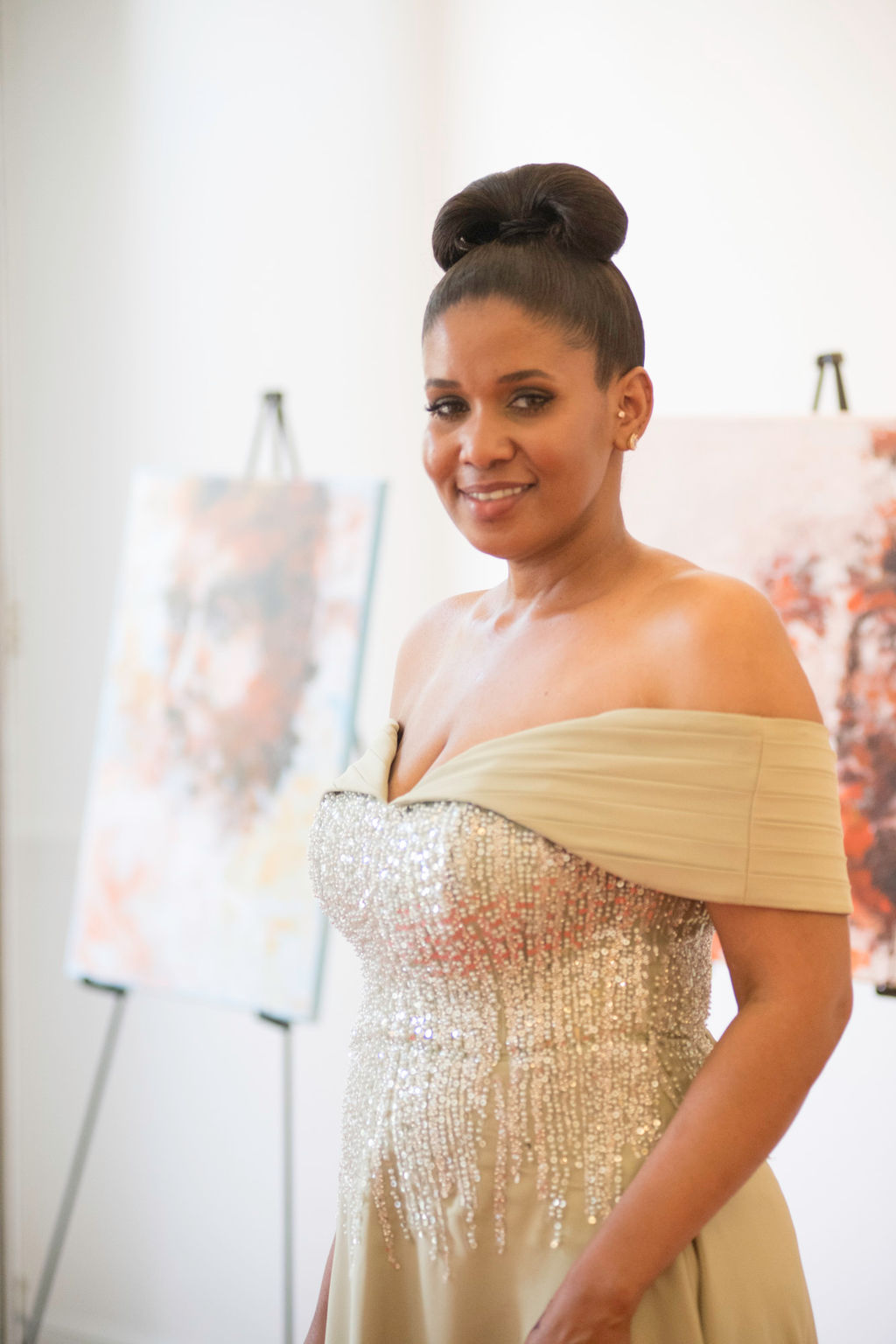
Chinese hair artist Weiming Luo, founder of Hanjingji, received the Master of Influence in Hair Art Award. With more than twenty years of professional experience, including collaborations connected to Paris Fashion Week, Luo has built a practice that brings traditional Eastern beauty culture into dialogue with contemporary international fashion.
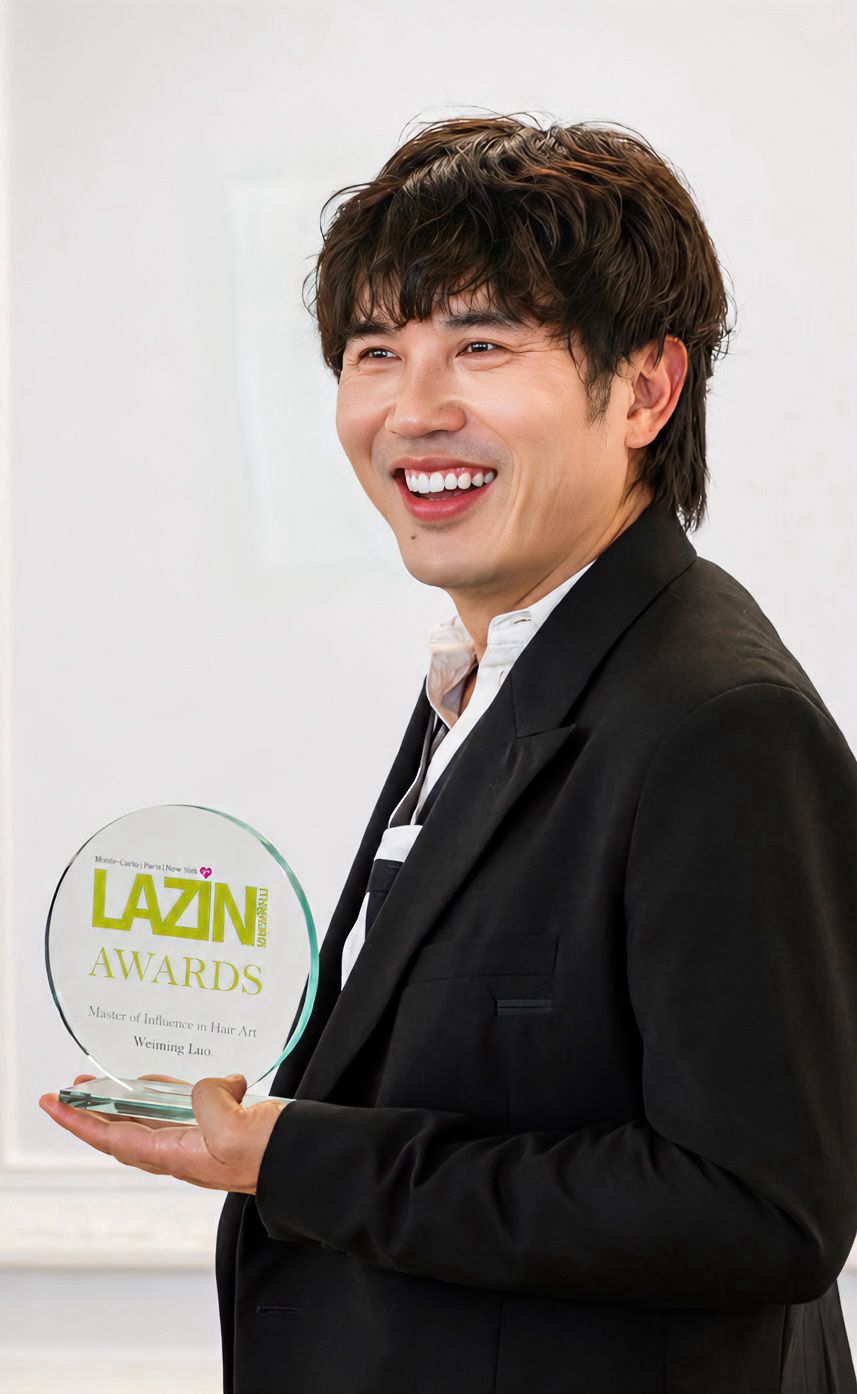
Italian-based designer Zuoni Meng, known professionally as Ms. Monzoni, received the Haute Couture Excellence Award. Her couture practice is distinguished by meticulous hand craftsmanship, rare textiles sourced internationally, and bespoke garments created for an exclusive global clientele.
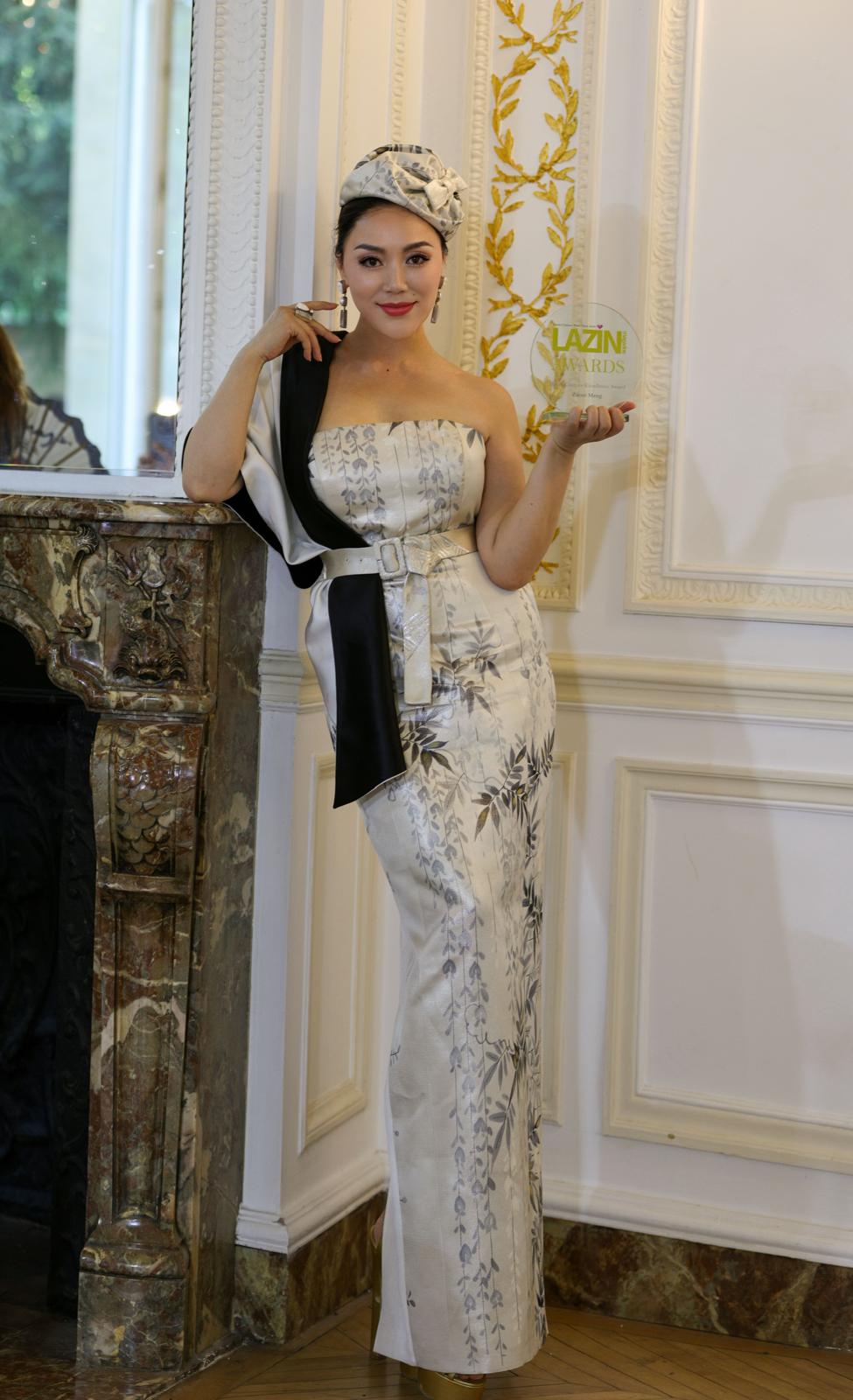
The Italian footwear label CALESTE, founded by Natalia Sviderskaia, was honored with the Luxury Shoe Brand Excellence Award. Produced in Tuscany, the brand combines Italian manufacturing traditions with a modern approach to elegance and luxury footwear.
Fashion designer and Runway founder Ilona Bizikova received the Creative Excellence Award, recognizing her individual creative vision and expanding international presence.
International hairstylist and educator Daria Tomilina received the Best Hairstylist in Fashion Award in the Beauty category. Her career spans more than fifteen years and includes professional work backstage at Paris Fashion Week, Emirates Fashion Week, and events in Cannes, Monaco, and Miami.
Tatiana Timoshina received The Best Hair Stylist, International Excellence in Hair Art Award. A two-time world champion in hairstyling and makeup, international judge, and creator of the Moonline Volume Technique, she has spent twenty-five years developing her expertise while continuing to introduce new professional methods.
Screenwriter, playwright, actor, and educator Oleksandr Gorbatyi received the Creative Excellence in Cultural Storytelling Award in the Special Award category. His work connects television, theater, media, education, and cross-cultural communication.
Yevhen Yevtushenko received Best Hair Stylist in Fashion in the Beauty category. His professional record includes international championship recognition, editorial work, and fashion projects in Ukraine, New York, and Miami.
A special distinction was presented to Valentina Varnavskaia, who received Contribution to the Fashion Industry – Fastest-Growing Fashion Project of the Year. The recognition acknowledged her work in developing Florida Men’s Fashion Week and For Men’s Fashion Week, platforms connecting designers, models, artists, production professionals, and media representatives. Gossip Stone has followed that Miami-based fashion ecosystem closely, including Florida Men’s Fashion Week’s fifth-season recap and its wider mix of runway, art, and culture.
Arab couture moves from participation to influence
Alongside the awards, the program emphasized the growing role of Arab designers within the international couture landscape. The couture presentation made clear that the appearance of designers from the Middle East and North Africa in Paris is no longer an isolated development. Their work is becoming a consistent and influential part of Haute Couture Week.
Qatari designer Dana Almulla presented Echoes of Timeless Art, a collection inspired by Islamic architecture. The visual language of domes, arches, and ornamental structures was translated into contemporary couture. Domes informed sculptural collars, architectural arches appeared in the construction of necklines, and traditional decorative patterns were reinterpreted through detailed hand embroidery.
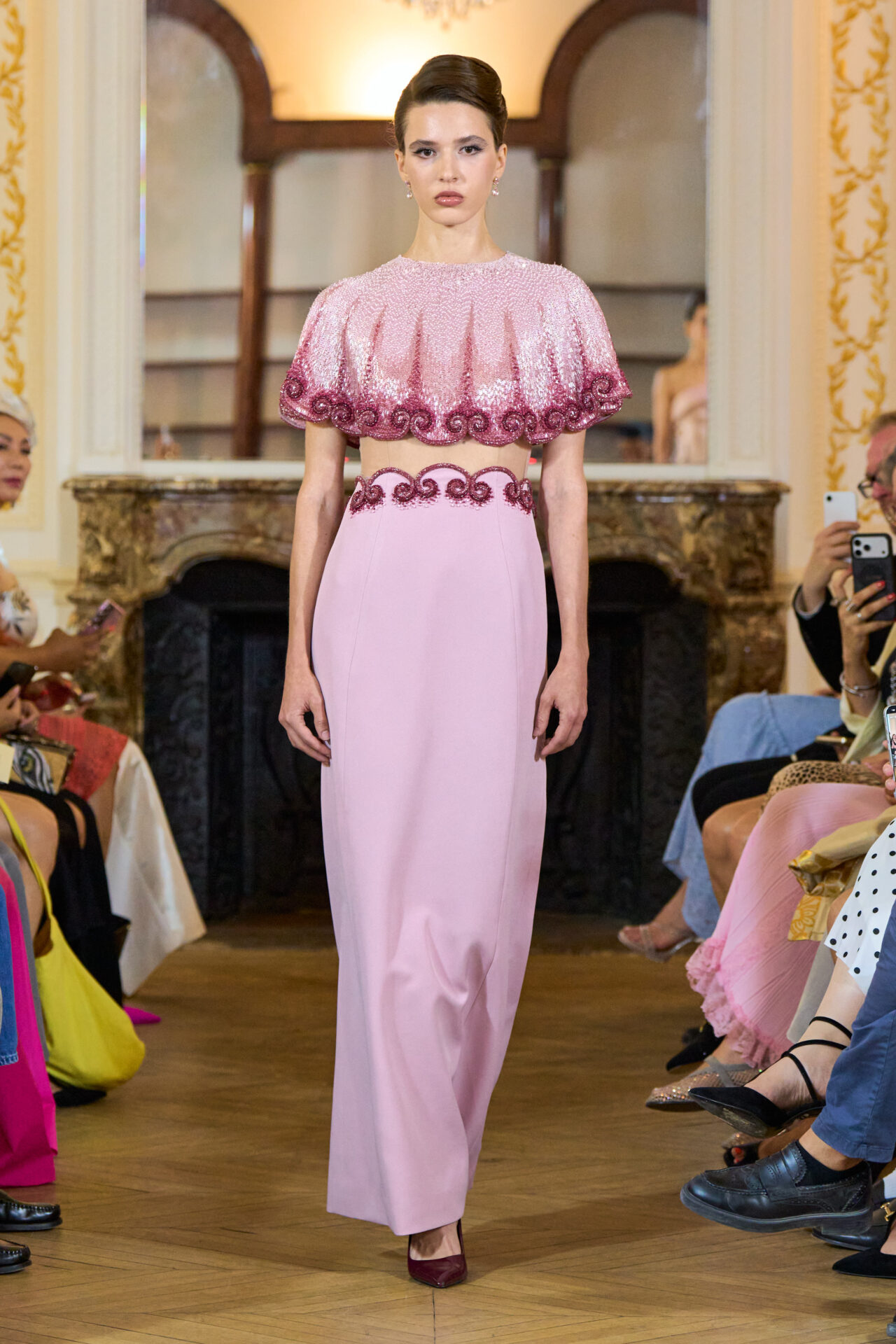
The collection did not reproduce architecture literally. Instead, it used architectural memory as the foundation for new silhouettes, proportions, and surface treatments, connecting regional cultural heritage with modern couture craftsmanship.
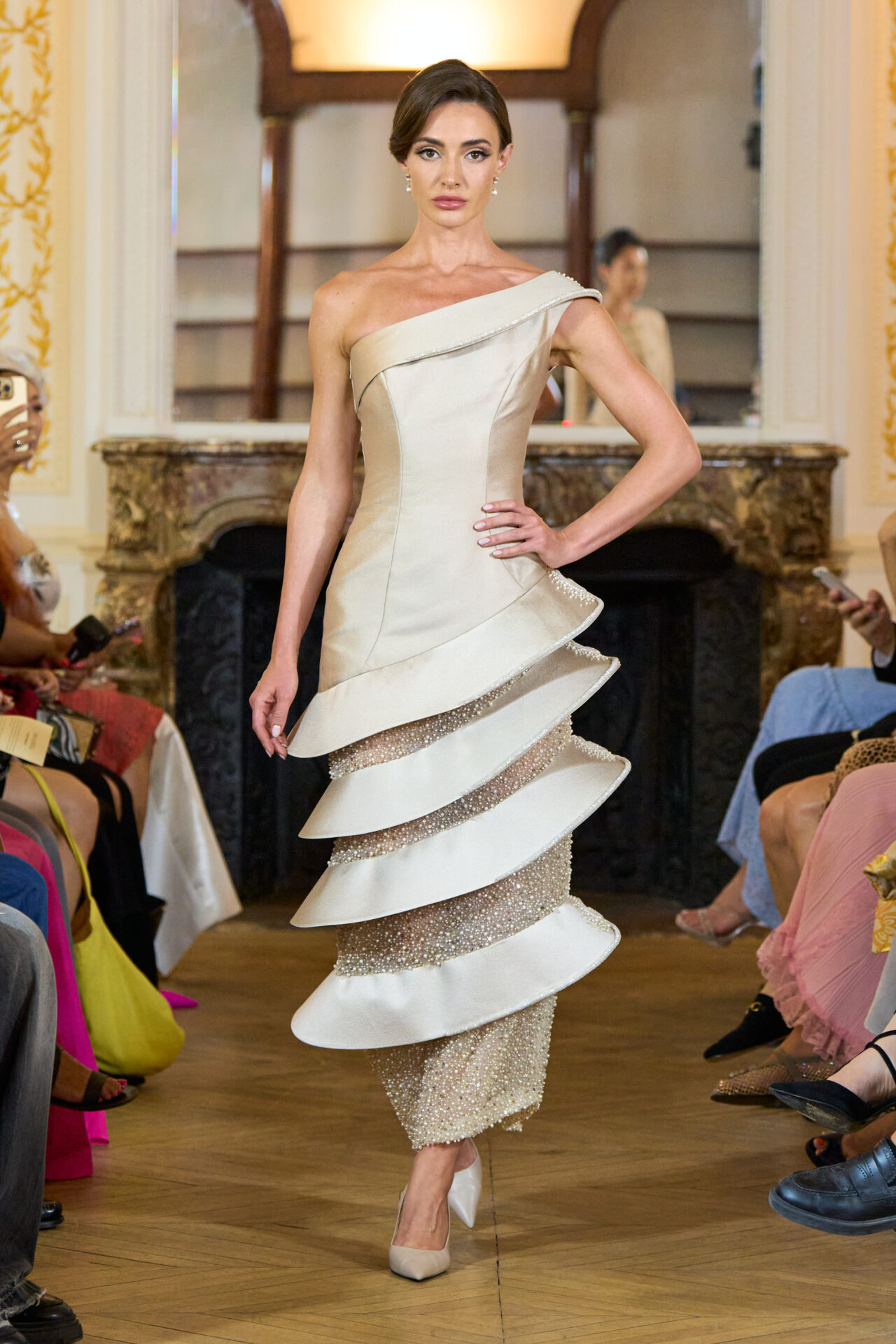
The presentation by TEMRAZA offered another perspective on Arab fashion’s international development. Through its Archive Collection, the Egyptian couture house demonstrated how a recognizable design identity can remain relevant across different seasons and cultural contexts.
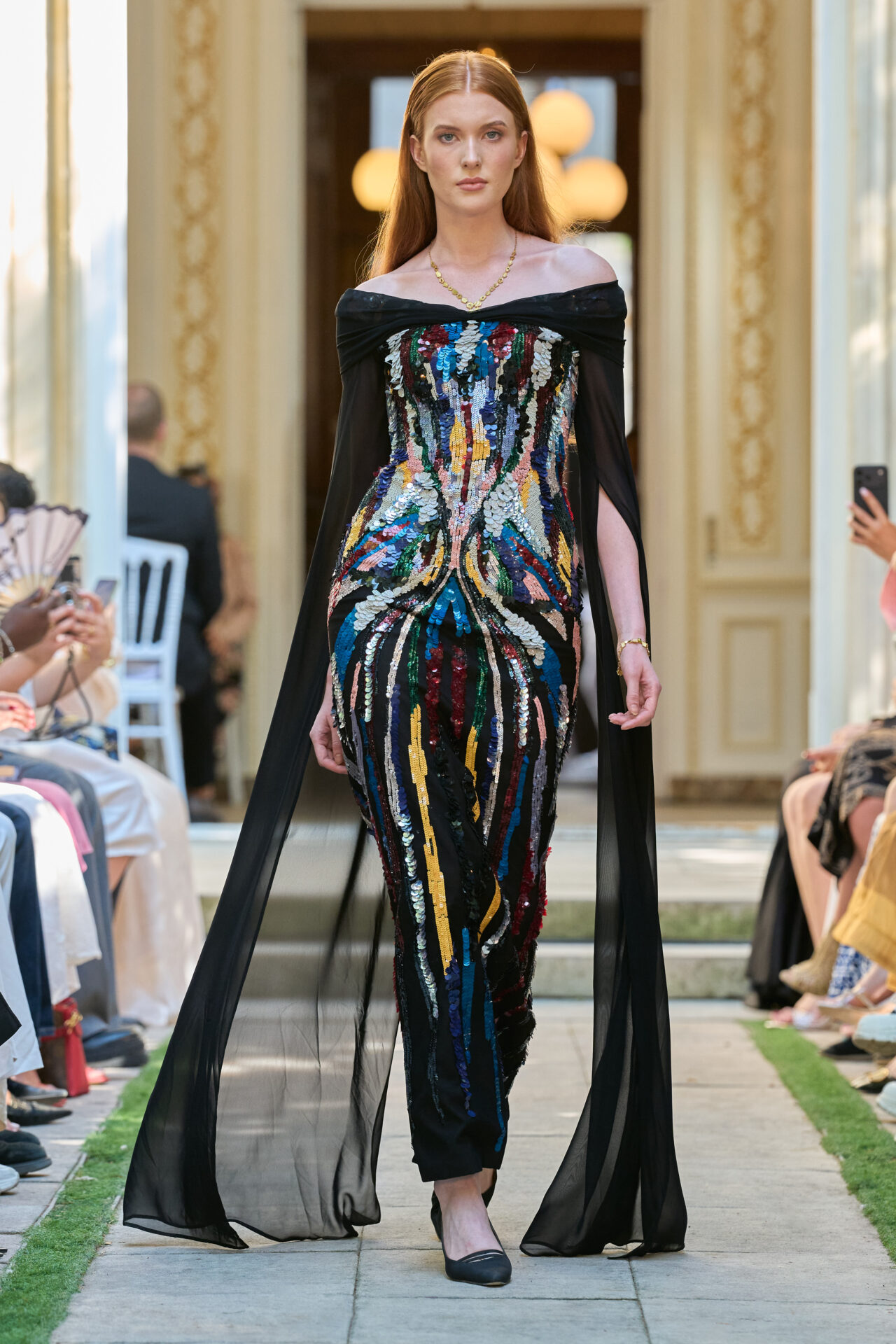
Together, the two presentations reflected a larger shift: Arab designers are no longer positioned simply as invited participants in Paris. They are actively contributing to the evolution of contemporary couture and expanding the cultural vocabulary of the international runway. In the same way that Gossip Stone recently examined why Fall 2026 couture made fashion feel strange, human, and useful again, the LAZIN program showed how cultural specificity can become couture’s strongest asset.
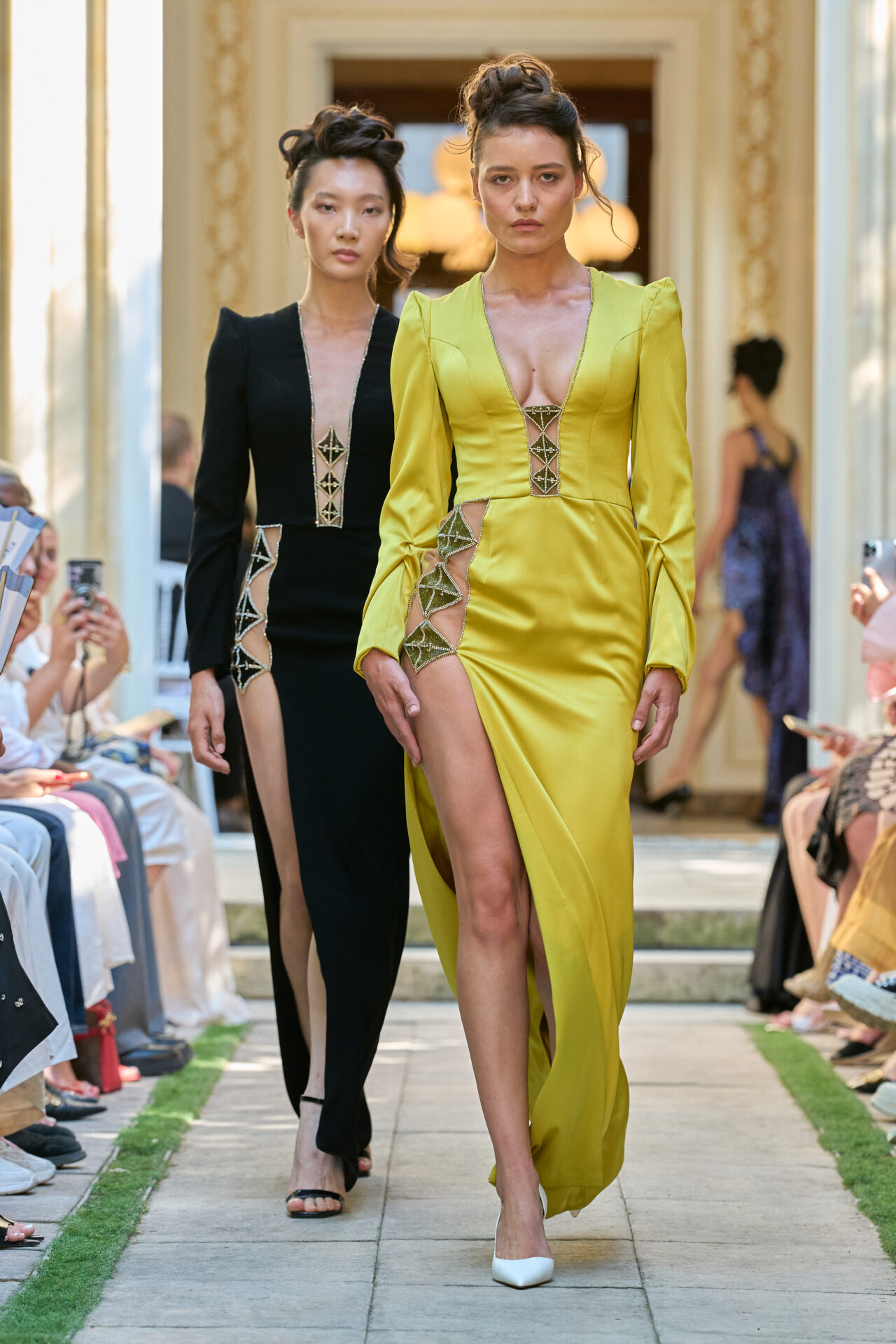
Hôtel Particulier Monceau becomes a meeting point for art and fashion
The program moved beyond the conventional boundaries of a fashion presentation through an international contemporary art exhibition curated by Anna Sashina. Rather than treating art as decoration surrounding the runway, the exhibition presented visual artists as equal participants in the cultural conversation. Their works explored transformation, memory, identity, place, and the relationship between personal experience and international culture.
Belgian-Polish contemporary artist Anita Staes, founder of Anitafication Art, presented expressive acrylic compositions combining poetic energy with physical texture. Her works incorporate materials such as crushed shells, sand, epoxy, and diamond dust, producing luminous surfaces inspired by nature, movement, and transformation.
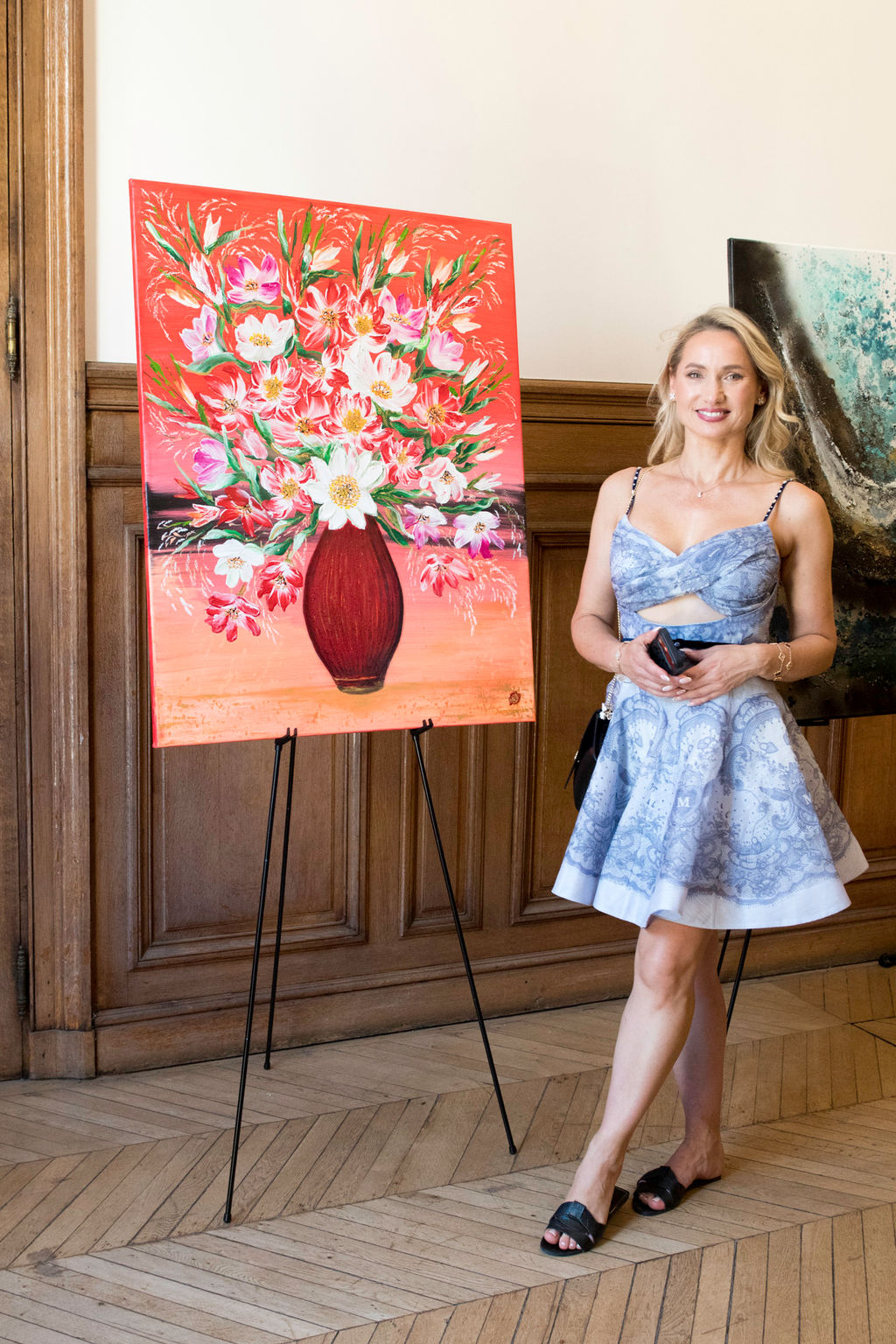
Staes’s work has been represented by international galleries including Saatchi Gallery in London, Andakulova Gallery in Dubai, Z7 Design & Art Gallery in Knokke, and Thomson Gallery in Zurich.
France-based artist Elen Sharafullina presented a practice shaped by visual art, international etiquette, and luxury hospitality. Her participation extended beyond the exhibition through the presentation of her new book, Etiquette on Board. The publication is devoted to yachting culture, appropriate conduct aboard private vessels, and the principles of yacht etiquette for owners and guests.
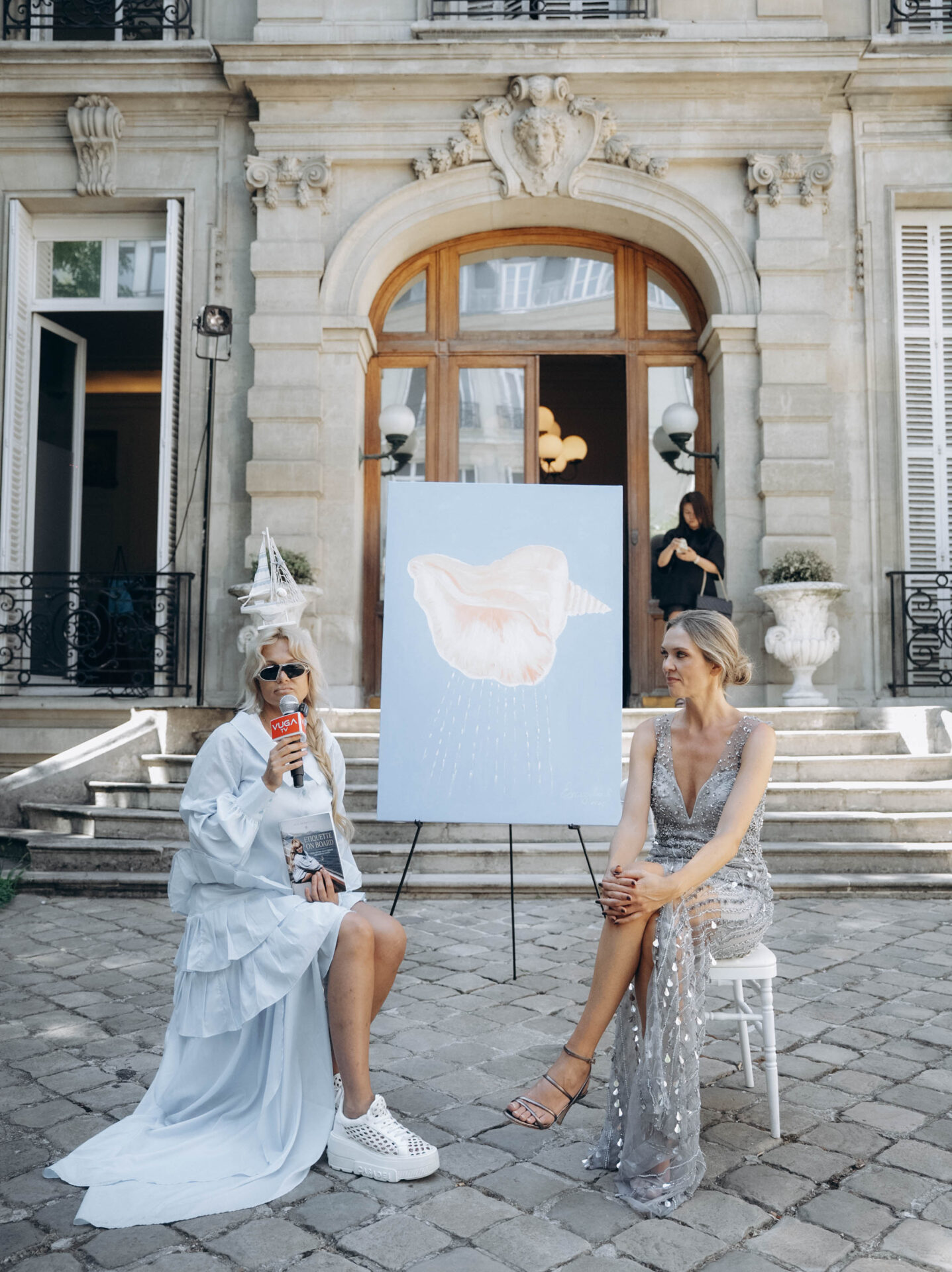
The book combines practical recommendations, contemporary international hospitality standards, and the author’s extensive experience in social and business etiquette. Its presentation created a connection between visual culture, literature, refined social traditions, and the international luxury industry.
The work of Jasmin Bakar Omar introduced the colors, architecture, and everyday life of Zanzibar into the Paris exhibition. Her paintings document cultural environments without becoming purely documentary. Historic doors, coastal landscapes, traditional boats, and figures from daily island life become part of a wider exploration of cultural continuity, independence, and freedom.
Photographer Anna Perevozchikova contributed a body of work developed through more than a decade of visual storytelling across more than sixty countries. Her photography occupies the space between documentary observation and personal interpretation. Rather than presenting travel as spectacle, her images focus on human presence, cultural encounters, and the emotional character of place.
Opera adds a live dimension to the exhibition
The official opening took place on July 8, 2026, at 14:00 and featured a special performance by internationally acclaimed baritone and international competition winner Alan Starovoitov.
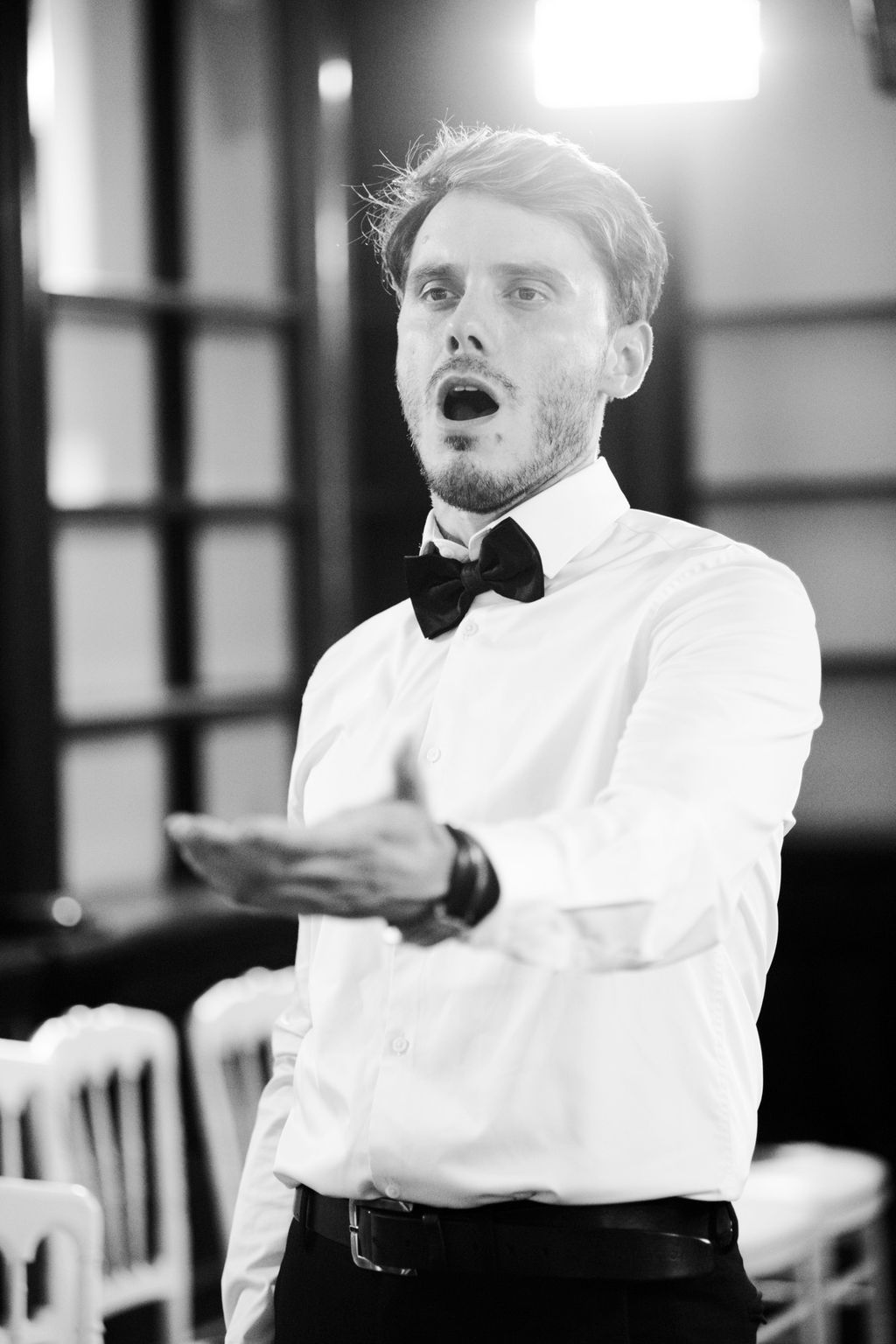
His live opera recital introduced a theatrical and emotional dimension to the program. Music did not operate as background entertainment; it became another independent artistic language within the exhibition. The performance connected the atmosphere of the historic Hôtel Particulier Monceau with the contemporary works on display, creating an experience shaped equally by sound, visual culture, and live presence.
A different model for Haute Couture Week
The event reflected a broader change in the structure of Paris Haute Couture Week. Runway shows remain central, but they increasingly coexist with art exhibitions, performances, award ceremonies, literary presentations, and international cultural programs. Fashion is no longer presented as an isolated discipline. It is becoming part of a larger creative system in which designers, artists, beauty professionals, musicians, writers, photographers, producers, and curators influence one another.
The Hôtel Particulier Monceau program brought these disciplines together without placing one above the others. Arab couture introduced new cultural and architectural references to the runway. Contemporary artists presented stories rooted in Belgium, France, Zanzibar, and international travel. A book presentation connected etiquette and luxury hospitality with literature and visual aesthetics. Opera transformed the exhibition into a live theatrical setting.
Paris Haute Couture Week 2026 therefore became more than a showcase of exceptional garments. It became a platform for cultural exchange, multidisciplinary collaboration, and new forms of professional recognition – demonstrating that the future of couture will be shaped not only by what appears on the runway, but by the international creative community built around it.