Sunny Isles Beach Fashion Week arrived with a debut that felt less like a test run and more like a statement. On May 29, 2026, the first edition of Sunny Isles Beach Fashion Week took over the ballroom at MIA Oceanfront, bringing designers, models, media, beauty teams, and South Florida creatives into one oceanfront room.
The project was positioned as a social and cultural fashion initiative rather than a purely commercial showcase. With official support from VUGA Foundation, the debut focused on giving emerging and independent designers a platform, while tying fashion back to community, art, and cross-cultural visibility.
Interest in the event was strong from the start. Organizers received more than 100 designer applications from across the United States, then narrowed the lineup through a curated selection process. By show night, more than 200 guests, over 60 models, and around 20 media representatives were part of the launch. In other words: for a first edition, Sunny Isles Beach Fashion Week did not arrive quietly.
A Runway Built Around New Names and Miami Energy
The evening opened with AKIMOTA, whose collection leaned into architectural forms, expressive silhouettes, and a modern sense of movement. The brand set a sharp tone for the night: polished, direct, and ready for an audience that wanted more than pretty clothes passing by.
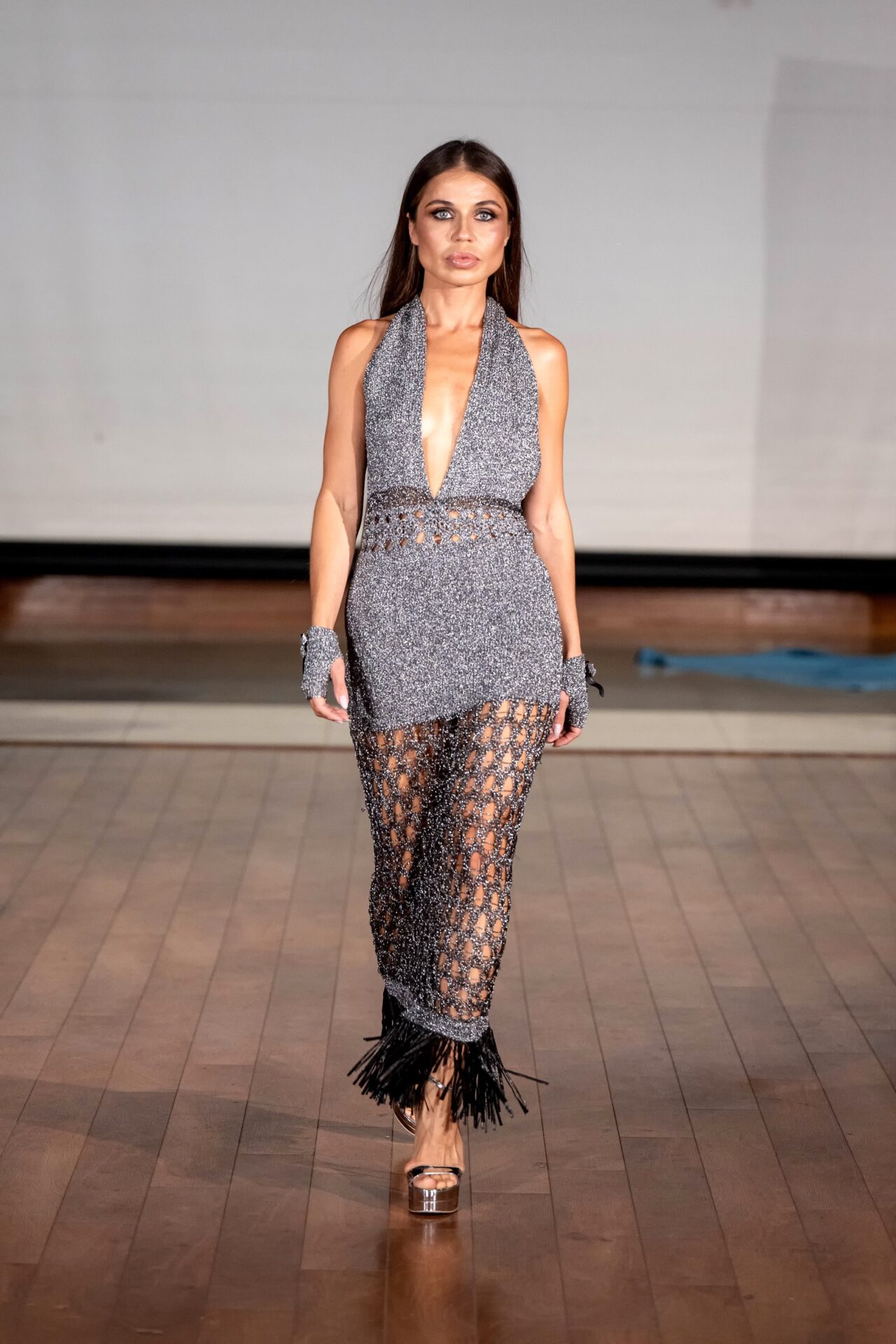
SKIBINA KNIT followed with premium knitwear that treated texture as the main event. The collection moved between everyday ease and evening polish, showing how knitwear can feel relaxed without losing structure.
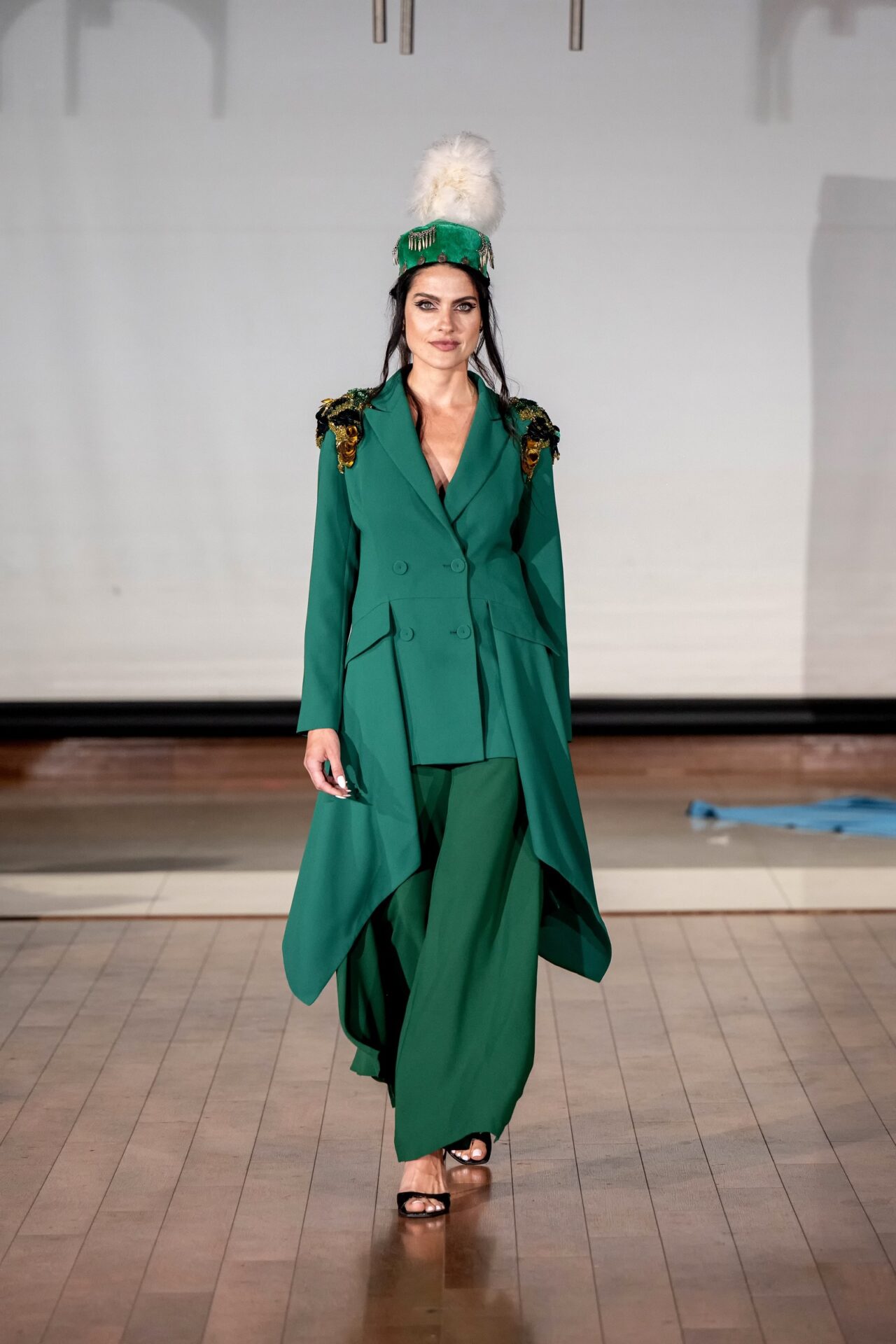
AYDANA OMAROVA COUTURE brought an international layer to the lineup. The Kazakhstan-rooted brand presented a couture collection shaped by feminine beauty, handmade artistry, and national cultural heritage, with complex construction and decorative detail doing much of the talking.
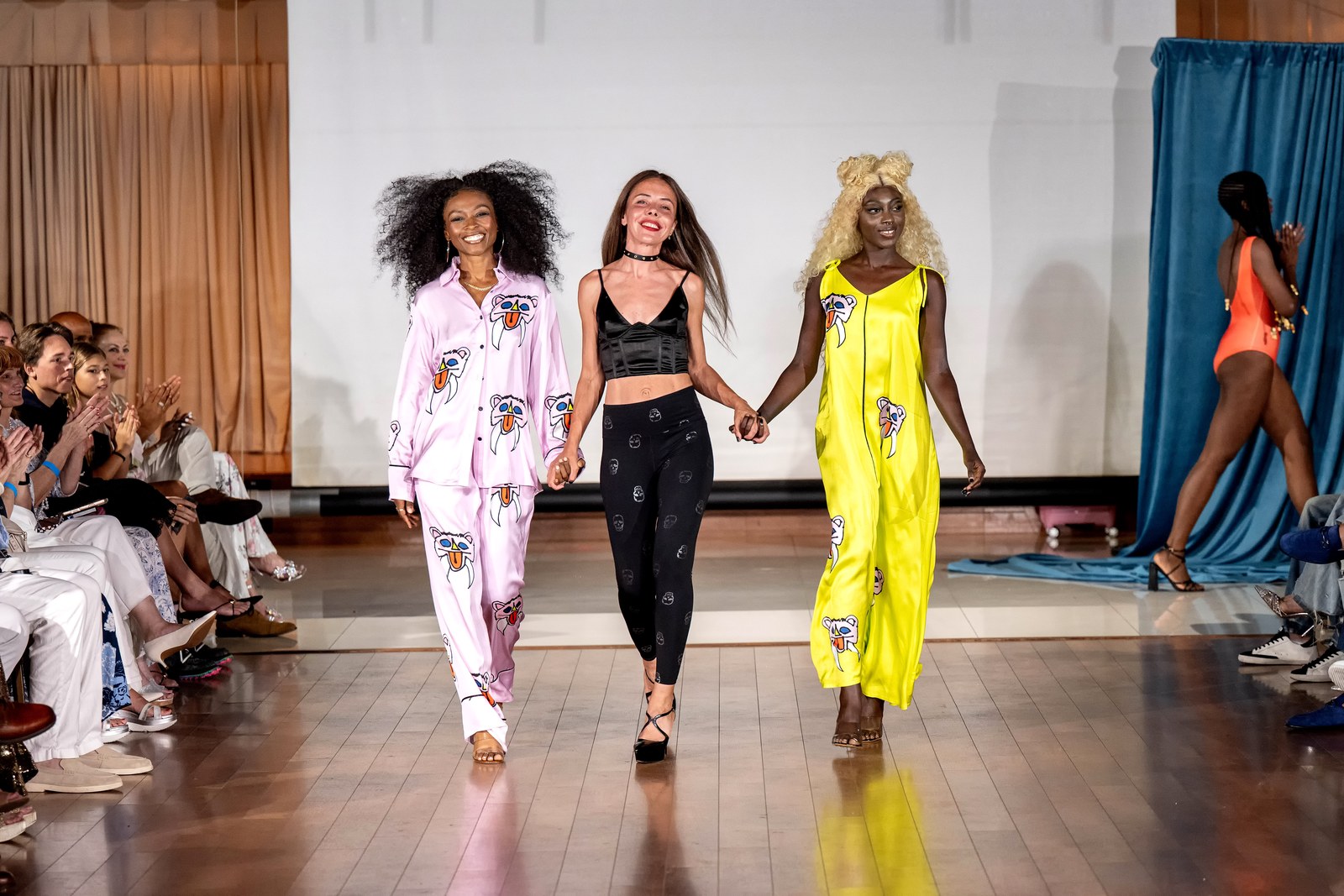
Levi Rosa, founded by designer Yuliia Volosovych, delivered one of the more emotionally specific stories of the evening. The brand is known for turning original drawings by children, Lev and Rosa, into signature prints, transforming family imagination into structured, wearable fashion.
Resortwear, Swimwear, and Couture All Shared the Same Room
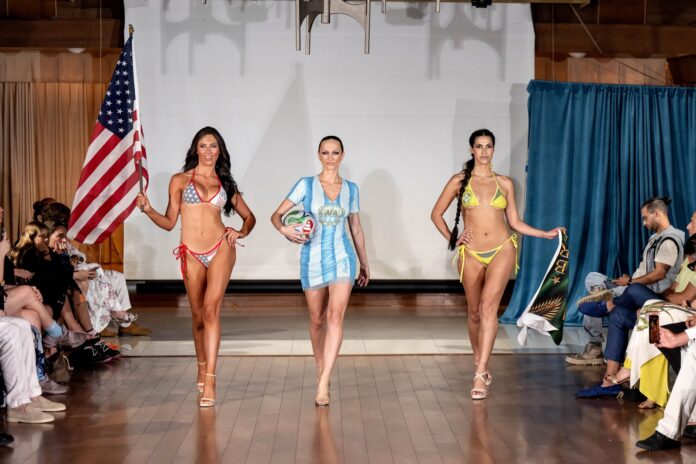
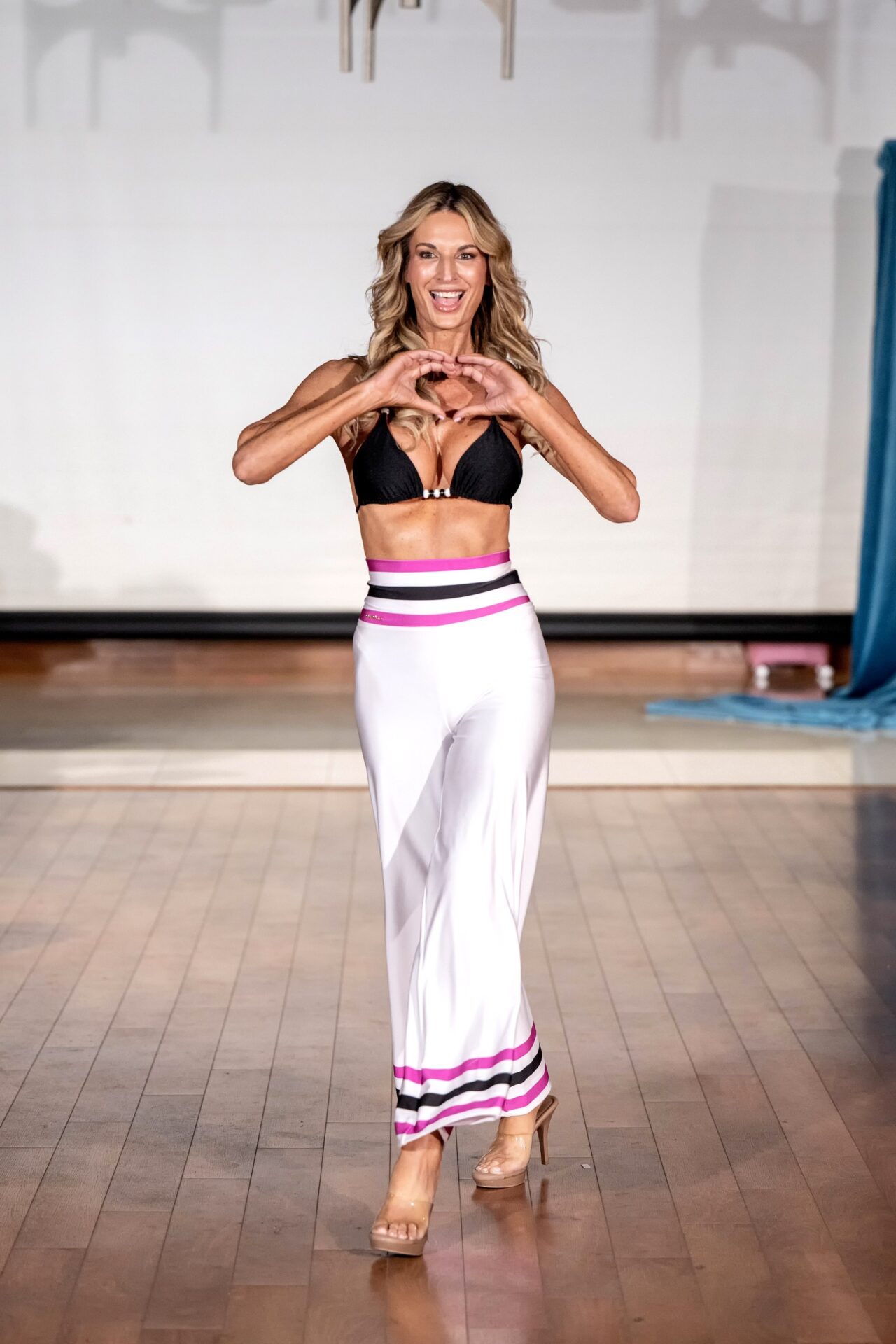
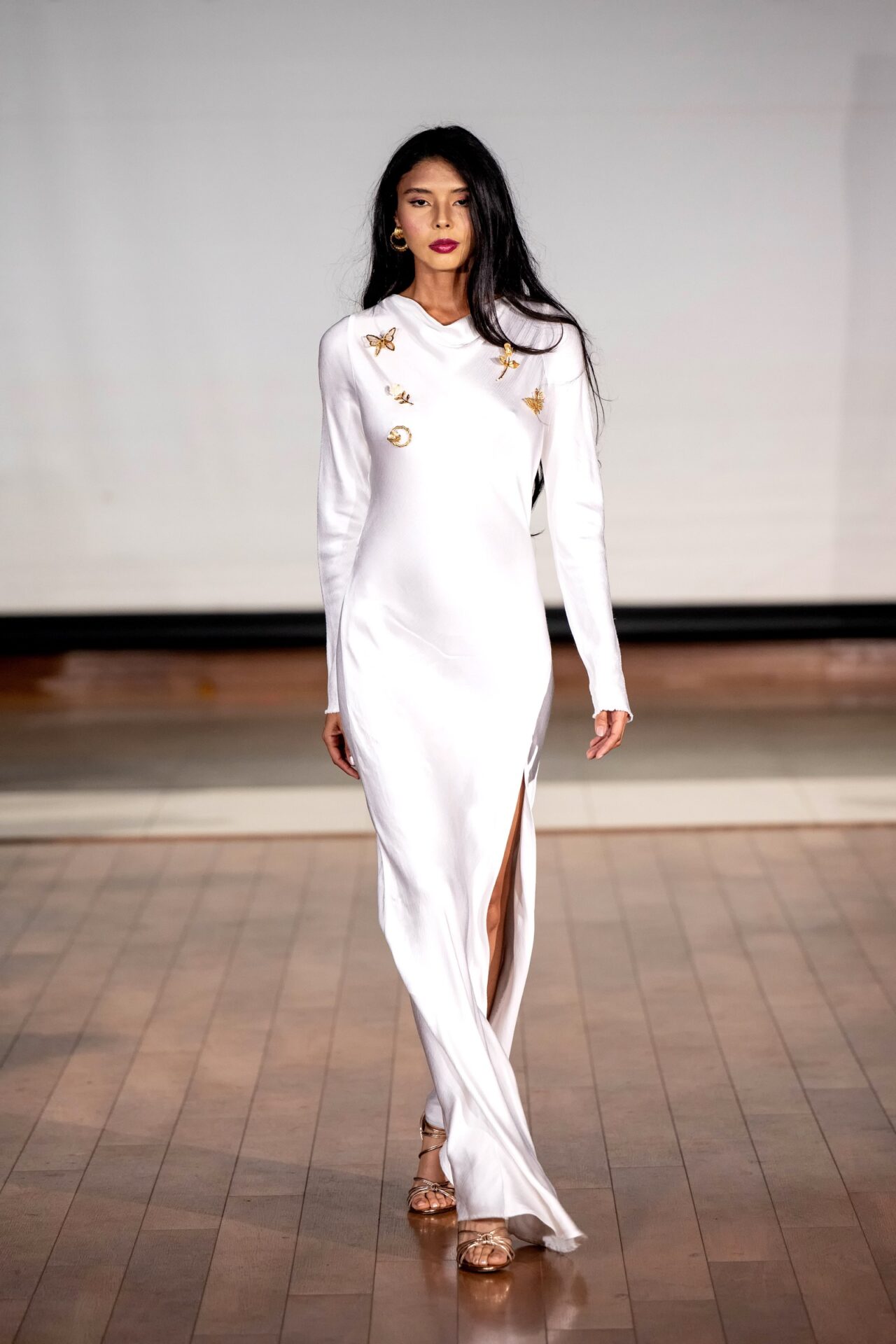
Because this was South Florida, resortwear and swimwear naturally had a strong voice. NIKOZA, the Miami luxury swimwear and resortwear brand founded by Olga Nikoza, presented pieces inspired by Florida coast life: confident silhouettes, original prints, dimensional orchid and butterfly embroidery, and a polished vacation wardrobe feeling.
CHANCELL ALLAIYA BY ALLAIYA RICH moved in a cleaner, more individualistic direction, putting elegance and personal presence at the center of the look. VEIL followed with fluid lines and a softer sense of feminine drama.
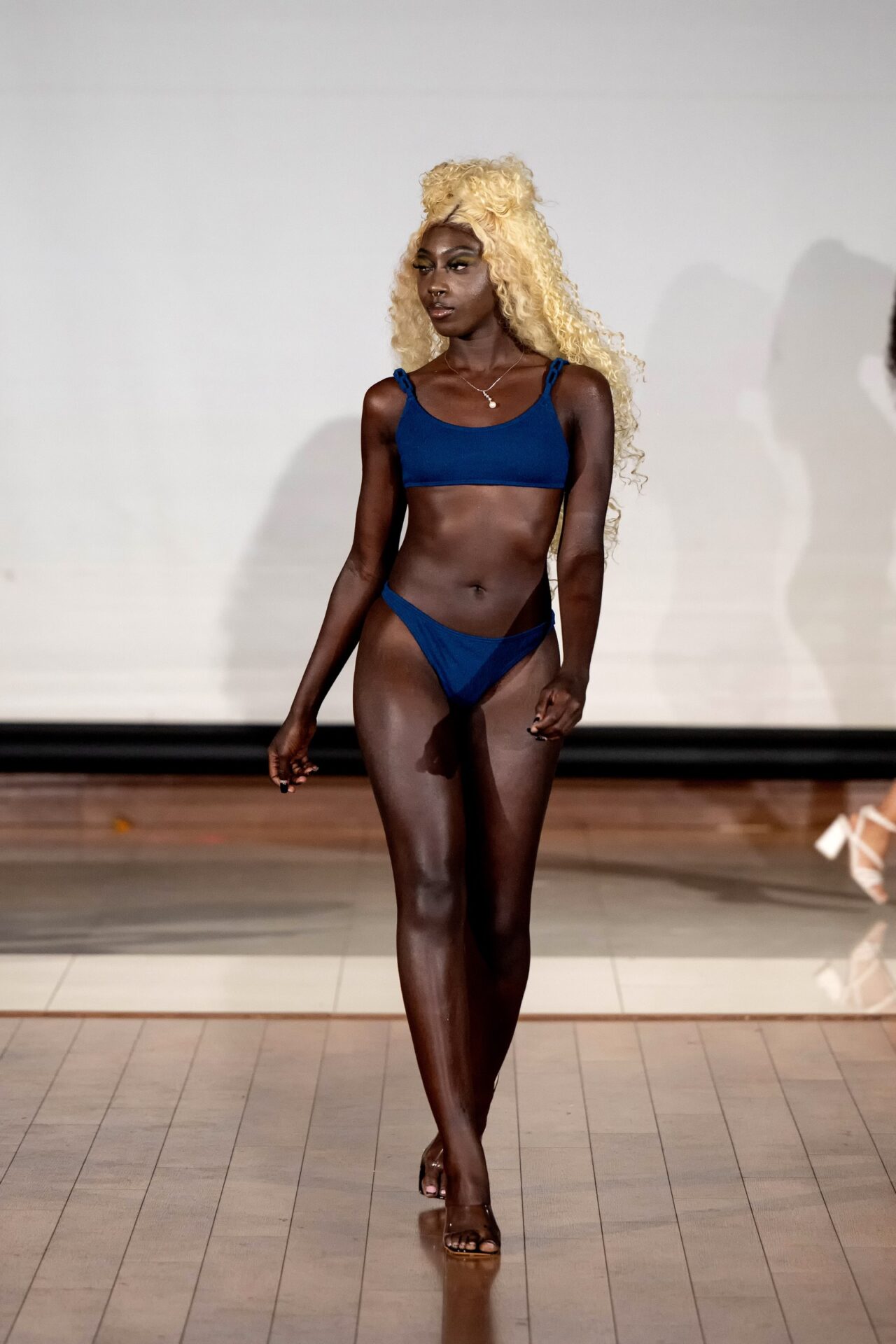
PASHUK BRAND, founded by designer Maria Pashuk, brought a bolder Miami luxury attitude to the runway. The brand’s language is built around strong feminine energy, striking silhouettes, and a confident visual identity that feels very much at home in a city where fashion often has to hold its own under bright lights.
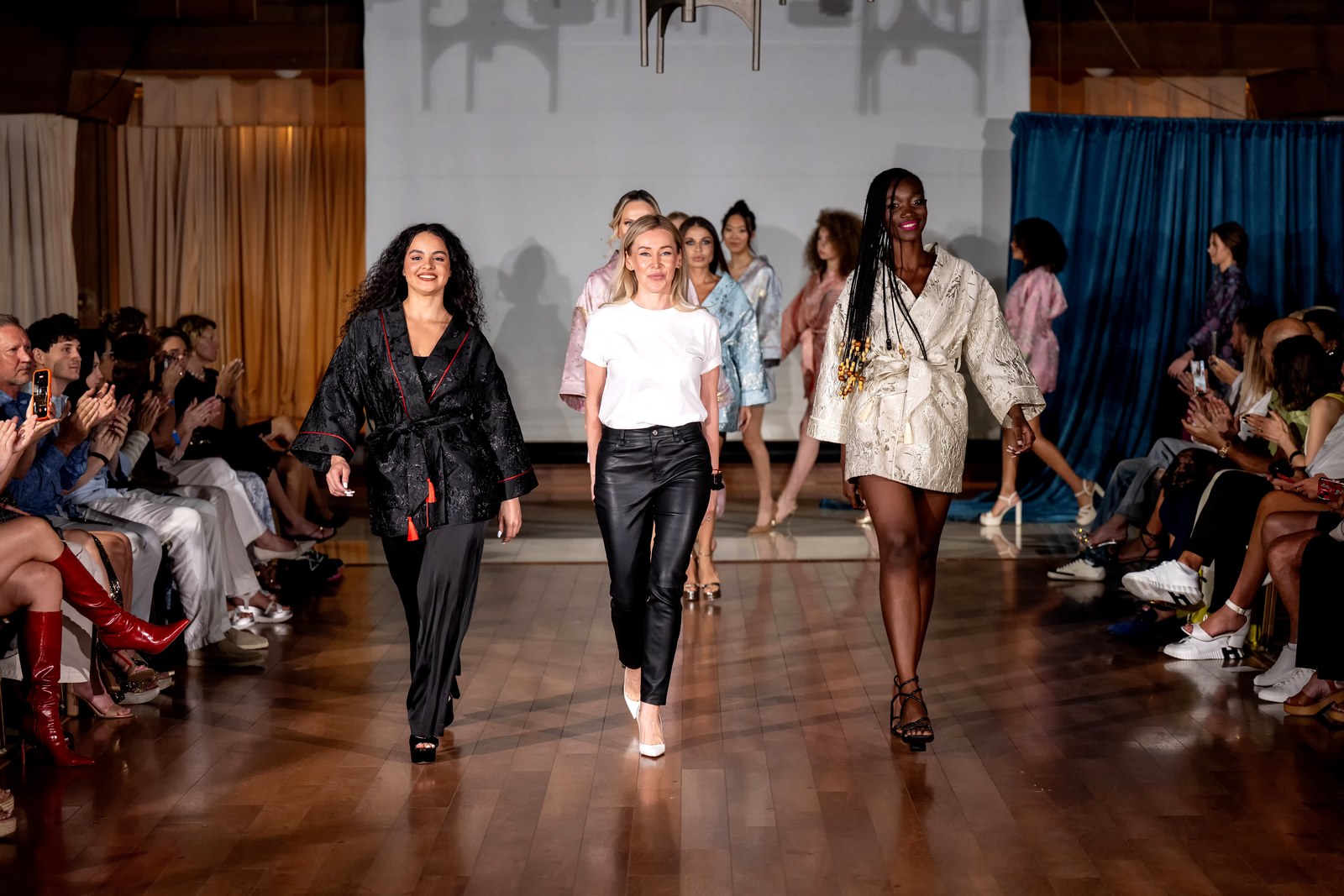
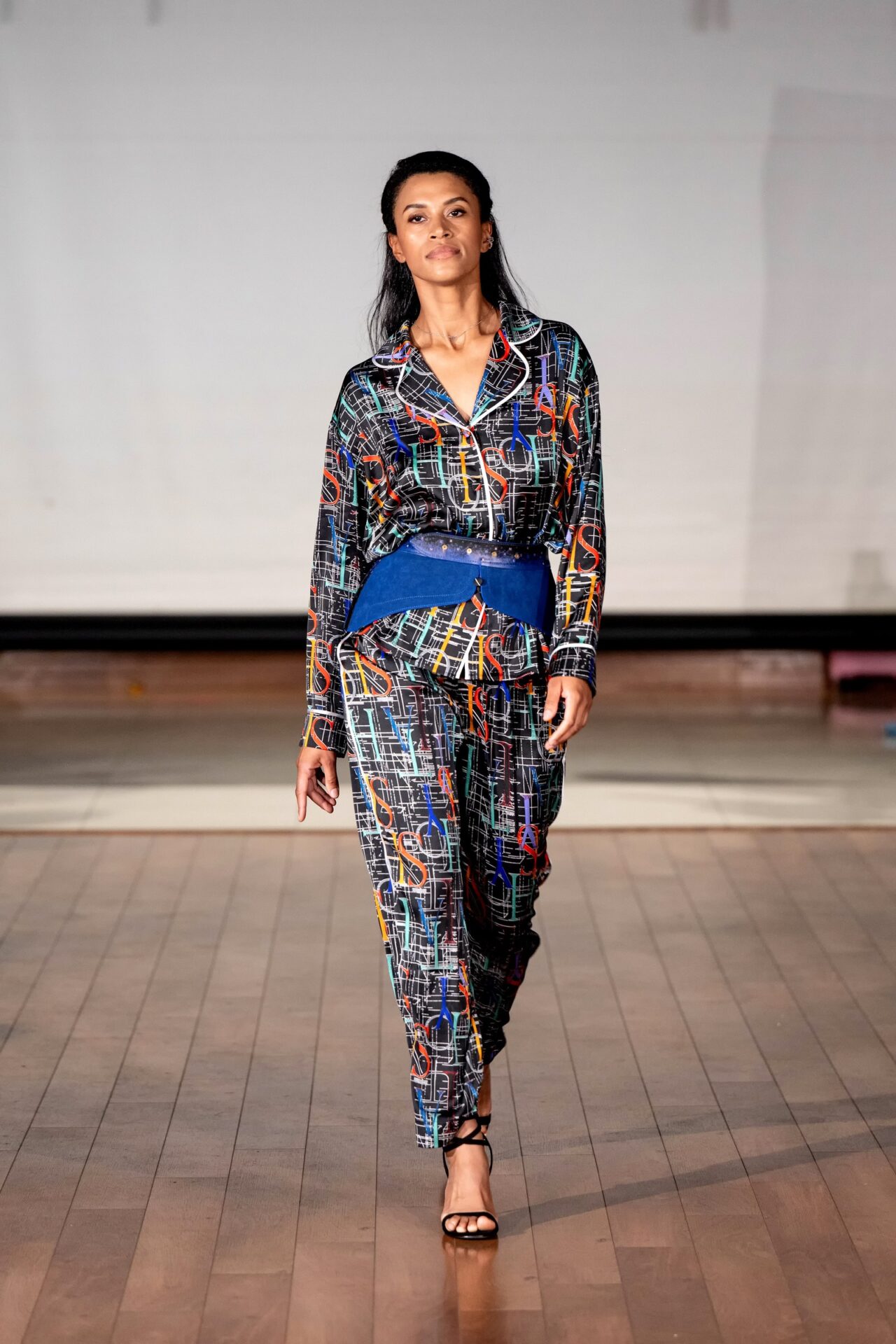
LA MAGNETIQUE, founded by Kateryna Frumina, added a premium, silk-minded mood. Known for slip dresses, pajama-style suits, and feminine modern luxury, the brand presented a collection about confidence and individuality, styled with leather basques by Hinkelman.
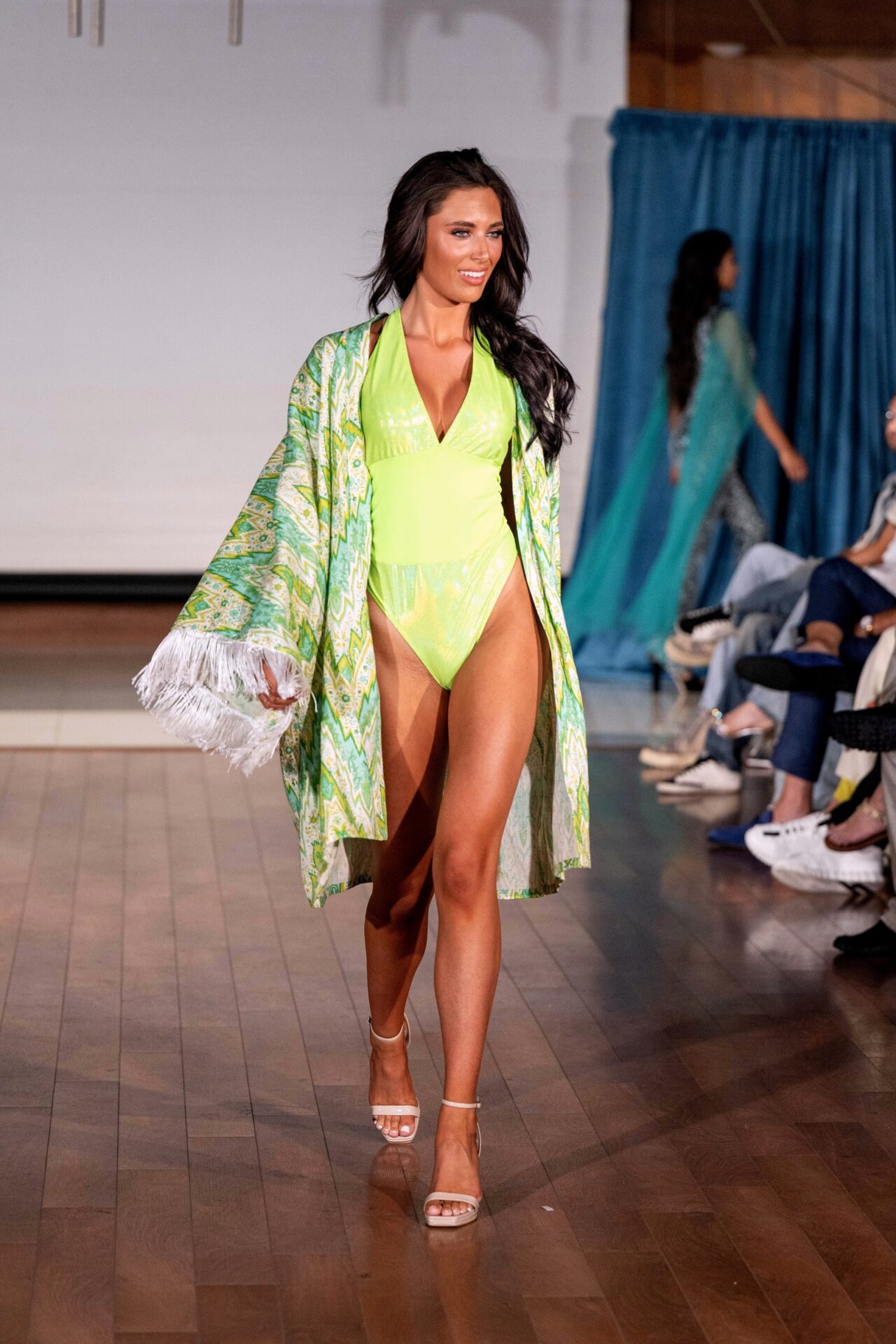
Baccio and Baccio Couture carried the glamour side of the evening. Baccio brought a vivid swimwear moment, while Baccio Couture, one of South Florida’s recognizable eveningwear names, leaned into gowns, femininity, and high-impact runway polish.
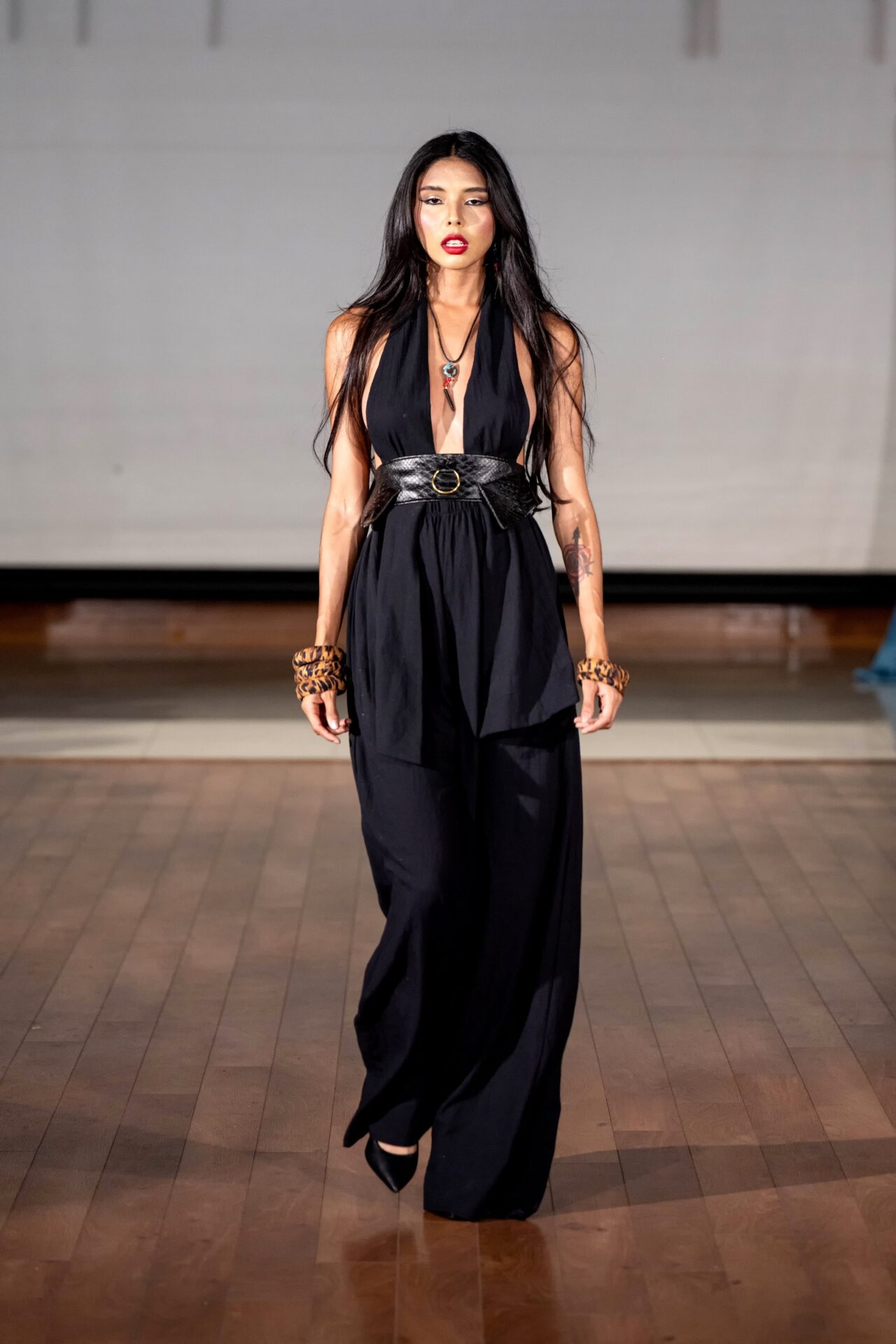
DrevelmaN Closed the Night With Couture Drama
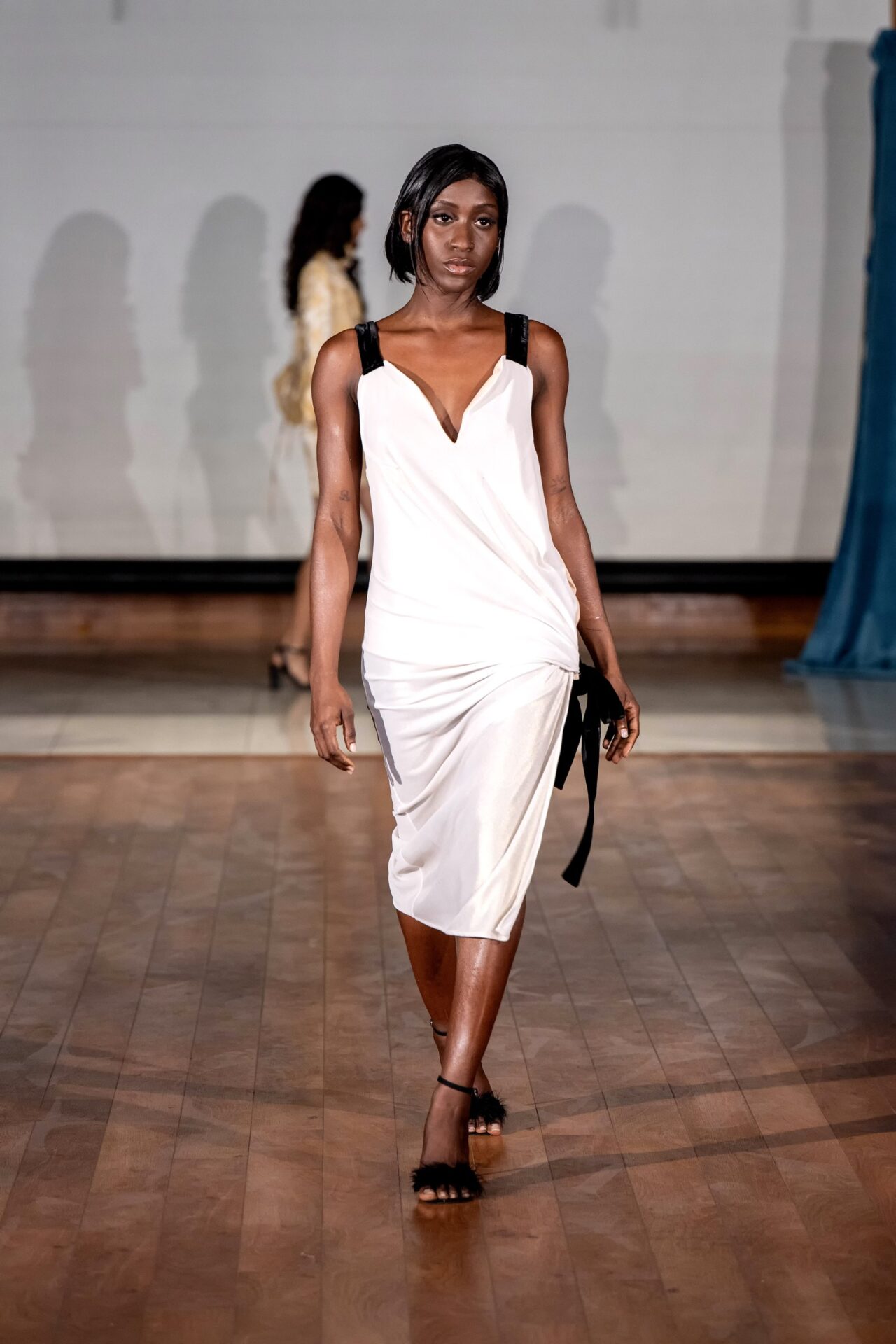
The headliner and closing designer was DrevelmaN Couture, the Miami-based luxury brand led by designer Artem Drevelman. The closing show gave the evening its most theatrical finish, with exclusive eveningwear, corset construction, natural silk, French lace, hand finishing, Swarovski crystal detail, and the brand’s recognizable floral structures.
DrevelmaN’s collection worked because it understood finale energy. The looks were dramatic without feeling random: sculptural, sensual, and clearly built around the idea that clothing can reveal strength as much as it decorates the body. Jewelry by Majorica and Livingforce Jewelry added pearl softness and custom metal accents to the collection’s more Victorian-inspired elements.
The Beauty Direction Kept the Runway Cohesive
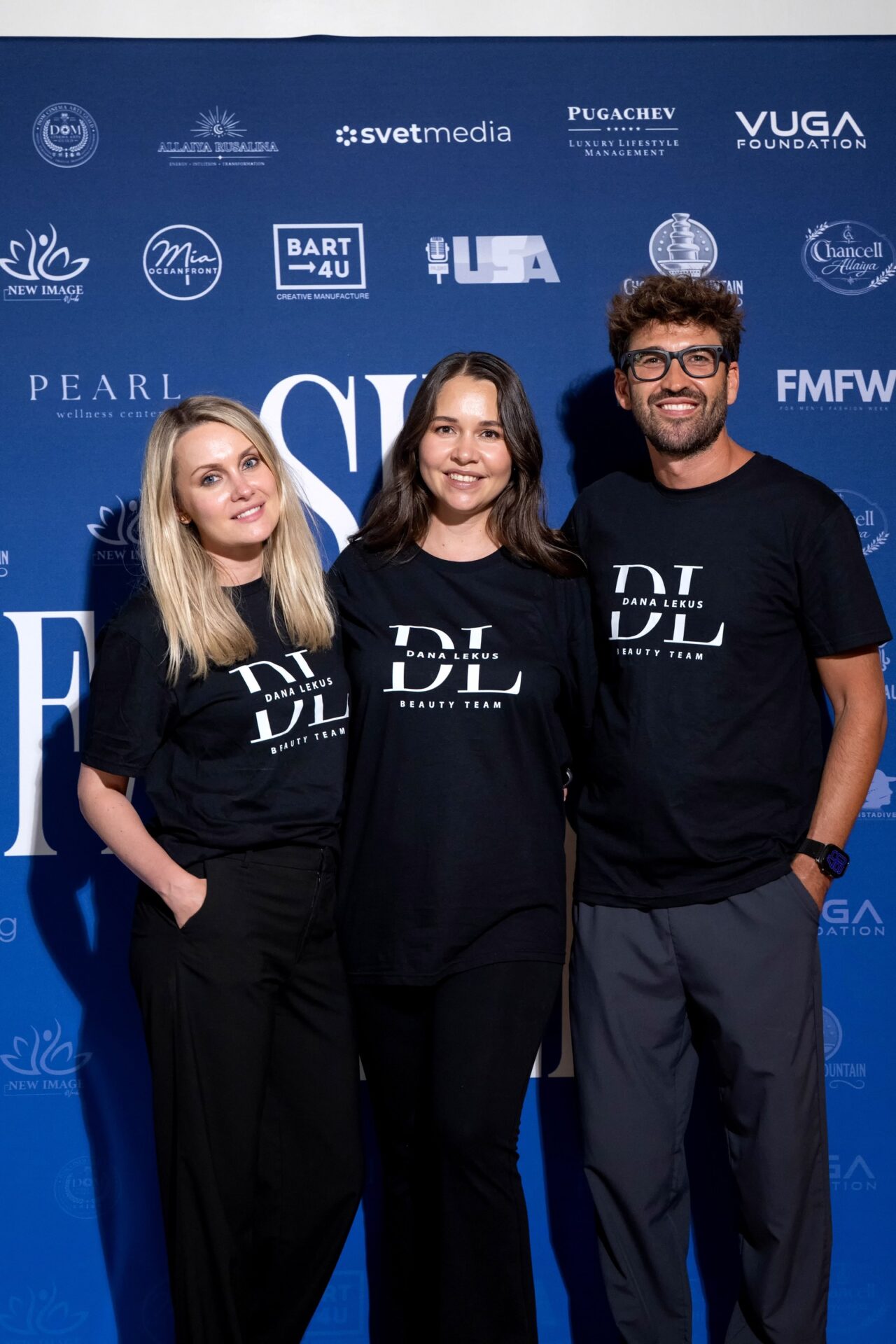
A major part of the show’s polish came from Dana Lekus and her DL Beauty Team, who shaped the beauty direction across the runway. Hair, makeup, and backstage execution mattered here, because the lineup moved from knitwear to couture to swimwear; without a strong beauty team, that kind of mixed-format evening can easily feel scattered.
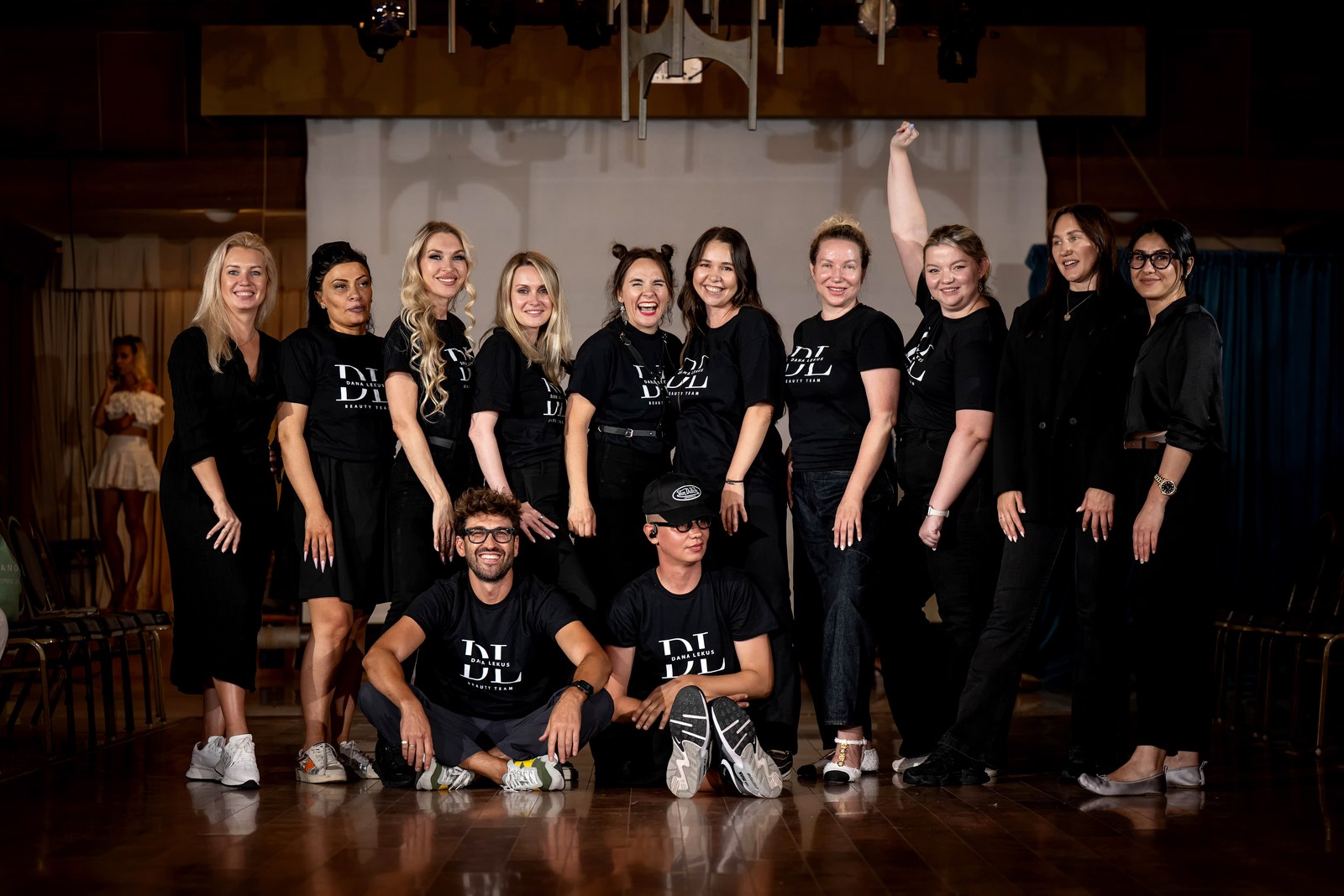
The broader beauty and hair team included Olena Sydorova, Yevhen Yevtushenko, Elena Grishina, Elena Zaborskaia, Elizaveta Zhuravleva, Filip Kostov, Evgeniia Korovkina, Kristina Moroz, Nadezhda Borges, Rusana Dudina, Lilia Gelashvili, and Yulia Konstantinova. Their work helped give the models a runway finish that matched the ambition of the event.
Why the Debut Matters
Sunny Isles Beach Fashion Week fits into a larger Miami fashion moment. The city is no longer just hosting isolated runway nights; it is building a dense calendar where swimwear, couture, menswear, art, and cultural programming overlap. That same momentum has been visible in recent Gossip Stone coverage of Florida Men’s Fashion Week, Miami Swim Week, and the expanding conversation around VUGA Foundation’s cultural initiatives.
The official photographer for the event was Stanislav Kozub, whose images captured both the runway and the atmosphere around it. Videography was directed by Alex.InstaDives through Fashion.Events.Productions, adding a media layer to a project clearly designed to live beyond one night in the ballroom.
Kateryna Mariien, an interdisciplinary artist working between contemporary art, fashion, and visual communication, also participated, reinforcing the event’s cultural mission. VUGA TV and Gossip Stone TV were among the media names connected to the project, keeping the focus on fashion, art, and the creative community rather than a conventional sponsor roll call.
The organizers have already announced plans to continue developing Sunny Isles Beach Fashion Week as an annual tradition. If the debut proved anything, it is that Sunny Isles Beach has room for a fashion platform with its own tone: local but international, polished but still growing, and close enough to Miami’s wider runway ecosystem to matter. The first edition gave the city a starting point. Now the interesting part is what it builds next.