
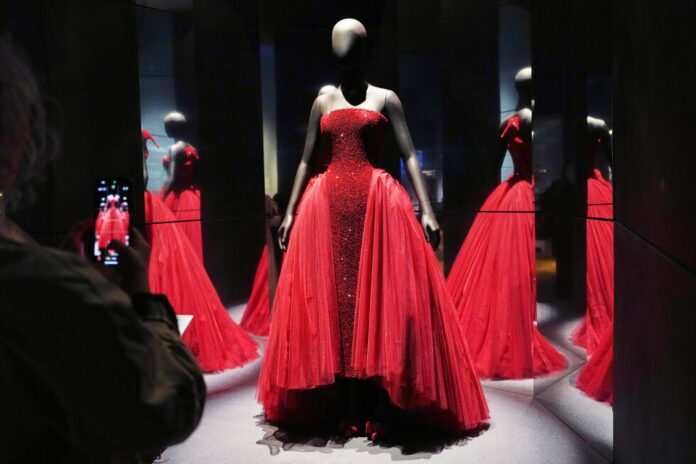
Schiaparelli has always understood the power of a single image: a lobster, a lock, an eye, a body turned into a joke that somehow becomes couture. The V&A’s 2026 Schiaparelli exhibition lands at exactly the right moment, because the fashion world is once again obsessed with clothes that behave like art and red-carpet looks that look built for museum lighting.
The museum’s official guide to what to know about Schiaparelli gives the historical frame, while AP’s exhibition coverage makes clear why the show feels bigger than an archive display. This is fashion history, yes, but it is also a reminder that surrealism has become one of celebrity style’s favorite languages.
Why Schiaparelli keeps coming back
Some fashion houses are known for polish. Schiaparelli is known for tension. The work can be funny, strange, elegant, aggressive, glamorous, or slightly absurd, sometimes all at once. That range is the reason the house still feels modern. It never asks whether a dress should be pretty before it asks whether it should be memorable.
That is also why Schiaparelli photographs so well now. A sculptural bodice, a gold body-part detail, an impossible black silhouette: these are clothes that do not need much explanation on a red carpet. The image lands first. The references come later.
The exhibition is really about fashion as a visual argument
The best museum fashion shows do not simply line up beautiful things behind glass. They explain why an idea mattered. Schiaparelli’s idea was that clothing could carry wit, provocation, art-world references, and bodily symbolism without losing its function as fashion. That still feels radical, even in a feed full of people trying to go viral.
It also connects to the larger culture calendar. Our Venice Biennale style guide and TEFAF New York coverage were both circling the same idea: fashion is often the easiest way into an art story. People may come for the outfit. Then they stay for the context.
What to look for inside
- Surrealist signatures: eyes, lips, locks, trompe l’oeil effects and body-part motifs.
- The tension between elegance and humor, which is where Schiaparelli is strongest.
- Modern red-carpet relevance: pieces and codes that explain why celebrities keep returning to the house.
- Craft details that make the “weird” ideas feel expensive rather than gimmicky.
There is also a practical reason exhibitions like this keep pulling fashion audiences into museums: they give context to the images people already know. A Schiaparelli dress on a celebrity can feel like a viral object; inside the V&A, the same visual language becomes part of a longer conversation about bodies, humor, surrealism, craft, and the strange pleasure of clothes that refuse to behave politely.
What to wear to the V&A show
This is not the exhibition for a lazy museum outfit. You do not need to cosplay Paris couture, but the look should feel intentional. Start with a clean base: a black dress, dark denim with a white tee, or tailored trousers with a tank. Add one strong structure, maybe a blazer or cropped jacket. Then choose one surreal detail and stop there.
A sculptural earring, a brooch, a strong red lip, an eye motif, a gold cuff: one is chic. Five is costume. The beauty should be polished but not overworked. Glossy skin, brushed brows, a precise lip. Schiaparelli rewards restraint only when the detail has teeth.
The Gossip Stone take
The reason this exhibition matters now is simple: fashion audiences are hungry for clothes that mean something without needing a dissertation. Schiaparelli offers exactly that. The work is visual, symbolic, strange, and instantly readable. In 2026, that is not just museum history. That is the whole red-carpet economy.
Related: Cannes 2026 opening night; MFAH Berggruen show.